What to Expect After Inguinal Hernia Repair: Week-by-Week Healing Guide

Recovering from an inguinal hernia surgery is often filled with questions that go beyond the operation itself. Most patients are not worried about the procedure alone. They want to know how soon they can walk normally, when the pain will go away, and how quickly life will return to normal.

If you are preparing for surgery or have recently undergone one, understanding the recovery process can make a big difference. This guide is written from real patient experiences and clinical insights followed by Dr Kumar hernia surgeon at Billroth Hospital, with a strong focus on laparoscopic and robotic surgery for faster healing and better comfort.

After Inguinal Hernia Repair

What Is an Inguinal Hernia and Why Is Surgery Needed

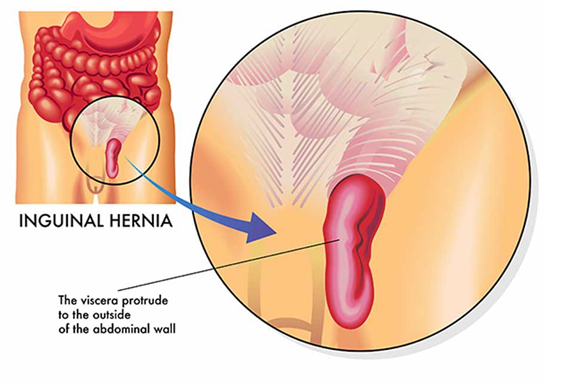
An inguinal hernia happens when a portion of tissue or intestine pushes through a weak area in the lower abdominal wall, usually near the groin. It often appears as a visible bulge in the Groin that may increase when you cough, bend, or lift something heavy.

In children, parents frequently search for the causes of inguinal hernia in child. In most such cases, it is present from birth due to incomplete closure of the abdominal wall. In adults, common causes include strain from heavy lifting, obesity, chronic coughing, or even long-term constipation.

Unlike some other conditions, hernias do not heal on their own. Surgery is the only effective and permanent solution. The good news is that with modern surgical techniques, recovery is much smoother than what patients expect.

Surgical Options That Influence Recovery

Before understanding recovery, it is important to know that the method of surgery plays a major role in how quickly you heal.

Laparoscopic Surgery

This minimally invasive technique involves small cuts and the use of a camera. Patients experience less pain and recover faster. Dr Kumar Inguinal hernia specialist, often recommends this for suitable cases because of its quicker healing time.

Robotic Surgery

Robotic surgery is an advanced form of laparoscopic surgery. It allows better precision and control, especially in complex or recurrent hernias. Many patients treated by Dr Kumar hernia surgeon benefit from reduced tissue damage and smoother recovery through this approach.

Open Surgery

Open surgery involves a larger incision. While it is still necessary in certain situations, it usually comes with a slightly longer recovery period.

If you are researching inguinal hernia surgery cost, keep in mind that the surgical approach, hospital stay, and complexity of the case can all influence the overall expense.

Week-by-Week Recovery Timeline

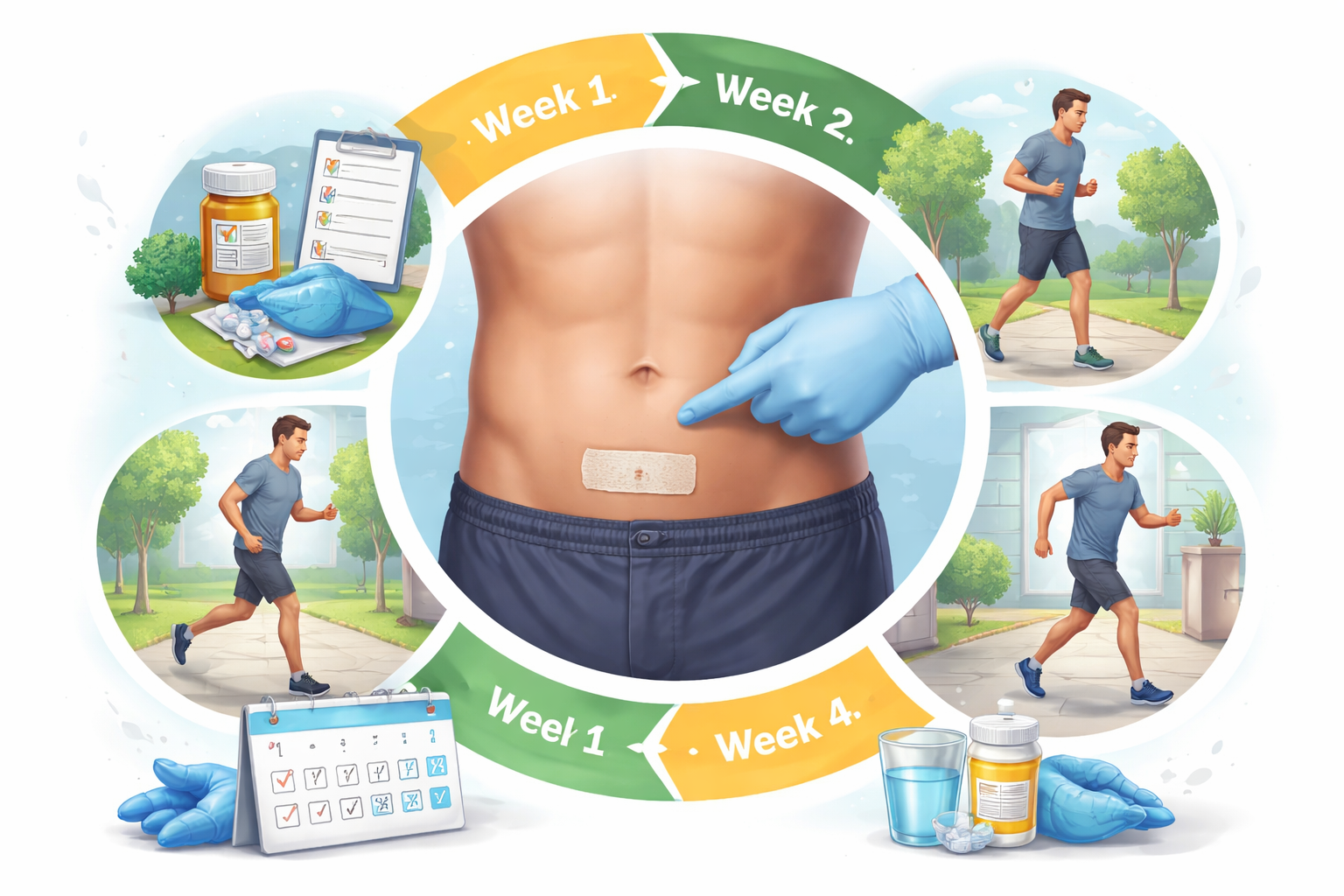
Each patient heals at a slightly different pace, but this week-by-week breakdown gives a realistic picture of what most people experience after surgery.

Week 1: Immediate Recovery Phase

The first few days after surgery are all about rest and careful movement. You may feel:

>> Mild to moderate pain around the surgical site

>> Tightness or pulling sensation in the groin

>> Slight swelling or bruising

Patients who undergo laparoscopic or robotic surgery with Dr Kumar hernia surgeon usually report less discomfort compared to those who have open surgery.

What helps during this stage:

>> Taking prescribed pain medication on time

>> Walking short distances inside your home

>> Supporting the abdomen while coughing or sneezing

Many patients worry whether a larger hernia means more pain. Questions about inguinal hernia size for surgery are common, but with modern techniques, even larger hernias can be repaired with manageable discomfort.

Week 2: Gradual Improvement

By the second week, you will notice visible progress. Changes you may experience:

>> Pain reduces significantly

>> Movement becomes easier

>> Energy levels start improving

At this stage, patients begin to feel more independent. However, it is important not to rush into heavy activities.

What you should focus on:

>> Light walking to improve circulation

>> Avoiding lifting heavy objects

>> Maintaining proper hygiene around the incision area

>> Resume desk work or light professional duties

>> Car driving start distance

If you initially searched for an inguinal hernia surgeon near me, this is the time when follow-up visits play a key role. A skilled surgeon like Dr Kumar hernia specialist ensures that healing is progressing without complications.

Week 3: Getting Back to Routine

This is the phase where most patients feel a sense of normalcy returning. You may be able to:

>> Have normal diet

>> Walk longer distances without discomfort

>> Sleep without interruption

>> Regular executive work

Patients treated with robotic or laparoscopic techniques by Dr Kumar hernia surgeon often find themselves more comfortable during this stage compared to traditional recovery timelines.

Even though you feel better, internal healing is still ongoing. Avoid:

>>Heavy lifting

>>Sudden bending or twisting

>>Strenuous physical activities

Week 4: Building Strength

By the fourth week, the body has healed significantly on the outside, but internal tissues are still strengthening.

At this point:

>>The surgical wound looks almost normal

>>Pain is minimal or completely gone

>>Daily routines become easier

This is a good time to slowly increase your level of activity. Recommended actions:

>> Gradual increase in walking distance

>> Light stretching if approved by your doctor

>> Returning to driving two wheelers if comfortable at end of four weeks

Patients often feel tempted to return to full activity at this stage. However, guidance from Dr Kumar hernia specialist is crucial to avoid setbacks.

Week 5 to Week 6: Near Full Recovery

This is where most patients feel like themselves again. You may:

>> Resume moderate exercise

>> Return to most daily activities

>> Feel confident in movement

Those who undergo laparoscopic or robotic procedures usually reach this stage faster and with fewer complications.

Dr Kumar hernia surgeon typically advises patients to reintroduce physical activity gradually rather than jumping straight into intense workouts.

Tips for a Smooth Recovery

A successful recovery is not just about time. It depends on how well you follow post-surgery care.

Here are some practical tips:

>> Stay active with light walking

>> Avoid constipation by maintaining a healthy diet

>> Drink plenty of water

>> Follow your doctor’s advice strictly

Patients who follow these steps under the guidance of Dr Kumar hernia surgeon often experience smoother healing and better long-term results.

Common Questions Patients Ask

How long does pain last after surgery?

Pain usually reduces significantly within the ten days and continues to improve thereafter.

When can I return to work?

Most patients can return to desk jobs within 10 days. Physically demanding jobs may require more time.

Is recurrence common?

Recurrence is rare when surgery is performed by an experienced Hernia surgeon like Dr Kumar hernia specialist and proper precautions are followed.

Why Choosing the Right Surgeon Matters

Many patients searching for an inguinal hernia surgeon near me often focus on location alone. However, expertise and experience are far more important.

Choosing the best inguinal hernia surgeon like Dr Kumar ensures:

>> Accurate diagnosis

>> Advanced surgical techniques

>> Faster recovery

>> Lower risk of complications

Dr Kumar hernia surgeon at Billroth Hospital is known for his expertise in laparoscopic and robotic hernia repair. His approach focuses on precision, patient comfort, and long-term success.

A Patient-Centered Approach to Hernia Care

What sets a specialist apart is not just surgical skill but also patient care.

Dr Kumar hernia specialist believes in:

>> Explaining the condition clearly to patients

>> Offering the most suitable surgical option

>> Supporting patients throughout recovery

This approach helps patients feel confident and informed at every stage of their journey.

Final Thoughts

Recovering from an inguinal hernia surgery does not have to be stressful or confusing. When you understand what to expect week by week, the entire process becomes easier to manage.

From the initial days of rest to the gradual return to normal life, every stage of recovery has its own importance. The key lies in following the right guidance and choosing an experienced surgeon.

If you are planning your surgery or looking for expert care, consulting Dr Kumar hernia surgeon can make a meaningful difference. With advanced laparoscopic and robotic techniques, recovery becomes smoother, faster, and far more comfortable than most patients expect.

FAQs

How long does it take to recover from inguinal hernia surgery?

Most patients recover within 3 to 4 weeks. Those undergoing laparoscopic or robotic procedures with Dr Kumar hernia surgeon often heal faster with less discomfort.

What activities should I avoid after inguinal hernia surgery?

Avoid heavy lifting, strenuous exercise, and sudden movements for at least 4 weeks. Gradual activity is advised for safe healing.

Is laparoscopic or robotic surgery better for inguinal hernia?

Both are advanced techniques. Laparoscopic and robotic surgeries offer faster recovery and less pain compared to open surgery. Dr Kumar hernia specialist, often recommends these methods based on patient needs.

What are the causes of inguinal hernia in child?

In children, an inguinal hernia is usually congenital. It occurs when the abdominal wall fails to close properly before birth.

How do I choose the best inguinal hernia surgeon?

Look for experience, specialization in laparoscopic and robotic techniques, and patient outcomes. Consulting Dr Kumar hernia surgeon, ensures expert care and smoother recovery.

When can I get back to work?

Normally a week to ten days, you can get back to work.

When can I climb stairs?

Seven days to ten days

Inguinal Hernia Recovery: Dr. Kumar’s Advice for Less Pain and Faster Healing

Hernia surgery often raises many questions in a patient’s mind. How long will the recovery take? Will there be pain? When can normal life resume? These concerns are completely natural. Patients who undergo hernia repair want reassurance that they are making the right decision and that recovery will be smooth.

WithDr Kumar– Billroth Hospital ,the Best Inguinal Hernia Surgeon,in Chennai, patients frequently ask these questions before surgery.The most important part of treatment is not only performing the surgery correctly but also guiding the patient through a safe and comfortable recovery.

Inguinal hernia repair has advanced significantly in recent years. Modern techniques such as laparoscopic and robotic surgery have transformed the experience for patients. These minimally invasive procedures often result in smaller incisions, less pain, and faster healing compared to traditional open surgery.

In this guide, Dr. Kumar shares practical insights that help patients reduce discomfort and heal faster after surgery.

Understanding Inguinal Hernia

An inguinal hernia occurs when tissue pushes through a weak spot in the abdominal muscles in the groin area. It often appears as a small bulge that may increase while coughing, lifting, or standing for long periods.

Many patients live with this condition for years before seeking treatment. Over time, the bulge may grow and discomfort can increase. Surgery remains the most effective solution because the muscle weakness does not heal on its own.

When patients consult the best inguinal hernia surgeon, they are typically advised on the most suitable surgical technique depending on factors such as the size of the hernia, the patient’s health, and previous surgical history.

Inguinal Hernia

Surgical Options for Inguinal Hernia Repair

One of the most important decisions during treatment is selecting the right surgical approach. Dr. Kumar emphasizes three commonly used techniques.

1. Laparoscopic Inguinal Hernia Surgery

Laparoscopic surgery is a minimally invasive procedure that uses small incisions and a tiny camera to repair the Inguinal hernia. A surgical mesh is placed to strengthen the abdominal wall.

Benefits often include:

  • Smaller scars
  • Reduced postoperative discomfort
  • Faster return to work and daily activities
  • Lower risk of wound complications

Because of these advantages, Laparoscopic Inguinal Hernia repair is widely preferred when suitable for the patient.

2. Robotic Inguinal Hernia Surgery

Robotic surgery represents the latest advancement in minimally invasive hernia repair. It allows surgeons to operate using robotic instruments that offer exceptional precision and flexibility.

Advantages include:

  • Greater surgical accuracy
  • Improved visualization of delicate tissues
  • Less strain on surrounding muscles
  • Faster recovery in many cases

Dr. Kumar has extensive experience in Robotic inguinal hernia repair and often recommends it when patients are suitable candidates.

3. Open Inguinal Hernia Surgery

Open surgery is the traditional approach and may still be recommended in certain situations. This method involves a larger incision in the groin to repair the hernia directly.

Open surgery may be considered when:

  • The hernia is very large
  • There are previous abdominal surgeries
  • The patient has specific medical conditions,not fit for general anesthesia

Although recovery may take slightly longer compared to minimally invasive techniques, open surgery remains a safe and reliable method.

What Happens Immediately After Surgery

Recovery begins the moment the procedure is completed. Patients are usually monitored in the recovery room before being moved to a ward or discharged the same day depending on the surgical approach.

Most patients feel mild to moderate discomfort in the first few days. This is completely normal and gradually improves with time.

Common early experiences include:

  • Mild swelling in the groin area
  • Tightness around the surgical site
  • Slight fatigue for a few days

These symptoms usually settle quickly when patients follow proper inguinal hernia recovery tips.

Pain After Inguinal Hernia Surgery

One of the most common concerns patients have is pain after inguinal hernia surgery. The level of discomfort can vary depending on the surgical technique used.

Patients who undergo laparoscopic or robotic repair often report less pain compared to open surgery because the incisions are smaller.

Dr. Kumar explains that postoperative pain usually improves significantly within the first week. Pain medications and proper rest help patients stay comfortable during this period.

If pain persists or worsens, patients should contact their surgeon immediately for evaluation.

Inguinal Hernia Healing Time

Recovery timelines differ from person to person. Several factors influence the inguinal hernia healing time, including age, health condition, and the surgical technique used.

Typical recovery timelines include:

  • 3 to 5 days: Light walking and gentle movement
  • 1 to 2 weeks: Return to light daily activities
  • 3 to 4 weeks: Gradual return to work for many patients
  • 6 weeks: Full recovery for most individuals

Patients who undergo laparoscopic or robotic surgery often recover faster.

Following proper hernia recovery doctor advice can make a significant difference during this period.

Dr. Kumar’s Practical Inguinal Hernia Recovery Tips

Recovery does not depend only on surgery. Patient participation is equally important. Here are some practical inguinal hernia recovery tips that Dr. Kumar shares with his patients.

Start Walking Early

Gentle walking improves blood circulation and prevents stiffness. Patients are encouraged to begin short walks within a day of surgery.

Movement also reduces the risk of complications such as blood clots.

Avoid Heavy Lifting

The abdominal muscles need time to heal. Lifting heavy objects too soon can strain the repair and increase discomfort.

Most patients are advised to avoid lifting anything heavier than 5 kilograms for several weeks.

Support the Surgical Area

Simple actions like coughing or sneezing may cause temporary discomfort. Supporting the surgical site with your hand or a small pillow can help reduce pressure.

Maintain a Healthy Diet

A balanced diet plays an important role in recovery. Foods rich in protein, vitamins, and fiber support tissue healing and prevent constipation.

Constipation can increase abdominal pressure and should be avoided during recovery.

Follow Medication Instructions Carefully

Pain medications and antibiotics are prescribed to support recovery. Patients should take them exactly as instructed.

Stopping medications too early or skipping doses can slow healing.

Keep the Surgical Area Clean

Proper wound care reduces the risk of infection. Patients should follow the instructions provided by their surgeon regarding bathing and dressing changes.

Attend Follow Up Visits

Follow up appointments allow the surgeon to check healing progress and address any concerns. These visits are an important part of the recovery journey.

Patients who follow their surgeon’s hernia recovery doctor advice often recover faster and more comfortably.

When Should You Contact Your Surgeon

While complications are uncommon, patients should be aware of warning signs that require medical attention.

These include:

  • Severe or worsening pain
  • High fever
  • Persistent swelling or redness
  • Nausea or vomiting
  • Difficulty passing urine

Early medical evaluation helps prevent complications and ensures safe recovery.

Why Surgeon Expertise Matters

Hernia repair may seem like a routine procedure, but surgical skill plays a major role in long term outcomes.

Patients who choose the best inguinal hernia surgeon benefit from:

  • Accurate diagnosis
  • Proper selection of surgical technique
  • Lower risk of complications
  • Better recovery guidance

Dr. Kumar’s expertise in laparoscopic and robotic inguinal hernia surgery helps patients experience faster recovery with minimal discomfort.

Life After Hernia Surgery

Most patients return to normal life without restrictions once recovery is complete.

Many individuals notice significant improvements such as:

  • Relief from groin discomfort
  • Improved mobility
  • Better ability to exercise and work

Maintaining a healthy weight and avoiding excessive strain on abdominal muscles can reduce the chances of recurrence.

Why Patients Trust Dr Kumar Billroth Hospital

With Dr Kumar- Billroth Hospital, hernia care focuses on personalized treatment and advanced surgical technology.

Patients benefit from:

  • Expertise in laparoscopic and robotic hernia repair
  • Modern surgical facilities
  • Detailed recovery guidance
  • Patient centered care

Every treatment plan is designed to ensure the safest surgery and the fastest possible recovery.

Final Thoughts

Inguinal hernia surgery is a common and highly effective procedure. Advances in laparoscopic and robotic techniques have made recovery easier and more comfortable for many patients.

Understanding the healing process and following proper inguinal hernia recovery tips can significantly reduce discomfort and speed up recovery.

If you are experiencing symptoms of an inguinal hernia, consulting the best inguinal hernia surgeon early can help prevent complications and provide the right treatment at the right time.

At Dr Kumar Billroth Hospital, patients receive expert care, modern surgical techniques, and clear guidance throughout their recovery journey. With the right treatment and proper post surgical care, most patients return to normal life quickly and confidently.

FAQs

1. How long does it take to recover from inguinal hernia surgery?

The inguinal hernia healing time varies by patient and surgical method. Many patients return to light activities within 1 to 2 weeks, while full recovery usually takes about 4 to 6 weeks.

2. Is pain after inguinal hernia surgery normal?

Yes, mild to moderate pain after inguinal hernia surgery is common during the first few days. Pain gradually improves with medication, rest, and proper postoperative care.

3. Which surgical method is best for inguinal hernia repair?

Laparoscopic and robotic hernia surgery are often preferred because they involve smaller incisions, less pain, and faster recovery compared to traditional open surgery.

4. When can I return to work after inguinal hernia surgery?

Patients with desk jobs may return to work within 1 to 2 weeks. Physically demanding jobs may require 4 to 6 weeks depending on recovery and the surgeon’s advice.

5. How can I speed up recovery after hernia surgery?

Following inguinal hernia recovery tips such as walking early, avoiding heavy lifting, eating a healthy diet, and following your doctor’s advice can help promote faster healing.

Call Now Button