
Umbilical Hernia Treatment in Chennai by DrKumar Hernia Specialist
An umbilical hernia is a common type of hernia that appears as a swelling or bulge near the belly button. It may look small in the beginning, but it should not be ignored, especially if the swelling increases in size, becomes painful, or causes discomfort during coughing, lifting, bending, or daily movement. For patients looking for umbilical hernia treatment in Chennai, consulting an experienced hernia specialist is important for proper diagnosis, safe treatment planning, and long-term repair.
DrKumar Hernia Specialist at Billroth Hospitals, Chennai, provides advanced treatment for umbilical hernia, including laparoscopic umbilical hernia surgery, mesh repair, and treatment for recurrent or complicated hernias. With extensive experience in hernia surgery, DrKumar Hernia Surgeon focuses on patient-friendly care, accurate evaluation, and choosing the right surgical technique based on the size of the hernia, symptoms, abdominal wall strength, age, occupation, and overall health of the patient.
Umbilical hernia treatment is not the same for every patient. Some people may have a small, uncomplicated hernia, while others may have a large defect, weak abdominal muscles, obesity-related strain, or a recurrent hernia after previous surgery. This is why treatment should be planned by a specialist who understands both simple and complex abdominal wall problems. DrKumar Hernia Specialist in Chennai evaluates each case carefully and recommends the most suitable approach for safe and durable repair.
What Is an Umbilical Hernia?
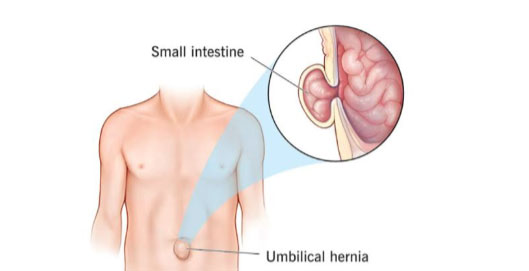
An umbilical hernia occurs when tissue, fat, or a part of the intestine pushes through a weak area in the abdominal wall near the navel. This weakness creates a visible bulge at or around the belly button. The swelling may be more noticeable when a person coughs, laughs, strains, lifts weight, or stands for a long time. In some cases, the bulge may reduce when lying down. In other cases, it may remain prominent or become painful.
Although umbilical hernias are common in infants, they can also occur in adults. In adults, an umbilical hernia usually does not close on its own and may gradually become larger over time. Adult umbilical hernias are often linked to increased pressure inside the abdomen, obesity, pregnancy, fluid accumulation, chronic cough, constipation, heavy lifting, or previous abdominal surgery.
DrKumar Hernia Surgeon advises that adults with an umbilical hernia should seek medical evaluation rather than waiting until complications develop. Early consultation helps patients understand whether surgery is required and which treatment option is best suited for them.

Common Symptoms of Umbilical Hernia
The most common symptom of an umbilical hernia is a swelling near the belly button. At first, the swelling may be painless and may only appear during strain. Over time, it may become more visible or uncomfortable.Common symptoms include:
- Swelling or bulge at the navel
- Pain or discomfort around the belly button
- Dragging sensation in the abdomen
- Bulge increasing while coughing or lifting weight
- Pain while bending or doing physical activity
- Tenderness around the hernia
- Difficulty reducing the swelling
- Redness, severe pain, vomiting, or abdominal bloating in complicated cases
Why Should Umbilical Hernia Not Be Ignored?
Many people delay treatment because the swelling is small or painless. However, an umbilical hernia in adults often increases in size with time. The abdominal wall defect may widen, and the hernia contents may get trapped. Delaying treatment can make surgery more complex, especially in patients with obesity, diabetes, chronic cough, constipation, or previous abdominal operations.
An untreated umbilical hernia can lead to pain, restriction of activity, cosmetic concerns, bowel obstruction, incarceration, or strangulation. Once a hernia becomes complicated, surgery may become urgent and recovery may be more difficult.
Consulting DrKumar Hernia Surgeon in Chennai allows patients to understand the seriousness of the condition and plan treatment before complications arise. The goal is not only to close the hernia defect but also to strengthen the abdominal wall and reduce the chance of recurrence.
Diagnosis of Umbilical Hernia
Diagnosis usually begins with a physical examination. DrKumar Hernia Specialist examines the swelling, checks whether it reduces, assesses the size of the defect, and evaluates symptoms. The patient’s medical history is also important, including previous surgeries, occupation, lifting habits, body weight, pregnancy history, cough, constipation, and other abdominal conditions.
In some patients, imaging tests such as ultrasound or CT scan may be advised. These tests help confirm the size of the defect, contents of the hernia, muscle weakness, associated divarication of recti, or recurrent hernia. Imaging is especially useful when the hernia is large, complex, painful, recurrent, or difficult to assess clinically.
Accurate diagnosis helps DrKumar Hernia Surgeon choose the right treatment plan, whether it is open repair, laparoscopic repair, mesh repair, or an advanced abdominal wall reconstruction technique.
Umbilical Hernia Treatment Options in Chennai
The main treatment for adult umbilical hernia is surgery. Medicines, belts, or exercises cannot permanently close the hernia defect. A belt may give temporary support in selected cases, but it does not cure the hernia. Surgery repairs the weakness in the abdominal wall and prevents the hernia from coming out again.
DrKumar Hernia Specialist offers different treatment options depending on the patient’s condition.
Open Umbilical Hernia Repair
Open repair may be suitable for selected small hernias or cases where direct access is preferred. In this method, an incision is made near the umbilicus, the hernia contents are reduced, and the defect is repaired. In many adult patients, mesh reinforcement may be used to strengthen the abdominal wall and reduce recurrence risk.
DrKumar Hernia Surgeon may recommend open repair when the hernia is small, when the anatomy is suitable, or when laparoscopic surgery is not ideal due to specific medical or surgical reasons.
Laparoscopic Umbilical Hernia Surgery
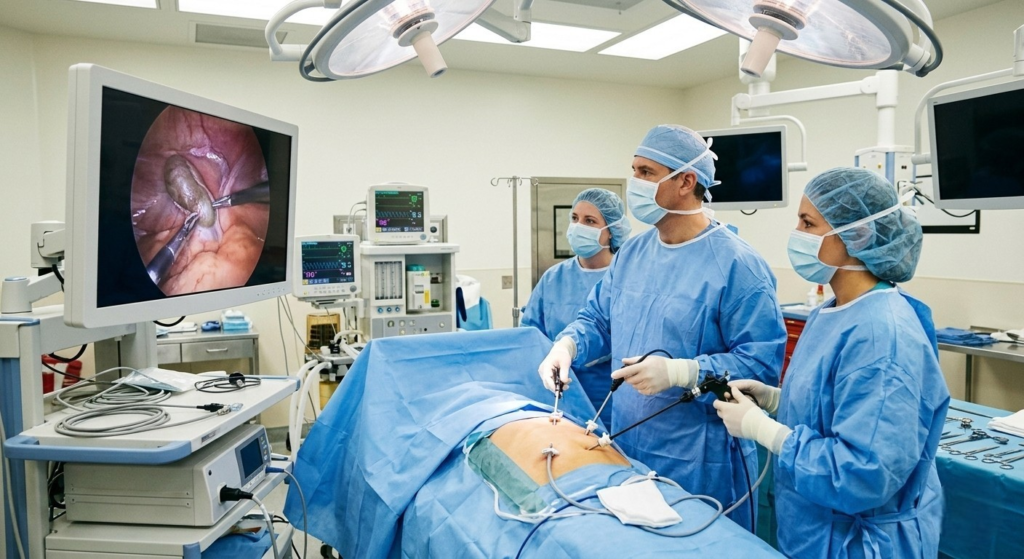
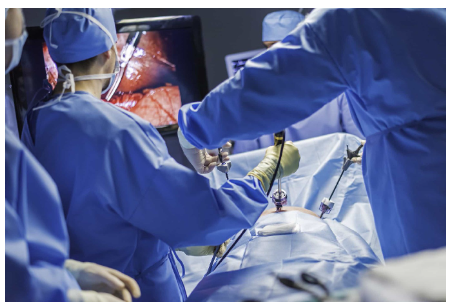
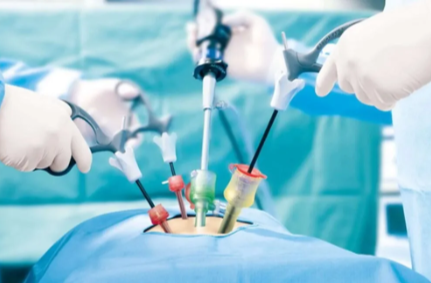
Laparoscopic umbilical hernia surgery is a minimally invasive technique performed through small incisions. A camera and specialized instruments are used to repair the hernia from inside the abdomen. Mesh may be placed to reinforce the weak area and provide stronger support.
Laparoscopic surgery may offer benefits such as smaller cuts, less wound-related discomfort, faster recovery, earlier return to routine activities, and better evaluation of the abdominal wall from inside. It is particularly useful in selected patients with larger defects, obesity, multiple small hernias, or recurrent hernias.
DrKumar Hernia Specialist in Chennai has expertise in advanced laparoscopic hernia repair and plans the procedure based on the size, position, and complexity of the hernia.

Mesh Repair for Umbilical Hernia
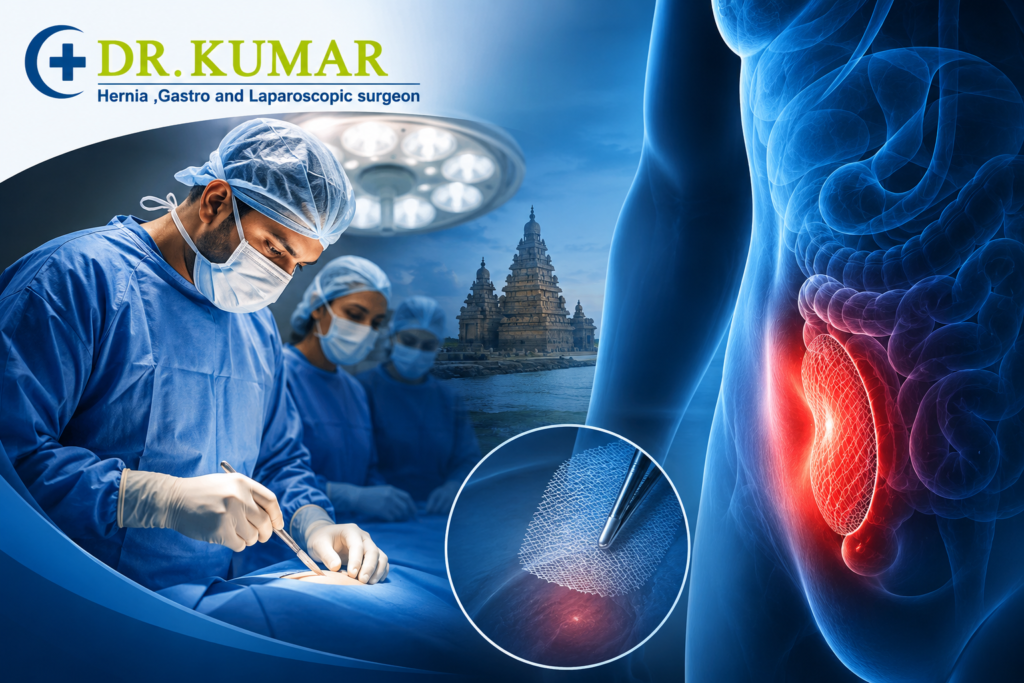
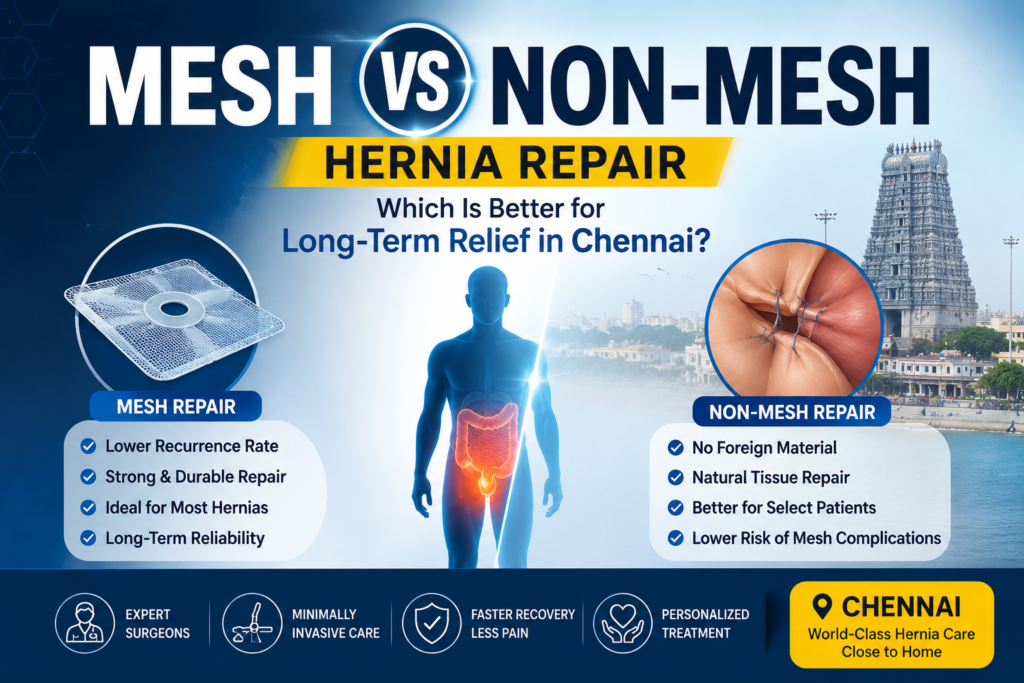
Mesh repair is commonly used in adult umbilical hernia surgery because it helps strengthen the weak abdominal wall. Instead of relying only on stitches, mesh provides additional support and reduces tension on the repaired area. The type, size, and position of mesh depend on the patient’s anatomy and the surgical technique used.
DrKumar Hernia Surgeon selects mesh placement carefully because proper placement is important for long-term success. The aim is to repair the defect securely while reducing pain, infection risk, and recurrence.
When Does DrKumar Use Advanced Techniques Like eTEP or Abdominal Wall Reconstruction?
Not every umbilical hernia requires an advanced technique. Simple, small hernias can often be repaired with standard open or laparoscopic methods. However, some patients have complex abdominal wall problems. These may include recurrent hernia, large hernia defects, multiple hernias, loss of domain, divarication of recti, weak abdominal muscles, or hernias after previous surgery.
In such cases, DrKumar Hernia Specialist may consider advanced techniques such as eTEP, TAR, component separation, or abdominal wall reconstruction. These methods are designed to restore the abdominal wall more effectively in selected complex cases.
The eTEP technique may be useful in certain ventral or umbilical hernias where the repair can be performed in a space that allows better mesh placement and abdominal wall reinforcement. DrKumar Hernia Surgeon uses such techniques only when they are appropriate for the patient’s hernia type, anatomy, and long-term benefit.
Why Choose DrKumar Hernia Specialist for Umbilical Hernia Treatment in Chennai?
Choosing the right hernia surgeon is an important decision. Hernia surgery is not only about closing a hole; it is about understanding abdominal wall mechanics, selecting the right technique, reducing recurrence, and helping patients return safely to normal life.DrKumar Hernia Specialist at Billroth Hospitals, Chennai, is known for treating simple, recurrent, complicated, and complex hernias. With years of experience in laparoscopic and advanced hernia surgery, DrKumar Hernia Surgeon provides treatment for umbilical, inguinal, ventral, incisional, recurrent, and complex abdominal wall hernias.Patients consult DrKumar Hernia Specialist for:
- Experience in laparoscopic hernia surgery
- Treatment of simple and complex hernias
- Management of recurrent hernias
- Advanced techniques such as eTEP, TAR, component separation, and abdominal wall reconstruction
- Patient-specific treatment planning
- Focus on safe repair and reduced recurrence
- Clear guidance before and after surgery
Recovery After Umbilical Hernia Surgery
Recovery depends on the size of the hernia, type of surgery, patient’s health, and whether the hernia was simple or complicated. Many patients can walk soon after surgery and gradually return to routine activities. However, heavy lifting, strenuous exercise, and abdominal strain should be avoided during the healing period.
DrKumar Hernia Specialist gives personalized post-operative instructions to help patients recover safely. These may include wound care, diet advice, pain control, walking, avoiding constipation, weight management, and guidance on when to return to work.
Patients who undergo laparoscopic umbilical hernia surgery may experience faster recovery in selected cases, but every patient’s healing pattern is different. Follow-up visits are important to monitor recovery and ensure the repair is healing well.

Preventing Recurrence After Surgery
A successful hernia repair also depends on lifestyle and post-surgery precautions. Patients should avoid early heavy lifting, manage body weight, control chronic cough, treat constipation, maintain good nutrition, and follow the surgeon’s advice.
DrKumar Hernia Surgeon explains that recurrence risk can be reduced when the correct surgical technique is combined with proper recovery care. Patients with obesity, diabetes, smoking habits, chronic cough, or repeated abdominal strain may need additional guidance to improve healing and reduce future risk.
Book Consultation with DrKumar Hernia Surgeon in Chennai
If you have swelling near the belly button, pain around the umbilicus, or a previously repaired hernia that has returned, it is important to consult an experienced hernia specialist. Early diagnosis helps avoid complications and allows planned treatment.
DrKumar Hernia Specialist at Billroth Hospitals, Chennai, provides expert care for umbilical hernia treatment, laparoscopic umbilical hernia surgery, mesh repair, recurrent hernia, and complex abdominal wall hernias. Patients looking for umbilical hernia treatment in Chennai can book a consultation with DrKumar Hernia Surgeon for detailed evaluation and personalized treatment advice.

Frequently Asked Questions
In most adults, an umbilical hernia does not close on its own. Surgery is usually recommended when the hernia is painful, increasing in size, cosmetically concerning, or at risk of complications. DrKumar Hernia Specialist can examine the hernia and advise whether surgery is needed immediately or can be planned electively.
Non-surgical methods such as belts or binders may provide temporary support but cannot permanently repair the hernia defect. Adult umbilical hernias usually require surgery for a lasting solution. DrKumar Hernia Surgeon will recommend the right treatment depending on the size, symptoms, and complexity of the hernia.
Laparoscopic surgery may offer smaller cuts, less wound discomfort, and quicker recovery in selected patients. However, open surgery may be better for certain small or specific hernias. DrKumar Hernia Specialist chooses the technique based on the patient’s condition, hernia size, previous surgery history, and abdominal wall strength.
Mesh is often used in adult umbilical hernia repair to strengthen the abdominal wall and reduce recurrence risk. The decision depends on the size of the defect, tissue quality, and type of repair. DrKumar Hernia Surgeon selects the mesh and placement technique according to each patient’s needs.
Most patients can start walking soon after surgery and return gradually to routine activities. Heavy lifting and strenuous exercise should be avoided until the surgeon confirms proper healing. DrKumar Hernia Specialist provides personalized recovery instructions after surgery based on the procedure performed and the patient’s health condition.