
Advanced Gallbladder Stone Treatment & Laparoscopic Gallbladder Surgery by Dr Kumar
Gallbladder stones are among the most common digestive disorders affecting adults today. While many patients may initially experience mild symptoms, untreated gallbladder disease can eventually lead to severe pain, infection, inflammation and potentially life-threatening complications. For safe, effective and advanced treatment, choosing an experienced surgeon is extremely important.
With more than 29 years of surgical experience and over 5,000 gallbladder surgeries performed, Dr Kumar has established himself as one of the most experienced specialists in Chennai for the treatment of gallbladder stones and gallbladder disorders. Dr Kumar is the best doctor for gallbladder surgery for patients seeking advanced laparoscopic techniques, patient-focused care and excellent surgical outcomes.
DrKumar at Billroth Hospitals specialises in the diagnosis and treatment of gallbladder stones, acute and chronic gallbladder infections, complicated gallbladder conditions and difficult gallbladder surgeries. His vast experience in advanced laparoscopic surgery enables most patients to benefit from minimally invasive treatment, faster recovery and reduced post-operative discomfort.
Why Choose Dr Kumar for Gallbladder Surgery?
Gallbladder surgery is one of the most commonly performed abdominal operations worldwide. However, successful outcomes depend significantly on the experience, judgement and technical expertise of the surgeon.
Patients choose Dr Kumar because of:
- More than 29 years of surgical experience
- Over 5,000 gallbladder surgeries performed
- Expertise in advanced laparoscopic gallbladder surgery
- Extensive experience in complicated gallbladder cases
- Expertise in managing emergency gallbladder conditions
- High standards of patient safety
- Individualised treatment planning
- Comprehensive pre-operative evaluation
- Focus on rapid recovery and patient comfort
- Ethical, transparent and patient-centred approach
As a highly experienced DrKumar Gallbladder specialist, he treats patients with simple gallbladder stones as well as those with complex and recurrent gallbladder conditions that may require advanced surgical expertise.

Understanding the Gallbladder
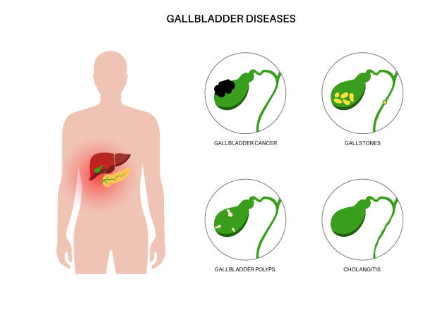
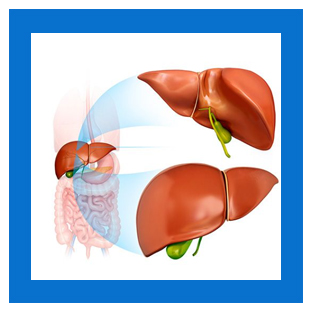
The gallbladder is a small pear-shaped organ situated beneath the liver. Its primary role is to store and concentrate bile produced by the liver. Bile helps the body digest fats and is released into the intestine after meals.Although the gallbladder performs an important storage function, it is not essential for survival. Patients can live completely normal lives after gallbladder removal because bile continues to be produced by the liver and reaches the intestine directly.The gallbladder can develop several disorders, including:
- Gallbladder stones (Gallstones)
- Acute cholecystitis
- Chronic cholecystitis
- Gallbladder polyps
- Gallbladder sludge
- Gallbladder empyema
- Gallbladder perforation
- Choledocholithiasis
- Gallstone pancreatitis
- Gallbladder cancer
What Are Gallbladder Stones?
Gallbladder stones, commonly called gallstones, are hardened deposits that develop inside the gallbladder. They may vary in size from tiny grains to large stones.Gallstones generally form when substances present in bile become imbalanced and crystallise over time.The two main types of gallstones are:
Cholesterol Stones
These are the most common type and account for approximately 80% of gallstones. They are usually yellowish-green in colour and form due to excess cholesterol in bile.Pigment Stones
These stones contain bilirubin and are generally darker in colour. They may occur in patients with certain blood disorders or liver conditions.Regardless of the type of stone, surgical removal of the gallbladder remains the most effective and definitive treatment for symptomatic gallstone disease.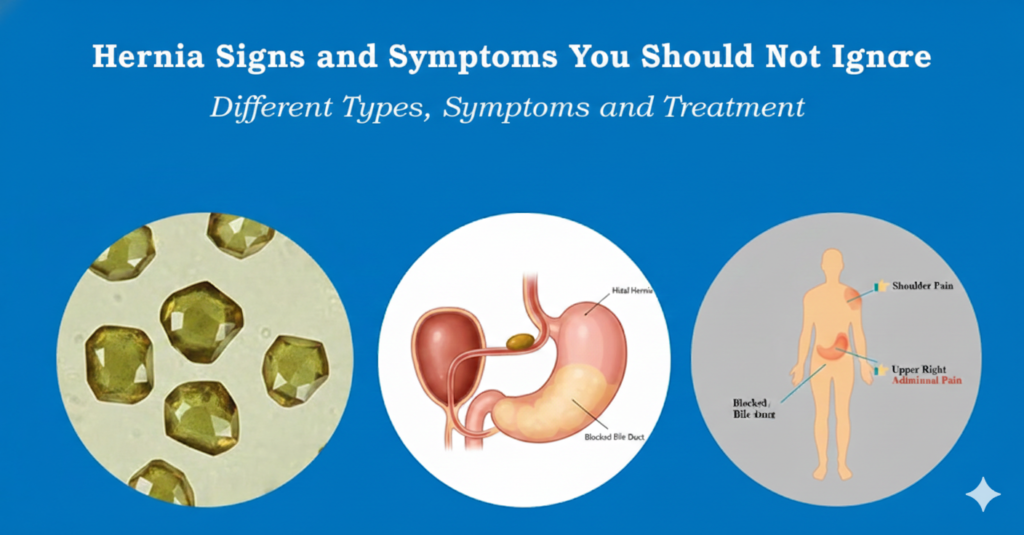
Common Symptoms of Gallbladder Stones
Many patients may remain symptom-free for years. However, once symptoms develop, they often recur and become progressively troublesome.Common symptoms include:
- Pain in the upper right side of the abdomen
- Pain after consuming fatty meals
- Nausea and vomiting
- Bloating and indigestion
- Pain radiating to the back or right shoulder
- Abdominal discomfort
- Recurrent episodes of severe abdominal pain
- Fever associated with infection
- Jaundice in complicated cases
Who is at Risk of Developing Gallstones?
Certain factors increase the likelihood of developing gallbladder stones.Risk factors include:
- Female gender
- Age above 40 years
- Obesity
- Rapid weight loss
- High-fat diet
- Family history of gallstones
- Diabetes
- Pregnancy
- Certain blood disorders
- Sedentary lifestyle
- Previous abdominal surgery
When is Gallbladder Surgery Required?
Not every gallstone requires immediate surgery. However, once gallstones begin causing symptoms, surgery is usually recommended.Gallbladder surgery may be advised in the following situations:
- Recurrent abdominal pain
- Acute cholecystitis
- Chronic gallbladder inflammation
- Gallstone pancreatitis
- Bile duct obstruction
- Jaundice caused by gallstones
- Large gallstones
- Multiple gallstones
- Gallbladder polyps associated with stones
- Recurrent emergency admissions
Comprehensive Gallbladder Assessment
Every patient undergoes a detailed evaluation before treatment is planned.This assessment may include:
Clinical Examination
A thorough medical history and physical examination help identify symptoms, severity and potential complications.Blood Investigations
Blood tests help assess:- Infection
- Liver function
- Pancreatic function
- Overall health status
Ultrasound Scan
Ultrasound is the primary investigation for diagnosing gallstones and assessing gallbladder health.Advanced Imaging
When necessary, additional investigations may include:- CT Scan
- MRI
- MRCP
- Endoscopic procedures

Laparoscopic Gallbladder Surgery
The Gold Standard Treatment
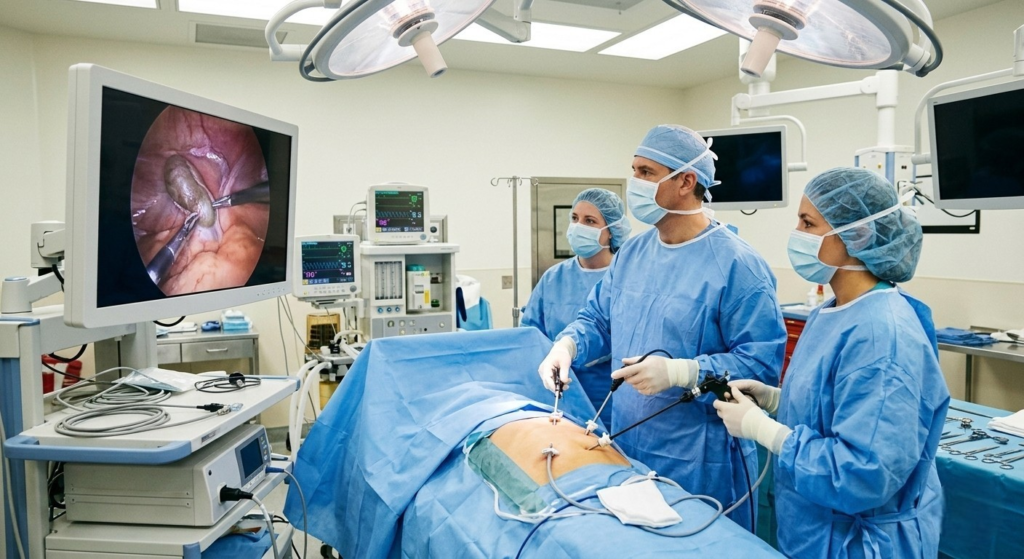
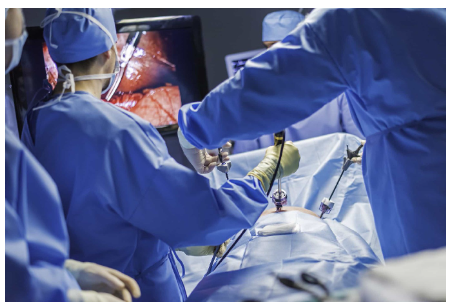
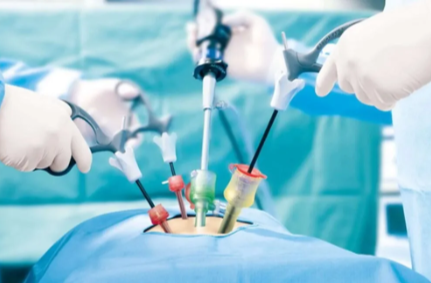
Laparoscopic Cholecystectomy is currently regarded as the gold standard treatment for symptomatic gallbladder stones.This minimally invasive procedure involves removing the gallbladder through small keyhole incisions using specialised instruments and a high-definition camera.Benefits include:- Smaller incisions
- Less pain
- Minimal scarring
- Faster recovery
- Shorter hospital stay
- Early return to work
- Lower risk of complications
- Better cosmetic outcomes
Management of Complex Gallbladder Cases
While many gallbladder surgeries are straightforward, some patients present with significantly more challenging conditions.These include:
- Severe inflammation
- Recurrent infections
- Thickened gallbladder wall
- Previous abdominal surgeries
- Gallbladder perforation
- Empyema of the gallbladder
- Gangrenous gallbladder
- Dense adhesions
- Mirizzi syndrome
- Elderly patients with multiple medical conditions
Emergency Gallbladder Surgery
Certain gallbladder conditions require urgent medical attention.Emergency surgery may become necessary when patients develop:
- Acute cholecystitis
- Gallbladder perforation
- Severe infection
- Empyema
- Obstructive jaundice
- Gallstone pancreatitis
What Happens During Gallbladder Surgery?
The procedure is performed under general anaesthesia.During surgery:
- Small incisions are made in the abdomen.
- A laparoscope (camera) is inserted.
- Surgical instruments are introduced through additional ports.
- The gallbladder is carefully separated from surrounding structures.
- The gallbladder is removed safely.
- The incisions are closed with cosmetic sutures.

Recovery After Gallbladder Surgery
Recovery following laparoscopic surgery is generally smooth and rapid.Most patients experience:
- Early mobilisation
- Reduced post-operative pain
- Short hospital stay
- Faster return to daily activities
- Improved quality of life
- Diet
- Physical activity
- Wound care
- Medications
- Follow-up appointments
Life After Gallbladder Removal
A common concern among patients is whether they can live normally without a gallbladder.The answer is yes.The liver continues to produce bile even after gallbladder removal. Most patients adapt quickly and return to a completely normal lifestyle.Benefits frequently reported after surgery include:
- Relief from abdominal pain
- Improved digestion
- Freedom from recurrent attacks
- Better quality of life
- Elimination of future gallstone complications

Why Patients Trust Dr Kumar
Over nearly three decades, Dr Kumar has earned the trust of thousands of patients through his commitment to surgical excellence and compassionate care.Patients appreciate:
- Detailed explanations
- Transparent communication
- Ethical treatment recommendations
- Accessibility and support
- Focus on patient safety
- Advanced laparoscopic expertise
- Personalised treatment planning
Advanced Surgical Expertise
Dr Kumar continually updates his knowledge and surgical skills through advanced training and fellowships in minimally invasive surgery.His expertise extends to:
- Laparoscopic Gallbladder Surgery
- Advanced Laparoscopic Surgery
- Robotic Surgery
- Gastrointestinal Surgery
- Complex Abdominal Surgery
- Hernia Surgery
- Abdominal Wall Reconstruction

Patient-CentredGallbladder Care
Every patient is unique. Treatment decisions are based on:
- Symptoms
- Severity of disease
- Medical history
- Existing health conditions
- Lifestyle requirements
- Individual expectations
Book a Consultation with Dr Kumar
If you are experiencing symptoms of gallbladder stones, recurrent abdominal pain, gallbladder infection or have been advised surgery elsewhere, DrKumar at Billroth Hospitals can help you understand your options clearly.
With more than 5,000 gallbladder surgeries performed and extensive expertise in advanced laparoscopic techniques, Dr Kumar is the best doctor for gallbladder surgery for patients seeking safe, effective and evidence-based treatment. As a highly experienced DrKumar Gallbladder surgeon, he is committed to providing personalised care, advanced surgical solutions and excellent outcomes for patients suffering from gallbladder disease.
Frequently Asked Questions
Gallbladder surgery is usually recommended when gallstones cause symptoms such as abdominal pain, nausea, indigestion, bloating or repeated attacks of discomfort. Surgery may also be required if complications develop, including gallbladder infection, jaundice, pancreatitis or blockage of the bile ducts. Early treatment can help prevent more serious health problems.
Yes. Laparoscopic gallbladder surgery is considered the preferred treatment for symptomatic gallbladder stones. It is a minimally invasive procedure performed through small incisions, resulting in less pain, smaller scars and quicker recovery. When performed by an experienced surgeon like Dr Kumar, it offers excellent safety and success rates.
Most patients recover quickly after laparoscopic gallbladder surgery. Many are able to walk on the same day of surgery and return home within 24 to 48 hours. Depending on individual recovery and work requirements, most patients can resume normal daily activities within one to two weeks.
While some gallstones may remain symptom-free, symptomatic gallstones can lead to recurrent pain and more serious complications if left untreated. These may include gallbladder infection, bile duct obstruction, jaundice or pancreatitis. Timely surgical treatment helps prevent these complications and provides long-term relief from symptoms.
Yes. The gallbladder stores bile, but it is not essential for normal digestion. After gallbladder removal, bile produced by the liver flows directly into the intestine. Most patients return to their regular diet and lifestyle after recovery and experience significant improvement in their quality of life.
Dr Kumar has more than 29 years of surgical experience and has performed over 5,000 gallbladder surgeries. He specialises in advanced laparoscopic techniques and manages both routine and complex gallbladder conditions. Patients value his experience, patient-focused approach, commitment to safety and consistent surgical outcomes.