
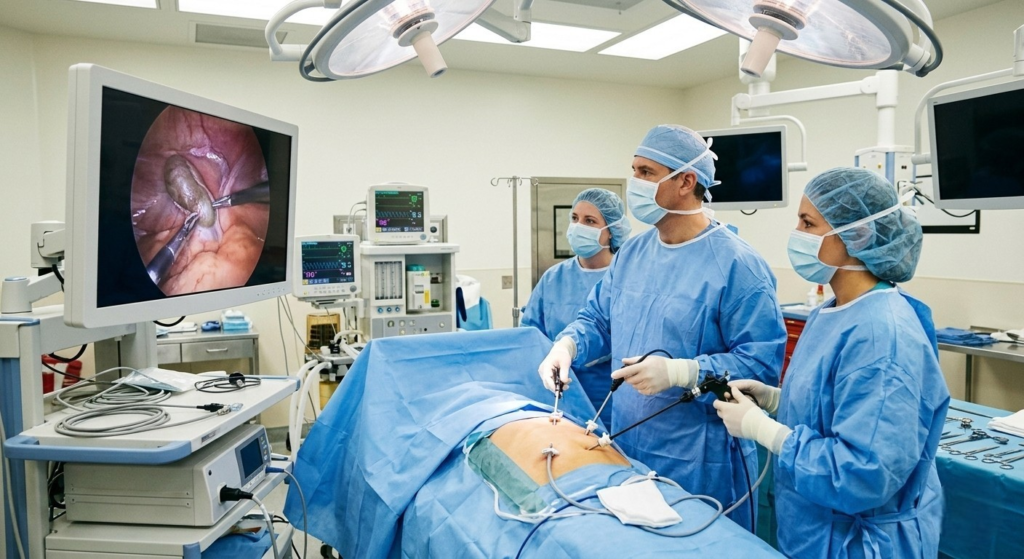
Fistula Treatment in Chennai by DrKumar at Billroth Hospitals
Anal fistula is a condition that can cause repeated pain, swelling, pus discharge, irritation and discomfort around the anus. Many patients delay treatment because they feel embarrassed to discuss the problem, but a fistula usually does not heal permanently with medicines alone. Early consultation with an experienced fistula surgeon can help identify the fistula tract, control infection and plan the right treatment before the condition becomes more complex.
DrKumar at Billroth Hospitals provides evaluation and surgical treatment for anal fistula in Chennai. With extensive experience in general, laparoscopic and gastrointestinal surgery, DrKumar fistula specialist focuses on accurate diagnosis, safe surgical planning and patient-friendly care. The goal of treatment is not only to close the fistula, but also to reduce the risk of recurrence and protect anal sphincter function wherever possible.
What Is an Anal Fistula?
An anal fistula, also called fistula-in-ano, is an abnormal tunnel that forms between the inside of the anal canal and the skin around the anus. It often develops after an anal abscess, where infection and pus collect near the anus. Even if the abscess drains on its own or after treatment, a small tract may remain and continue to discharge pus or fluid.
Patients commonly notice a small opening or dot near the anus. This opening may discharge pus, blood-stained fluid or foul-smelling fluid. Some patients also experience repeated swelling, pain while sitting, itching, irritation, fever during infection, or discomfort during bowel movements. If these symptoms keep coming back, it is important to consult DrKumar fistula surgeon in Chennai for proper assessment.

When Should You Suspect a Fistula?
A fistula may be suspected if you have repeated pus discharge near the anal opening, a boil that keeps coming back, persistent pain or swelling around the anus, irritation of the surrounding skin, or a small external opening that does not close. Some patients may feel better temporarily after the pus drains, but the problem often returns because the internal tract is still present.
DrKumar fistula specialist evaluates the symptoms carefully and checks whether the fistula is simple, complex, recurrent or associated with other conditions. This distinction is important because every fistula cannot be treated in the same way. A simple fistula may require a different approach from a high, branching or recurrent fistula.
Why Accurate Diagnosis Is Important
Successful fistula treatment depends on identifying the full path of the fistula tract. In some cases, the external opening is visible, but the internal opening and deeper branches are not obvious. Missing a secondary tract may lead to persistent discharge or recurrence after surgery.
During consultation, DrKumar at Billroth Hospitals may advise clinical examination and imaging when required. MRI fistulogram is commonly used in selected patients, especially when the fistula is complex, recurrent, high or has multiple openings. MRI helps map the tract, identify hidden branches and understand the relationship of the fistula to the sphincter muscles.
This detailed diagnosis helps DrKumar fistula surgeon choose a suitable procedure. The treatment plan is always based on the fistula anatomy, patient symptoms, previous surgeries, infection status and the need to preserve continence.
Causes and Risk Factors of Anal Fistula
Most anal fistulas develop after infection in the anal glands. When the infection forms an abscess, the pus may create a tunnel from the anal canal to the skin. Once this tunnel becomes established, it may continue to discharge.
Other possible risk factors include previous anal abscess, recurrent infection, inflammatory bowel disease such as Crohn’s disease, previous surgery in the anal region, trauma, tuberculosis in selected cases, radiation-related tissue changes, or other underlying medical problems. However, many patients develop fistula without having a major medical history.
DrKumar fistula specialist in Chennai assesses each patient individually to understand whether the fistula is a routine cryptoglandular fistula or linked to another condition that needs additional treatment.
Types of Anal Fistula
Anal fistulas may be simple or complex depending on their path and involvement of the sphincter muscles. A simple fistula usually has a straightforward tract and involves less sphincter muscle. A complex fistula may pass through a larger portion of the sphincter, have multiple branches, involve horseshoe extensions, recur after previous surgery, or be associated with diseases like Crohn’s disease.
This classification matters because the anal sphincter muscles control bowel continence. Cutting too much sphincter muscle can increase the risk of leakage or control problems. Therefore, DrKumar fistula surgeon plans treatment with attention to both healing and sphincter safety.
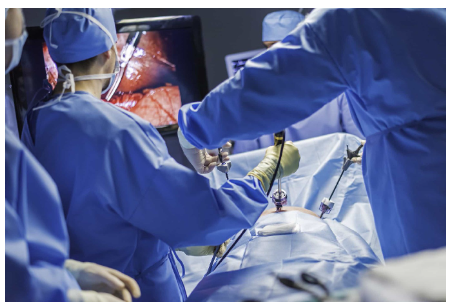
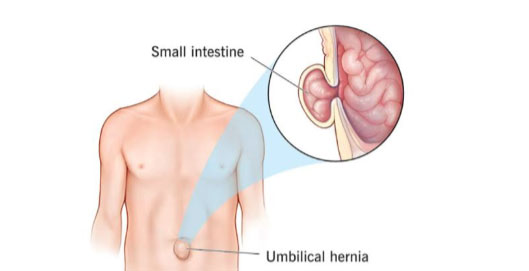
Fistula Treatment Options by DrKumar at Billroth Hospitals
The best treatment for anal fistula depends on the type and complexity of the fistula. DrKumar at Billroth Hospitals may recommend one of several surgical options after evaluation.
Fistulotomy
Fistulotomy is commonly used for selected simple fistulas where the tract can be safely opened without causing significant sphincter damage. The fistula tract is laid open so it can heal from the inside out. DrKumar fistula specialist considers this option when the anatomy is suitable and the expected healing is safe.Fistulectomy
In fistulectomy, the fistula tract is removed. This may be considered in selected cases based on the tract, tissues and surgeon’s assessment. DrKumar fistula surgeon decides whether fistulectomy is appropriate after examining the fistula and reviewing imaging when needed.Seton Placement
A seton is a surgical thread placed through the fistula tract to allow drainage and control infection. It may be used in complex fistulas, high fistulas, recurrent fistulas or cases where immediate definitive surgery is not ideal. Seton placement can help reduce abscess formation and prepare the area for further treatment.Sphincter-Sparing Procedures
For complex fistulas, protecting sphincter function becomes especially important. DrKumar fistula specialist may consider sphincter-sparing options depending on the anatomy. These procedures aim to treat the fistula while reducing the risk of continence-related complications.Laser or Advanced Fistula Procedures
Some patients ask about laser fistula treatment in Chennai. Laser treatment may be suitable for selected fistulas, but it is not the best option for every patient. DrKumar at Billroth Hospitals evaluates whether a laser-based or other advanced technique is appropriate based on fistula tract length, branching, infection, internal opening and previous surgery history.Why Choose DrKumar Fistula Specialist in Chennai?
Choosing the right fistula surgeon is important because anal fistula treatment requires experience, careful planning and understanding of sphincter anatomy. DrKumar at Billroth Hospitals has long-standing experience in surgical care, including gastrointestinal, laparoscopic and anorectal procedures. His clinical focus is on accurate diagnosis, practical treatment selection and patient comfort throughout the process.
Patients looking for fistula treatment in Chennai often need clear answers: Is surgery required? Will the fistula come back? How long is recovery? Is laser treatment possible? Will bowel control be affected? DrKumar fistula surgeon discusses these concerns during consultation and explains the treatment plan in simple terms.
The emphasis is on promoting DrKumar’s expertise and individualized care. Billroth Hospitals is the place where DrKumar consults and treats patients, but the focus of care is DrKumar’s clinical assessment, surgical decision-making and experience in managing fistula cases.
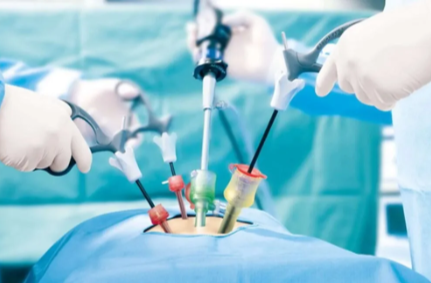

What Happens During Consultation?
During your consultation with DrKumar fistula specialist, you may be asked about the duration of symptoms, history of abscess, previous drainage, discharge pattern, pain, fever, bowel habits, diabetes, Crohn’s disease or previous anal surgery. A local examination may be performed to identify the external opening, tenderness, swelling or signs of active infection.
If the fistula appears complex or recurrent, MRI may be advised. Once the diagnosis is clear, DrKumar fistula surgeon explains whether immediate surgery, infection control, seton placement or another staged approach is suitable.
Recovery After Fistula Surgery
Recovery depends on the type of procedure performed and the complexity of the fistula. Some patients return to routine activities within a few days, while others may need more time for wound healing and follow-up care. Wound care, sitz bath, medicines, diet advice and follow-up visits are important parts of recovery.
After surgery, mild discharge for some time may be expected as the wound heals. Patients should follow DrKumar’s instructions carefully and attend follow-up appointments to ensure proper healing. Good hygiene, avoiding constipation, drinking enough water and eating fibre-rich food can support smoother recovery.
Can Fistula Come Back After Surgery?
Fistula recurrence can happen, especially in complex, branching or previously operated fistulas. The risk may increase if hidden tracts are missed, infection persists, or there is an underlying condition. This is why proper diagnosis and fistula mapping are important before surgery.
DrKumar fistula specialist in Chennai focuses on identifying the full fistula anatomy and choosing a treatment that balances healing with sphincter protection. Patients with recurrent fistula should not delay specialist consultation, because repeat infections can make the tract more complicated.
Fistula Treatment in Chennai: Do Not Delay Care
Anal fistula is a treatable condition, but ignoring it can lead to repeated infection, pain, abscess formation and worsening of the tract. If you have pus discharge, a painful swelling near the anus, a small opening around the anal region, or repeated abscess, consult DrKumar at Billroth Hospitals for fistula evaluation.
DrKumar fistula surgeon in Chennai provides diagnosis-based treatment for simple, complex and recurrent fistula. With the right surgical plan and proper follow-up, many patients can achieve relief from long-standing symptoms and return to normal daily life with confidence.

Book an Appointment with DrKumar at Billroth Hospitals
If you are searching for fistula treatment in Chennai, consult DrKumar fistula specialist for expert evaluation and treatment planning. Early diagnosis can help prevent complications and make treatment more effective.
Book an appointment with DrKumar at Billroth Hospitals to discuss your symptoms, understand your fistula type and choose the most suitable treatment option.
Frequently Asked Questions
Most anal fistulas do not heal permanently with medicines alone. Antibiotics may control infection temporarily, but the fistula tract usually needs a surgical procedure. DrKumar fistula specialist will assess your condition and explain whether surgery is required.
Common signs include pus discharge near the anus, a small opening around the anal region, repeated swelling, pain, itching, irritation or a boil that keeps returning. If these symptoms are present, consult DrKumar fistula surgeon in Chennai for proper diagnosis.
MRI is not required for every patient, but it is very useful in complex, recurrent, high or multiple-tract fistulas. DrKumar at Billroth Hospitals may advise MRI when detailed tract mapping is needed before surgery.
No. Laser fistula treatment may be useful in selected cases, but not every fistula is suitable for laser. The decision depends on the fistula tract, internal opening, infection, branching and sphincter involvement. DrKumar fistula specialist will recommend the right option after evaluation.
Recovery varies depending on the type of fistula and procedure performed. Some patients recover quickly, while complex fistulas may need longer wound care and follow-up. DrKumar fistula surgeon will provide post-operative instructions to support proper healing and reduce recurrence risk.