

If you are reading this, there’s a good chance you have already typed something like “hernia doctor near me” into Google at least once. That search usually comes after a moment that feels small but stubborn: a bulge that appears when you cough, a dull pull in the groin after a long day, or a heavy sensation that was not there before.
A hernia is common, but it should never be casually ignored. The good news is that hernia treatment has changed a lot in recent years. Today’s options are designed to reduce pain, shorten downtime, and help you return to work and family life sooner, often with smaller cuts and more predictable healing.
In this pillar guide, Dr Kumar shares how modern hernia care works, what your choices actually mean, and how to choose the right hernia specialist without getting lost in confusing medical talk.
First, What Exactly is a Hernia?
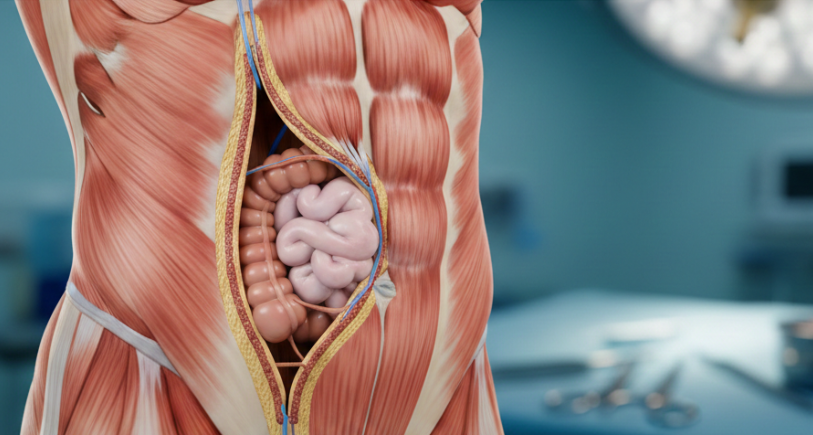
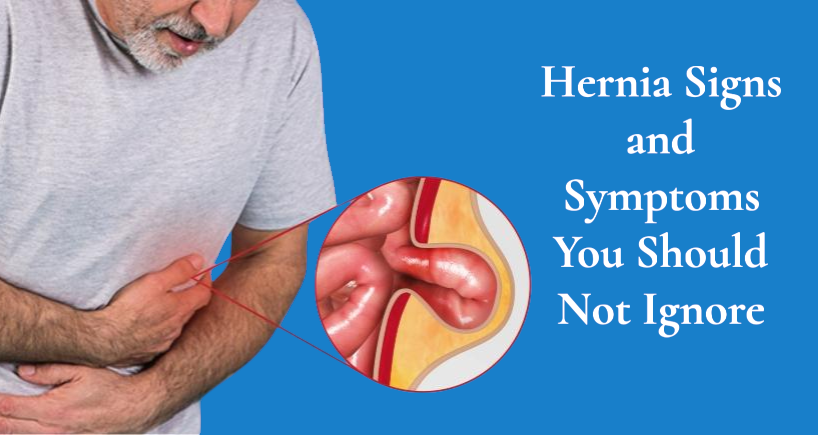
A hernia happens when an internal tissue pushes through a weak area in the muscle wall. You might notice it as a swelling or bulge that becomes more obvious when you stand, strain, lift, or cough.
Hernias can occur in different areas, such as:
>> Inguinal (groin) hernia
>> Umbilical (belly button) hernia
>> Incisional hernia (near an old surgery scar)
>> Ventral hernia (front abdominal wall)
>> Hiatal hernia (upper stomach area, often linked with reflux)
Some hernias stay mild for a while. Others progress and begin to interfere with daily life. And a small number can become an emergency if blood flow is affected. That is why early assessment by a hernia specialist matters.
Hernia Signs and Symptoms You Should Not Ignore
People often try to “wait it out” because the pain is not sharp. But hernias rarely fix themselves. Here are the most common hernia signs and symptoms that bring patients to a clinic:
>> A bulge that comes and goes
>> Discomfort or pulling sensation when standing or lifting
>> Burning, pressure, or heaviness in the groin or abdomen
>> Pain that gets worse by evening
>> Swelling near a previous surgery scar
>> Symptoms that worsen after weight gain, chronic cough, or constipation
When a hernia becomes urgent
Seek emergency care if you have sudden severe pain, vomiting, fever, a firm tender bulge, or redness over the swelling. These can be signs of a strangulated hernia, which is a medical emergency.
When a hernia becomes urgent
Seek emergency care if you have sudden severe pain, vomiting, fever, a firm tender bulge, or redness over the swelling. These can be signs of a strangulated hernia, which is a medical emergency.
Why Watch and Wait is not Always the Best Idea
Some people can safely monitor a small hernia for a short time, especially if it causes no discomfort. But many patients end up needing repair later, often when the hernia has grown or daily life becomes limited.
Most people searching for “hernia specialist near me” are not just looking for surgery. They want clarity:
>> Is it really a hernia?
>> Is surgery necessary now?
>> Which method gives the safest recovery for my body and job?
>> Will I have a visible scar?
>> How soon can I walk, drive, travel, or return to work?
A thoughtful consultation gives you a plan, not pressure.
Best Hernia Surgeon Explains the Modern Approach: Personal, Precise, and Planned
Every hernia is not the same. The best outcomes come from matching the technique to the person.
In Dr Kumar’s practice at Billroth Hospitals, the focus is not “one method for everyone.” It is a practical approach built on:
>> The type and size of hernia
>> Whether it is first-time or recurrent
>> Your age, weight, and activity level
>> Your medical history
>> Your work and family responsibilities
>> Your comfort with downtime
This is how you get faster recovery without compromising safety.
1) Open Hernia Repair (reliable and widely used)
Open surgery has improved significantly with better techniques and materials. It may be recommended when:
>> The hernia is very large
>> There is complex scarring from previous surgery
>>Minimally invasive surgery is not ideal for a patient’s condition
Open repair can be an excellent option in the right hands, especially when planned carefully and followed by good recovery guidance.
2) Laparoscopic Hernia Repair (small cuts, quicker return for many patients)
Laparoscopic repair uses small keyhole cuts and a camera. It is commonly used for groin and some abdominal wall hernias. Many patients choose it because it often means less wound discomfort and earlier mobility.
For groin hernias, laparoscopic approaches like TEP and TAPP are widely used and well-studied.
3) Robotic Hernia Repair (precision benefits in selected cases)
Robotic surgery can be valuable in certain hernia repairs, especially where fine movements and complex stitching are helpful. Evidence reviews suggest outcomes can be similar to laparoscopy in many cases, while cost and operating time may be higher, so it is usually chosen when it provides a clear advantage for a specific patient.
4) Non-surgical support (limited role)
Belts and supports may provide temporary comfort for some people, but they do not repair the weakness. Think of them as short-term symptom management, not treatment.
Advanced Hernia Repair Techniques That Improve Comfort and Durability
Patients are often surprised to learn how much technique matters. The same “hernia surgery” can feel very different depending on the method and planning.
Here are examples of advanced hernia repair techniques that a skilled surgeon may use based on the case:
>> Tension-free repair: reduces strain on tissues, helping durability
>> Careful mesh selection and placement: chosen based on hernia type and patient factors
>> Minimally invasive repair for suitable patients: smaller cuts, often faster mobility
>> Complex abdominal wall reconstruction for large or recurrent hernias when needed
>> Precision closure and layered repair to reduce recurrence risk
Newer studies also explore improvements in mesh fixation and self-fixating mesh options in laparoscopic groin repairs, which may help reduce certain discomforts in appropriate cases.
The Biggest Question Patients Ask: Is Mesh Safe?
Mesh has been used for decades and is considered standard in many hernia repairs because it supports the weak area and helps reduce recurrence. The real issue is not “mesh or no mesh” in isolation. It is:
>> Is mesh appropriate for your hernia?
>> What type of mesh is best for your situation?
>> Where and how is it placed?
>> How experienced is the surgeon with that technique?
When a patient sees a hernia specialist, the conversation becomes specific and calm, not fear-based.
Hernia surgery recovery time: what healing actually looks like
People want a straight answer about hernia surgery recovery time, and it is fair to ask. But recovery is not one number. It depends on your hernia type, your body, and the method used. A realistic recovery timeline often looks like this:
In the first 24 to 72 hours
>> Mild to moderate soreness is common
>> Walking is encouraged
>> Pain is managed with simple medicines for many patients
>> Light meals and hydration help healing
In the first 1 to 2 weeks
>> Many patients return to desk work, depending on comfort
>> Swelling and bruising may gradually settle
>> Activity increases step by step
In 3 to 6 weeks
>> Many people return to normal daily routines
>> Lifting limits is eased based on the surgeon’s advice
In 6 to 12 weeks
>> Heavy lifting and intense activity may resume, case-dependent
>> Strength training returns gradually, with good form and guidance
>> Your surgeon should give you a written plan, not a vague “take rest.”
What Makes Recovery Faster and Safer Today?
Modern recovery is not only about the surgery. It is also about what happens before and after.
Here’s what helps patients recover more comfortably:
>> Pre-surgery evaluation that catches risks early
>> Clear instructions for food, medicines, and smoking cessation
>> Gentle anesthesia planning and nausea control
>> Early walking after surgery
>> Simple pain control strategies
>> Follow-up that is easy to access
When these pieces come together, patients usually feel in control instead of anxious.
How to Choose the Right Hernia Specialist Near Me
Looking for a hernia specialist near you online gives you a long list. But how do you choose?
Here are the filters that matter:
Does the doctor focus on hernias regularly?
Hernias may look “routine” but outcomes depend on repetition, judgment, and technique.
Do they offer more than one approach?
If a clinic only does one type of repair, every patient gets pushed into that lane. Look for a surgeon who matches the method to the patient.
Do they explain in simple language?
You should walk out knowing your options, not feeling rushed.
Do they have access to strong hospital support?
Complex cases need good backup, safe anesthesia, imaging, and emergency readiness.If you are in Chennai or traveling in for care, Dr Kumar’s setup at Billroth Hospitals is designed around this complete support system.
Why Patients Come to Dr Kumar – Billroth Hospitals
You do not need flashy promises when it comes to surgery. You need calm confidence, clear steps, and a surgeon who treats your recovery like part of the result, not an afterthought.
Patients often choose Dr Kumar hernia specialist care because they want:
>> a focused plan for their specific hernia
>> modern options like minimally invasive or advanced reconstruction when needed
>> guidance that helps them get back to life and work safely
>> a safety-first approach in a well-supported hospital environment
If you have been delaying care because you are worried about pain, downtime, or confusion around treatment types, a consultation can remove the fear. Most hernia decisions become much simpler once you see your scan or exam findings explained clearly.
A Simple Next Step if You Suspect a Hernia
If you have hernia signs and symptoms, do not try to self-diagnose for months. A proper evaluation takes away uncertainty, and early care often keeps treatment simpler.
If you are actively searching hernia specialist near you, consider booking an appointment with Dr Kumar – Billroth Hospitals for a clear diagnosis and an action plan that matches your lifestyle.
Because the goal is not just successful surgery.
The goal is a smoother recovery, fewer worries, and getting you back to normal life with confidence.
FAQs
1. What are the early signs and symptoms of a hernia?
Early hernia signs and symptoms include a visible bulge, discomfort while lifting, pain when coughing or bending, and a feeling of heaviness in the abdomen or groin.
2. When should I consult a hernia specialist?
You should see a hernia specialist if the bulge increases in size, pain becomes persistent, or daily activities are affected. Early consultation helps avoid complications.
3. What are the latest hernia treatment options available today?
The latest hernia treatment options include laparoscopic surgery, robotic-assisted repair, and advanced open techniques that offer faster recovery and reduced pain.
4. How long is the hernia surgery recovery time?
Hernia surgery recovery time varies, but most patients resume light activities within a few days and return to work within one to two weeks, depending on the procedure.
5. Do all hernias need surgery?
Not all immediately, but many eventually do. The decision depends on symptoms, size, lifestyle, and risk.
6. Can exercise fix a hernia?
Exercise can strengthen surrounding muscles, but it does not close the defect. Some movements can worsen symptoms if done incorrectly.
7. Will I be able to work soon?
Many patients return to desk work within days to a couple of weeks, depending on discomfort and job demands. Heavy labor usually needs longer.
8. Is laparoscopic or robotic always better?
Not always. For many patients, minimally invasive surgery is a great option. For others, open repair is the safer or more practical choice. Evidence reviews show robotic and laparoscopic outcomes can be similar in many settings, so the best choice is the one that fits your case.