

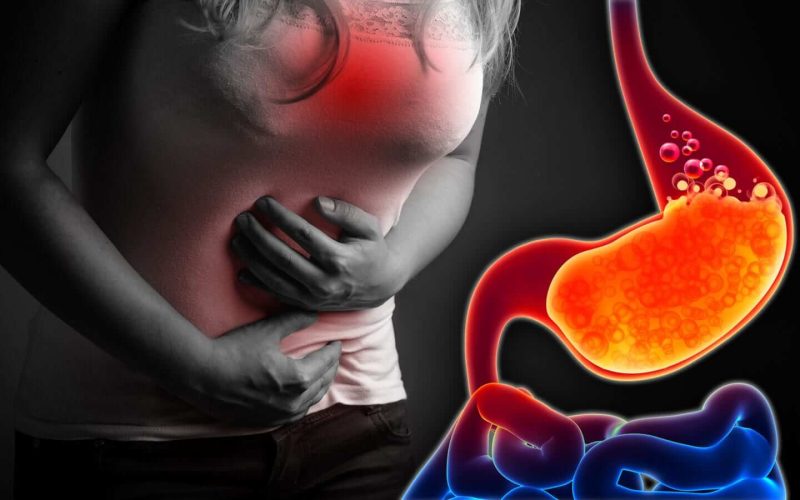
Most people think of GERD as simple acidity, heartburn, or a sour taste in the mouth after food. While these are common symptoms, Gastroesophageal Reflux Disease can also show up in ways that are not immediately linked to digestion. A patient may visit a doctor for a persistent cough, repeated throat clearing, voice change, chest discomfort, bad breath, or even disturbed sleep, without realising that acid reflux may be the hidden cause.
GERD occurs when stomach contents move backwards into the food pipe. This repeated reflux can irritate the lining of the esophagus and sometimes affect the throat, voice box, airway, mouth, and sleep pattern. When symptoms are unusual, diagnosis may be delayed because the patient may first suspect a lung problem, throat infection, dental issue, or heart-related concern.
DrKumar at Billroth Hospitals, Chennai, evaluates GERD symptoms with a careful clinical approach, especially when patients present with atypical or long-standing complaints. As an experienced laparoscopic gastro surgeon and GERD specialist, DrKumar focuses not only on symptom relief but also on identifying the reason behind repeated reflux, including lifestyle factors, hiatal hernia, weak lower esophageal sphincter, obesity, and poor response to medicines.
What Makes GERD Symptoms “Unusual”?
Typical GERD symptoms include burning in the chest, sour belching, regurgitation of food or acid, upper abdominal discomfort, and symptoms that worsen after meals or while lying down. Unusual symptoms are different. They may not feel like acidity at all.
A person may have no major burning sensation, yet still suffer from reflux reaching the upper throat or irritating nearby structures. This is why GERD can sometimes be missed for months. Many patients keep taking cough syrups, throat medicines, antacids, or home remedies without getting lasting relief.
DrKumar, GERD specialist and laparoscopic surgeon in Chennai, often advises patients not to ignore recurring symptoms that do not respond to usual treatment. If a cough, throat irritation, voice change, or swallowing issue keeps returning, GERD should be considered as one possible cause.
1. Chronic Cough That Does Not Settle
A dry, irritating cough that continues for weeks can sometimes be related to GERD. Acid reflux may irritate the throat and airway, especially when a person lies flat after food. Some patients notice that the cough becomes worse at night, early morning, or after a heavy meal.
This type of cough may not be accompanied by fever or phlegm. It may also fail to improve with regular cough medication. In reflux-related cough, the stomach acid or fumes from reflux may trigger throat sensitivity and repeated coughing.
Patients often describe it as a tickle in the throat that never fully goes away. DrKumar at Billroth Hospitals assesses such symptoms by looking at the full pattern: meal timing, sleeping position, food habits, weight, acidity history, and response to medication.
2. Voice Change and Hoarseness
Repeated reflux can irritate the larynx, which is the voice box. This may lead to hoarseness, rough voice, reduced voice strength, or voice tiredness. People who use their voice professionally, such as teachers, speakers, singers, sales professionals, and call centre employees, may notice this symptom early.
The voice may be worse in the morning because reflux often increases when lying down at night. Some patients feel the need to clear the throat again and again before speaking properly.
When voice change continues without a clear throat infection, it should not be brushed aside. DrKumar, a GERD and laparoscopic specialist in Chennai, helps patients understand whether reflux is contributing to their throat and voice symptoms and whether further evaluation is needed.
3. Frequent Throat Clearing
Constant throat clearing is one of the most overlooked symptoms of GERD. Patients may feel as if mucus is stuck in the throat, even when there is no major cold or allergy. This can become frustrating, especially in meetings, while speaking, or during sleep.
Reflux irritation may make the throat feel coated, dry, or inflamed. The patient keeps clearing the throat for temporary relief, but the sensation returns.
This symptom is commonly mistaken for sinus problems or postnasal drip. In some patients, both conditions may exist together. That is why proper evaluation is important. DrKumar at Billroth Hospitals considers the complete symptom picture rather than treating every throat symptom as a simple infection.
4. Feeling of a Lump in the Throat
Some patients with GERD complain of a constant lump-like sensation in the throat. They may feel that something is stuck even when swallowing is normal. This symptom can create anxiety, especially if it persists.
This sensation may be linked to reflux-related irritation, muscle spasm, or inflammation in the throat region. It is not always dangerous, but it should be assessed if it continues, worsens, or comes with swallowing difficulty, weight loss, vomiting, or bleeding.
DrKumar, GERD specialist at Billroth Hospitals, guides patients on when this symptom can be managed medically and when investigations such as endoscopy may be required.
5. Excessive Salivation or Water Brash
Excess saliva is another unusual symptom of GERD. Some patients suddenly feel their mouth filling with watery fluid, often with a sour or bitter taste. This is sometimes called water brash.
It happens because the body tries to neutralise acid coming up from the stomach. The salivary glands become more active, leading to increased saliva production. Patients may notice it after meals, while bending, or during sleep.
Although it may sound minor, repeated water brash can affect comfort, sleep, and confidence in social situations. DrKumar GERD specialist in Chennai evaluates such symptoms along with other reflux signs to plan the right treatment.
6. Bad Breath Despite Oral Care
Bad breath is not always a dental issue. When reflux brings acid or partially digested food back into the throat and mouth, it can leave an unpleasant smell or taste. Some patients brush regularly, use mouthwash, and visit the dentist, yet the problem returns.
GERD-related bad breath may be worse in the morning or after spicy, oily, or late-night meals. It may also be associated with burping, sour taste, throat irritation, or coated tongue.
A dental check-up is useful, but if dental causes are ruled out, reflux should be considered. DrKumar at Billroth Hospitals helps patients identify whether persistent bad breath is part of a larger GERD pattern.
7. Chest Pain That Mimics Heart Pain
GERD can sometimes cause burning, pressure, or pain behind the breastbone. This can feel similar to cardiac pain, which is why chest pain should never be self-diagnosed.
If chest pain is severe, sudden, associated with sweating, breathlessness, pain spreading to the arm or jaw, dizziness, or fainting, emergency medical care is needed immediately. Once heart-related causes are ruled out, GERD may be evaluated as a possible reason.
Reflux-related chest pain often appears after meals, when lying down, after bending, or after eating trigger foods. DrKumar, experienced laparoscopic gastro surgeon in Chennai, assesses reflux-related chest discomfort carefully and advises further tests when required.
8. Nausea Without a Clear Cause
Some patients do not experience classic heartburn but feel frequent nausea, especially after meals. They may feel full quickly, uncomfortable after oily foods, or uneasy when lying down soon after eating.
GERD can sometimes present as nausea, burping, bloating, or upper abdominal heaviness. Since these symptoms can also occur in gallbladder disease, gastritis, ulcers, or delayed stomach emptying, proper diagnosis is important.
DrKumar at Billroth Hospitals has extensive experience in gastro and laparoscopic conditions, which helps in assessing whether the symptoms are due to GERD alone or another digestive problem that needs attention.
9. Dental Erosion and Sour Taste
Long-standing reflux can affect the teeth because repeated acid exposure may weaken enamel. Patients may notice tooth sensitivity, sour taste, mouth burning, or dental problems despite good oral hygiene.
This is more likely when reflux reaches the mouth, especially at night. People who sleep soon after dinner or eat late may be more prone to nighttime reflux.
Dentists may sometimes be the first to suspect acid reflux when enamel erosion is seen. DrKumar GERD specialist in Chennai can then evaluate whether acid reflux is active and how it should be managed.
10. Sleep Disturbance and Nighttime Choking Sensation
Nighttime reflux can disturb sleep in many ways. Some patients wake up coughing, choking, or with a sour taste in the mouth. Others wake with throat burning, chest discomfort, or repeated burping.
Lying flat makes it easier for stomach contents to move upward, especially after a heavy dinner. This is why GERD symptoms often worsen at night.
Simple changes like eating dinner earlier, avoiding heavy meals, raising the head end of the bed, and reducing trigger foods may help. However, if symptoms continue despite lifestyle changes and medicines, DrKumar at Billroth Hospitals may advise further evaluation.
Why Early Evaluation Matters
Unusual GERD symptoms are not just uncomfortable. They can affect daily life, sleep, work performance, eating habits, and confidence. More importantly, long-standing reflux can lead to complications such as esophagitis, narrowing of the food pipe, ulcers, swallowing difficulty, and in some patients, changes in the lower esophagus.
Many patients take over-the-counter acidity medicines repeatedly. Temporary relief does not always mean the condition is controlled. If symptoms keep returning, the underlying cause should be understood.
DrKumar, GERD specialist and laparoscopic surgeon in Chennai, focuses on identifying whether the reflux is mild, lifestyle-related, medicine-responsive, or linked to an anatomical issue such as hiatal hernia.
When Should You Consult DrKumar for GERD Symptoms?
You should consider consulting DrKumar at Billroth Hospitals if you have:
- Frequent acidity or heartburn more than twice a week
- Chronic cough that worsens after food or while lying down
- Hoarseness, throat clearing, or voice change
- Sour taste, excess saliva, or repeated burping
- Chest burning after meals
- Difficulty swallowing or pain while swallowing
- Nighttime choking, cough, or disturbed sleep
- Symptoms that return after stopping medication
- Suspected hiatal hernia or long-standing reflux
- Poor response to lifestyle changes and medicines
DrKumar evaluates GERD with a patient-centric approach. The goal is to understand the symptom pattern, identify triggers, check for complications, and choose treatment that fits the patient’s condition.
Treatment Approach for GERD
Most patients with GERD improve with lifestyle changes and medicines. These may include weight management, avoiding late dinners, reducing spicy and oily foods, limiting coffee or alcohol, stopping smoking, eating smaller meals, and avoiding lying down immediately after food.
Medicines may be advised to reduce acid and heal inflammation. However, some patients do not get long-term relief with medicines alone. Others may have a hiatal hernia, severe reflux, recurrent symptoms, or dependence on long-term medication.
In selected patients, surgery may be considered. DrKumar is experienced in laparoscopic fundoplication, a minimally invasive procedure used for GERD when appropriate. The surgery aims to strengthen the reflux barrier and reduce acid backflow. Since every patient is different, DrKumar decides treatment only after proper evaluation and discussion.
Why Choose DrKumar at Billroth Hospitals for GERD Care?
DrKumar at Billroth Hospitals is a senior consultant laparoscopic and gastro surgeon in Chennai with more than 29 years of experience. He has performed thousands of advanced laparoscopic procedures and is known for safe, ethical, and patient-focused care.
Patients choose DrKumar GERD specialist in Chennai because he combines clinical experience with a practical understanding of digestive symptoms. He does not treat GERD as just “acidity.” He looks at the full picture, including food habits, lifestyle, anatomical causes, symptom duration, previous medicines, and the patient’s comfort.
For patients who need surgical care, DrKumar’s expertise in minimal access surgery helps provide advanced treatment with smaller cuts, less pain, faster recovery, and shorter hospital stay when compared with traditional open surgery.
Final Word
GERD can be silent, confusing, and sometimes misleading. It may appear as cough, throat irritation, voice change, bad breath, chest pain, excess saliva, nausea, or disturbed sleep. If these symptoms keep coming back, do not ignore them or keep depending only on temporary remedies.
A timely consultation with DrKumar at Billroth Hospitals can help identify the real cause of reflux symptoms and guide you toward the right treatment. Whether you need lifestyle advice, medicines, endoscopic evaluation, or laparoscopic GERD surgery, DrKumar provides personalised care with a focus on long-term relief and patient safety.
FAQs on Unusual Symptoms of GERD
Can GERD cause chronic cough?
Yes, GERD can cause a chronic dry cough, especially when acid reflux irritates the throat or airway. The cough may
worsen after meals, at night, or while lying down. If cough medicines are not helping and the cough keeps
returning, consult DrKumar GERD specialist in Chennai for evaluation.
Can acid reflux change my voice?
Yes, repeated reflux can irritate the voice box and cause hoarseness, weak voice, or frequent throat clearing.
This is more common in nighttime reflux or reflux that reaches the upper throat. DrKumar at Billroth Hospitals can
assess whether GERD is contributing to your voice symptoms.
Is chest pain from GERD dangerous?
GERD can cause chest burning or pain, but chest pain should never be ignored. Severe chest pain, breathlessness,
sweating, jaw pain, or arm pain needs emergency medical care. After heart-related causes are ruled out, DrKumar
can evaluate whether reflux is responsible.
When is surgery needed for GERD?
Surgery is not needed for every patient. It may be considered when GERD is severe, symptoms return after
medicines, a hiatal hernia is present, or long-term medication does not give proper relief. DrKumar is experienced
in laparoscopic fundoplication for carefully selected GERD patients.
Why should I consult DrKumar for unusual GERD symptoms?
Unusual GERD symptoms can be confusing and may mimic throat, lung, dental, or heart-related problems. DrKumar at
Billroth Hospitals has strong experience in laparoscopic gastro surgery and GERD care. He evaluates the full
symptom pattern and suggests treatment based on the patient’s condition, not just temporary symptom relief.