

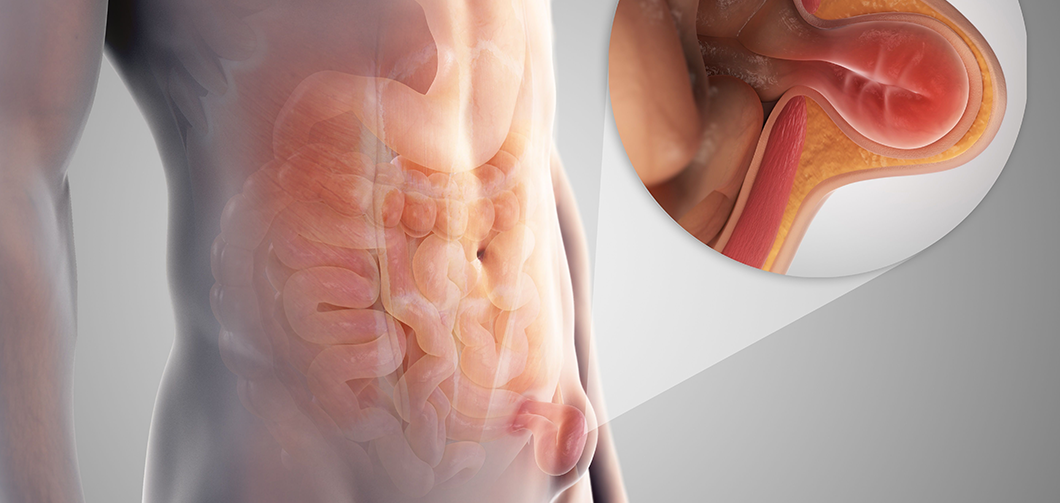
A hernia can begin as a small swelling, a mild dragging sensation, or a lump that appears only when you cough, stand, strain, or lift something heavy. Many patients ignore it in the early stage because the pain may not be constant. Over time, the swelling may increase, discomfort may become more frequent, and daily activities can start feeling difficult. This is why timely evaluation by an experienced hernia surgeon is important.
DrKumar hernia surgeon at Billroth Hospitals offers advanced laparoscopic hernia surgery, also known as keyhole hernia surgery, for different types of hernias. With years of focused surgical experience, DrKumar hernia specialist treats patients with inguinal hernia, umbilical hernia, ventral hernia, incisional hernia, femoral hernia, epigastric hernia, recurrent hernia, complex abdominal wall hernia, and selected hiatal hernias.
Laparoscopic hernia surgery is designed to repair the weakness in the abdominal wall through small cuts instead of a large open incision. For many patients, this means less pain, smaller scars, shorter hospital stay, faster return to routine work, and better comfort during recovery. The right technique, however, depends on the type of hernia, size of the defect, previous surgeries, patient health, and the strength of the surrounding abdominal wall. This is where the judgement of DrKumar hernia surgeon becomes valuable.
What Is a Hernia?
A hernia happens when an internal tissue or organ pushes through a weak area in the muscle or abdominal wall. The most common sign is a swelling or bulge. It may be painless in the beginning, but it often becomes more noticeable while coughing, standing, exercising, lifting weights, or straining during bowel movements.
A hernia does not heal on its own. Medicines may reduce pain or acidity in some related conditions, but they cannot close the defect in the abdominal wall. Once a hernia is diagnosed, surgery is usually the definitive treatment. DrKumar hernia specialist evaluates each patient carefully and explains whether immediate surgery is needed or whether surgery can be planned electively.
What Is Laparoscopic Hernia Surgery?
Laparoscopic hernia surgery is a minimally invasive operation performed through small keyhole cuts. A camera is inserted through one small opening, giving the surgeon a clear view of the hernia from inside. Fine surgical instruments are used through other small openings to reduce the hernia contents, repair the defect, and place a mesh when required.
The mesh acts like reinforcement for the weak area. It supports the abdominal wall and reduces the risk of recurrence when used in the right plane and fixed with proper technique. DrKumar hernia surgeon chooses the surgical plan based on the patient’s anatomy, hernia type, and long-term strength of repair.
Keyhole hernia surgery is commonly used for inguinal hernia, bilateral inguinal hernia, recurrent hernia after open repair, umbilical hernia, ventral hernia, incisional hernia, and selected complex hernias. In some cases, advanced methods such as eTEP, TAR, component separation, or abdominal wall reconstruction may be needed.
Why Patients Prefer Keyhole Hernia Surgery
Patients often choose laparoscopic hernia surgery because the recovery is usually smoother than traditional open surgery. The smaller cuts cause less tissue trauma, which can help reduce post-operative pain. Many patients are able to walk early, return home sooner, and gradually resume daily activities with proper medical advice.
Common benefits include:
- Small incisions and minimal visible scarring
- Less post-operative pain in many patients
- Faster return to walking and routine work
- Shorter hospital stay
- Better view of both groin areas in inguinal hernia cases
- Useful option for recurrent hernia after previous open surgery
- Potentially lower wound infection risk in suitable patients
DrKumar hernia specialist always explains that the best surgery is not the same for every patient. Some hernias are simple and straightforward. Others are large, recurrent, complicated, or associated with weak abdominal muscles. The aim is not only to close the hernia but to give the patient a safe, strong, and lasting repair.
Types of Hernia Treated by DrKumar Hernia Surgeon
Inguinal Hernia
An inguinal hernia appears in the groin region and is more common in men. It may cause a groin swelling, heaviness, discomfort while walking, or pain after standing for long periods. Laparoscopic inguinal hernia repair is often preferred when the patient has hernia on both sides, recurrence after open surgery, or wants a faster recovery with smaller scars.
DrKumar hernia surgeon may use techniques such as TEP or TAPP based on the patient’s condition. Both are keyhole approaches, but the choice depends on the anatomy, previous surgery, and the surgeon’s assessment.
Umbilical Hernia
An umbilical hernia appears near the navel. It is common after pregnancy, weight gain, long-term cough, constipation, or increased pressure inside the abdomen. Small umbilical hernias may look harmless, but they can enlarge over time. DrKumar hernia specialist evaluates whether laparoscopic repair with mesh is suitable, especially when the defect is larger or associated with weak surrounding tissues.
Ventral Hernia
A ventral hernia can occur anywhere in the front abdominal wall. It may happen due to muscle weakness, obesity, previous strain, or natural abdominal wall defects. Laparoscopic ventral hernia repair can help patients recover with less wound-related discomfort when compared with a large incision, especially in selected cases.
Incisional Hernia
An incisional hernia develops at the site of a previous surgery. It can occur months or years after an abdominal operation. These hernias need careful planning because the tissues may already be weak or scarred. DrKumar hernia surgeon treats incisional hernias with a focus on durable repair, mesh placement, and restoration of abdominal wall strength.
Recurrent Hernia
A recurrent hernia is a hernia that has returned after a previous repair. These cases require experience because the normal tissue planes may be altered. DrKumar hernia specialist studies the previous surgery, current defect, mesh status if known, and patient risk factors before deciding the best approach.
Complex Hernia and Abdominal Wall Reconstruction
Some patients come with large hernias, multiple defects, loss of domain, divarication of recti, or weakened abdominal wall muscles. These cases may need advanced hernia surgery techniques. DrKumar hernia surgeon has experience in complex hernia repair, including abdominal wall reconstruction, component separation, TAR, and eTEP in suitable patients.
When Does DrKumar Use the eTEP Technique?
The eTEP technique, or extended totally extraperitoneal repair, is an advanced method used in selected hernia cases. It allows the surgeon to work in a deeper layer of the abdominal wall and place the mesh in a strong anatomical plane without entering the abdominal cavity in many situations.
DrKumar hernia surgeon may consider eTEP for certain ventral hernias, incisional hernias, umbilical hernias, or complex abdominal wall hernias where a strong mesh repair is needed. It can be especially useful when the aim is to restore the abdominal wall rather than simply cover the defect.
Not every patient needs eTEP. Some hernias are better treated with standard laparoscopic repair, open repair, robotic repair, or abdominal wall reconstruction. DrKumar hernia specialist decides the method only after a detailed clinical examination and review of scans when required.
How DrKumar Plans Hernia Surgery
Good hernia surgery begins before the patient enters the operation theatre. DrKumar hernia surgeon first examines the swelling, checks whether it is reducible, asks about pain, bowel symptoms, cough, constipation, urinary difficulty, previous surgery, diabetes, smoking, weight changes, and work habits.
In some cases, an ultrasound or CT scan may be advised. This helps understand the size of the defect, number of defects, muscle quality, and relation to previous scars. For complex hernias, imaging is very important because the external swelling may not show the full picture.
After evaluation, DrKumar hernia specialist explains the type of hernia, the need for surgery, the suitable technique, expected recovery, possible risks, and precautions after surgery. Patients are also guided on weight control, cough treatment, constipation management, diabetes control, and lifestyle changes to reduce recurrence risk.
What Happens During Laparoscopic Hernia Surgery?
The surgery is usually performed under anaesthesia. Small keyhole cuts are made on the abdomen. A laparoscope, which is a thin camera, helps the surgeon see the hernia clearly on a monitor. The hernia contents are gently reduced. The weak area is repaired, and a mesh is placed when needed to reinforce the defect.
The mesh position is one of the most important parts of hernia surgery. A well-planned mesh repair gives strength to the abdominal wall and lowers the chance of the hernia coming back. DrKumar hernia surgeon pays attention to mesh size, mesh plane, fixation method, and safe handling of surrounding structures.
Once the repair is complete, the instruments are removed and the small cuts are closed. Most patients are encouraged to walk early after surgery, depending on their condition.
Recovery After Keyhole Hernia Surgery
Recovery varies from patient to patient. Many patients are able to walk on the same day or the next day. Mild pain, tightness, or pulling sensation can happen in the early days and usually improves with medicines and rest. The hospital stay is often short, but the exact duration depends on the hernia type, surgery performed, and patient health.
DrKumar hernia specialist gives clear instructions about wound care, diet, bathing, walking, office work, driving, exercise, and lifting weights. Patients are usually advised to avoid heavy lifting and sudden strain for a specific period. Ignoring these precautions can increase pressure on the repair and affect healing.
A smooth recovery also depends on controlling cough, constipation, obesity, diabetes, and smoking. Hernia surgery is not just about the operation. It is also about helping the body heal well.
Is Laparoscopic Hernia Surgery Safe?
Laparoscopic hernia surgery is a well-established and safe procedure when done for the right patient by an experienced hernia surgeon. Like any surgery, it has possible risks such as bleeding, infection, pain, seroma, mesh-related issues, recurrence, or injury to nearby structures. These risks are discussed before surgery.
The safety of the procedure depends on proper patient selection, surgical skill, good anaesthesia care, sterile technique, and post-operative follow-up. DrKumar hernia surgeon at Billroth Hospitals focuses on choosing the right technique for each patient rather than using one fixed approach for everyone.
Why Choose DrKumar Hernia Specialist for Laparoscopic Hernia Surgery?
Patients with hernia often search for a surgeon who can handle both simple and complex cases. DrKumar hernia specialist brings experience in laparoscopic hernia surgery, recurrent hernia repair, complicated hernia management, eTEP, TAR, component separation, and abdominal wall reconstruction.
What makes the consultation valuable is the personalised decision-making. A small inguinal hernia in a young working professional is different from a large incisional hernia in a patient with diabetes and previous surgeries. A recurrent hernia needs a different plan from a first-time umbilical hernia. DrKumar hernia surgeon studies these details before suggesting treatment.
The goal is to offer safe repair, faster recovery where possible, lower recurrence risk, and practical guidance that patients can follow after surgery.
When Should You Meet DrKumar Hernia Surgeon?
You should book a consultation if you notice a swelling in the groin, navel, or abdomen. You should also seek medical advice if the swelling increases while coughing, causes pain, becomes difficult to push back, or interferes with walking, work, or exercise.
Urgent medical care is needed if the hernia becomes very painful, hard, red, vomiting occurs, the abdomen becomes distended, or the swelling cannot be pushed back. These may be signs of obstruction or strangulation, which can become serious.
Early consultation with DrKumar hernia specialist can help avoid emergency situations and allow surgery to be planned safely.
Book a Consultation with DrKumar Hernia Surgeon
If you have been diagnosed with a hernia or suspect a hernia, do not wait for it to become larger or painful. Laparoscopic hernia surgery offers a safe and patient-friendly option for many types of hernia when done at the right time and with the right technique.
DrKumar hernia surgeon at Billroth Hospitals provides expert evaluation and advanced hernia repair options for simple, recurrent, and complex hernias. Book your consultation with DrKumar hernia specialist and take the first step toward relief from hernia discomfort and a stronger abdominal wall.
FAQs on Laparoscopic Hernia Surgery
Is laparoscopic hernia surgery painful?
Most patients have less pain after laparoscopic hernia surgery compared with open surgery because the cuts are smaller. Some discomfort, tightness, or pulling sensation is normal in the first few days. DrKumar hernia surgeon provides medicines and recovery instructions to keep the patient comfortable.
How long does it take to recover after keyhole hernia surgery?
Recovery depends on the type and size of hernia, the technique used, and the patient’s overall health. Many patients start walking early and return to light routine activities within a few days. Heavy lifting and strenuous exercise should be avoided until DrKumar hernia specialist advises it is safe.
Can all hernias be treated by laparoscopic surgery?
Many hernias can be treated with laparoscopic surgery, but not all. Very large, complicated, strangulated, or previously operated hernias may need a different approach. DrKumar hernia surgeon decides the best method after examination and imaging when required.
Will a mesh be used in laparoscopic hernia repair?
In most adult hernia repairs, mesh is used to strengthen the weak area and reduce recurrence risk. The type, size, and position of mesh depend on the hernia. DrKumar hernia specialist explains the need for mesh before surgery.
Can a hernia come back after surgery?
A hernia can recur after any type of repair, but the risk can be reduced with proper technique, suitable mesh placement, good healing, and lifestyle precautions. DrKumar hernia surgeon guides patients on weight control, avoiding strain, treating cough or constipation, and returning to activities safely.