Femoral Hernia

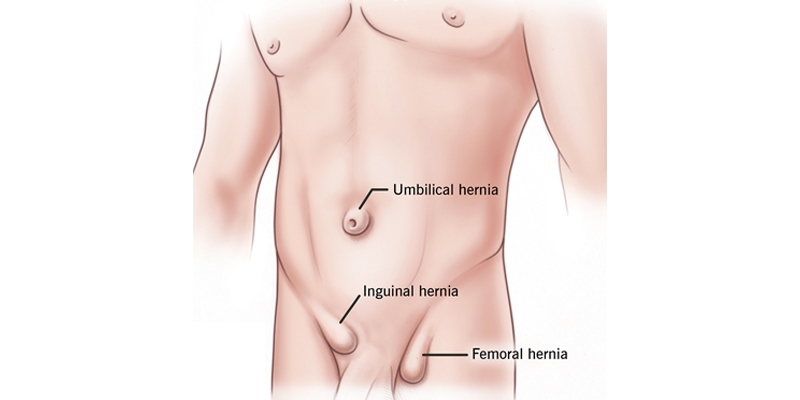
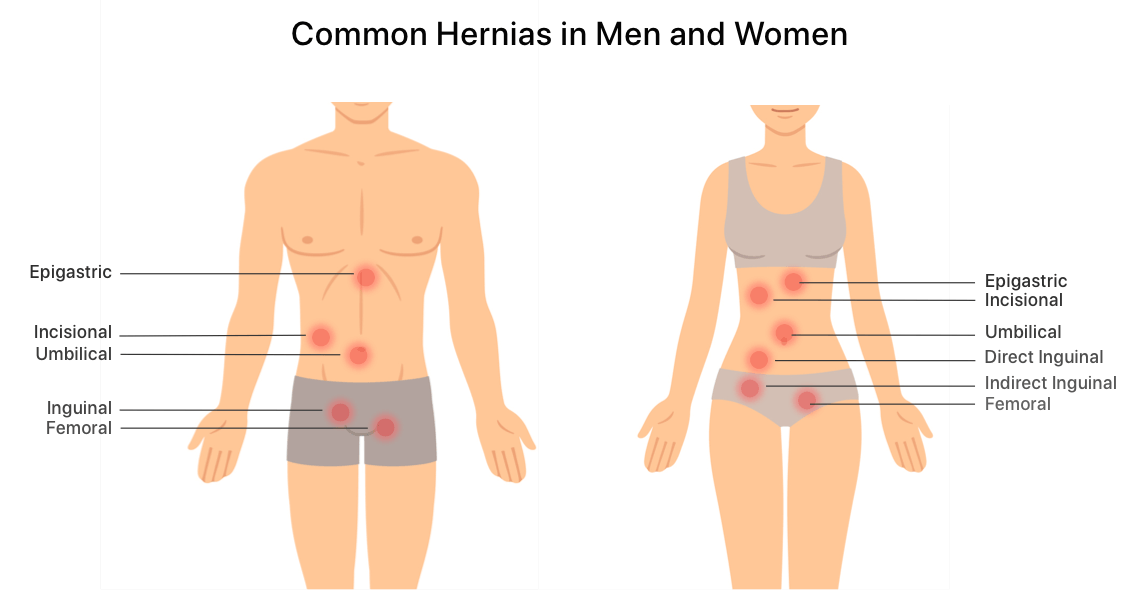
A femoral hernia is a type of hernia that occurs in the groin area where the femoral canal is located. It is more common in females, but it can also affect males. This type of hernia is less frequent compared to inguinal hernias, but it still requires medical attention and, if necessary, surgical repair.

Here’s a brief explanation of femoral hernias:

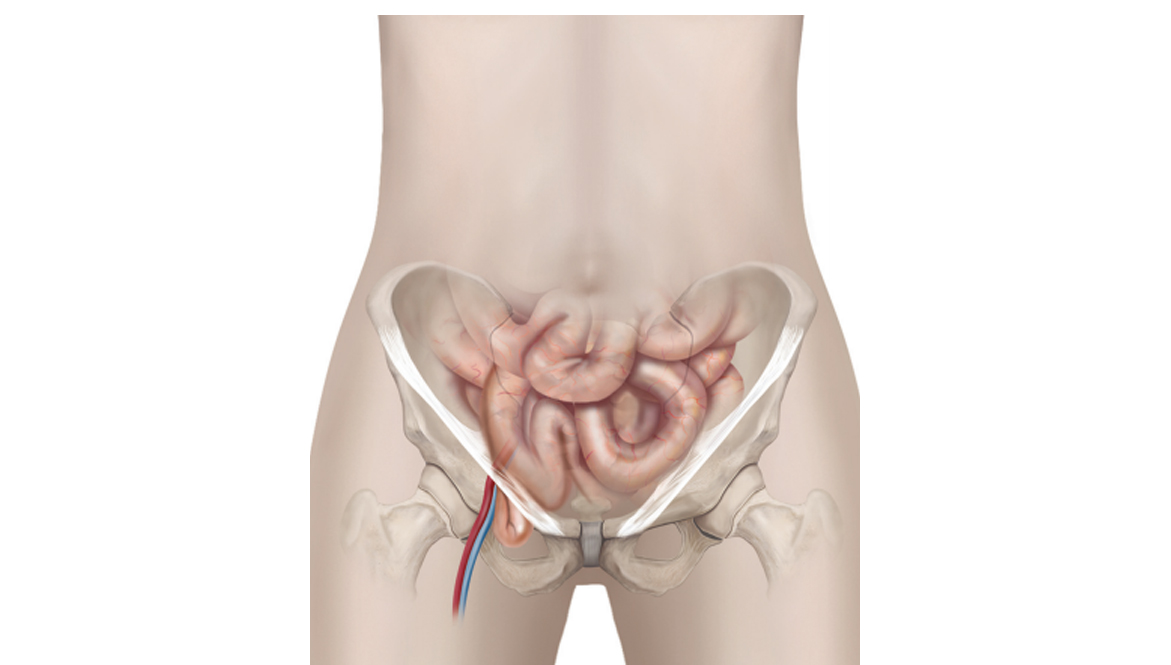
  1. Anatomy: The femoral canal is a passage in the lower abdomen located just below the inguinal ligament (a band of tissue that runs from the pubic bone to the anterior superior iliac spine). The femoral canal contains blood vessels, nerves, and lymphatics. In some cases, a weakness or opening may develop in the femoral canal’s lower wall, allowing abdominal contents to protrude through it.
  2. Causes: Femoral hernias often result from increased pressure in the abdomen, which can occur due to factors such as heavy lifting, straining during bowel movements, chronic coughing, obesity, pregnancy, or other conditions that cause increased intra-abdominal pressure.
  3. Symptoms: Common symptoms of a femoral hernia include a bulge or lump in the groin or upper thigh area, especially when standing or straining. The lump may be reducible, meaning it can be pushed back into the abdomen initially, but it may become incarcerated, where the herniated tissue becomes stuck and cannot be pushed back in. Incarceration can lead to severe pain and requires immediate medical attention. Strangulation, a more serious complication, occurs when the blood supply to the herniated tissue is compromised, leading to tissue damage and potentially life-threatening consequences.
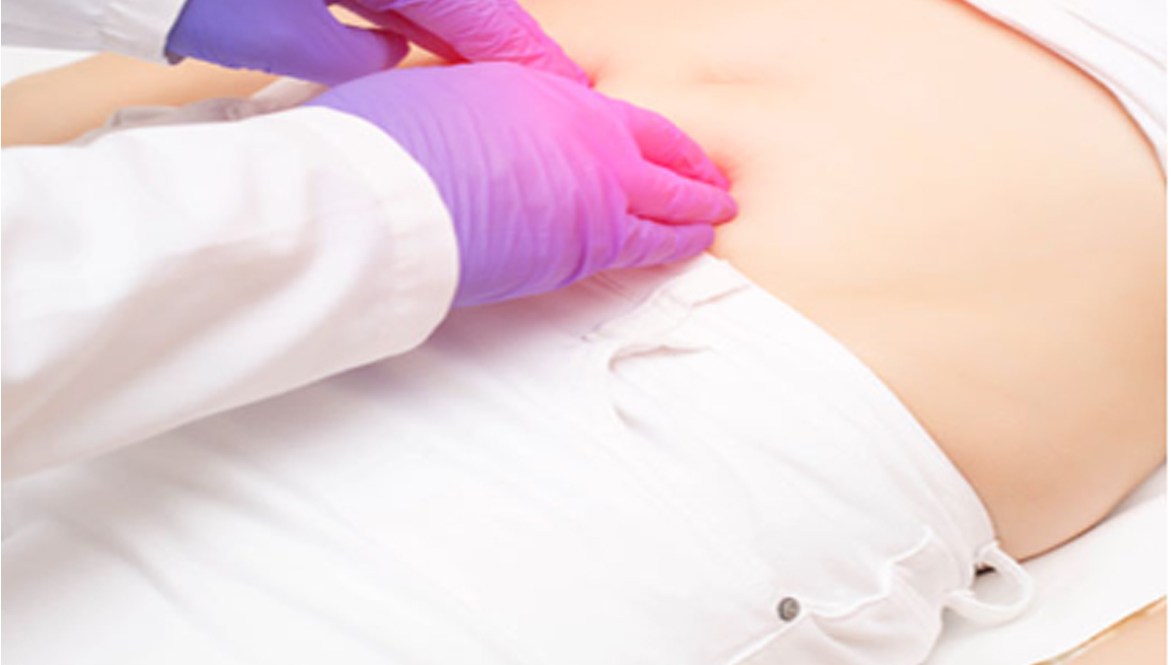
  4. Diagnosis: A healthcare professional can usually diagnose a femoral hernia through a physical examination. Sometimes, additional imaging tests, such as ultrasound or CT scan, may be performed to confirm the diagnosis or evaluate the hernia’s size and content.
  5. Treatment: The primary treatment for femoral hernias is surgical repair, especially if the hernia is causing symptoms or complications. As mentioned earlier, femoral hernia repair can be performed using open surgery or laparoscopic (minimally invasive) techniques. The choice of the surgical approach depends on various factors, as discussed in the previous response.

Femoral Hernia Repair

Femoral hernia repair is a surgical procedure performed to treat a femoral hernia, which occurs when a part of the abdominal contents (often the small intestine) protrudes through a weak point or defect in the abdominal wall near the femoral canal. This type of hernia is more common in females, hence the name “femoral hernia.”

Femoral hernia repair can be done using two main techniques:

  1. Open Surgery: In this traditional approach, the surgeon makes an incision near the hernia site and manually pushes the herniated tissue back into the abdomen. The weakened area in the abdominal wall is then reinforced using sutures or a mesh patch to prevent the hernia from recurring. The incision is then closed with stitches.
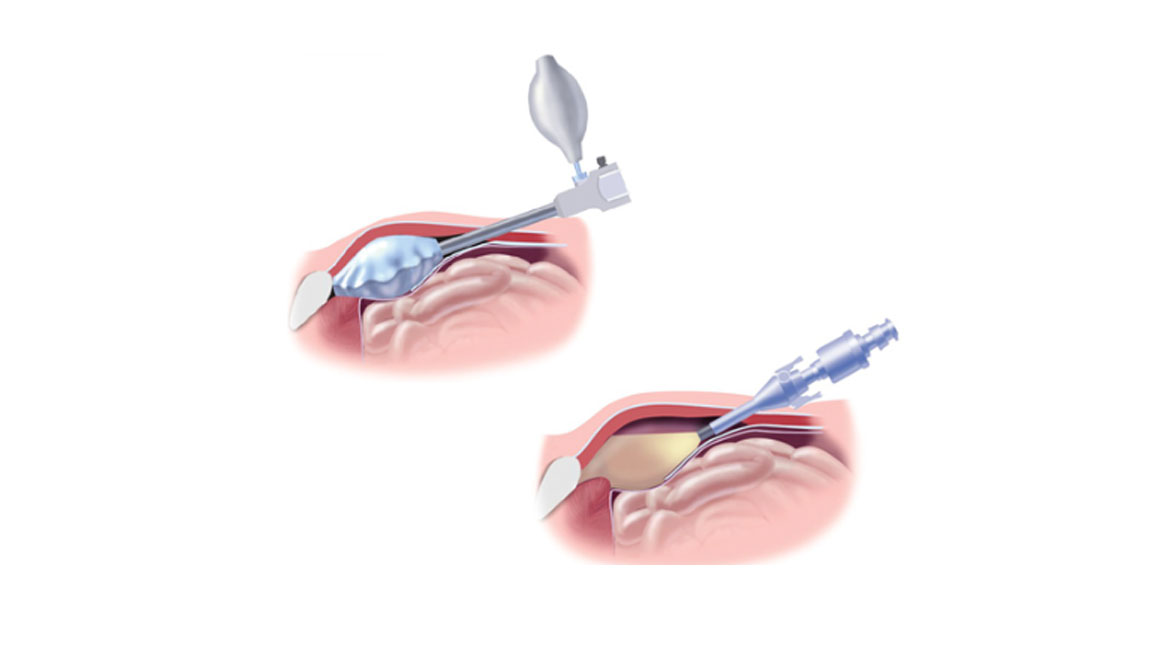
  2. Laparoscopic Surgery: This is a minimally invasive procedure where the surgeon makes small incisions and inserts a laparoscope (a thin, flexible tube with a camera) and specialized surgical instruments into the abdomen. The surgeon views the hernia and surrounding tissues on a video monitor and repairs the hernia using sutures or a mesh.

The choice of surgical technique depends on various factors, including the patient’s overall health, the size and complexity of the hernia, and the surgeon’s expertise. Laparoscopic surgery is generally associated with smaller incisions, less postoperative pain, and a quicker recovery compared to open surgery.

After the procedure, patients usually stay in the hospital for a brief period for observation and pain management. They are encouraged to gradually resume their normal activities but should avoid heavy lifting and strenuous exercises during the recovery period.

As with any surgery, there are potential risks and complications associated with femoral hernia repair, including infection, bleeding, recurrence of the hernia, and damage to nearby structures. However, the vast majority of femoral hernia repairs are successful, and patients experience relief from their symptoms after the surgery.

If you suspect you have a femoral hernia or are experiencing symptoms such as a bulge in the groin area, pain, or discomfort, it is essential to consult a healthcare professional for a proper evaluation and treatment recommendation. They will assess your condition and determine the most appropriate treatment approach for your specific case.
Hiatus hernia

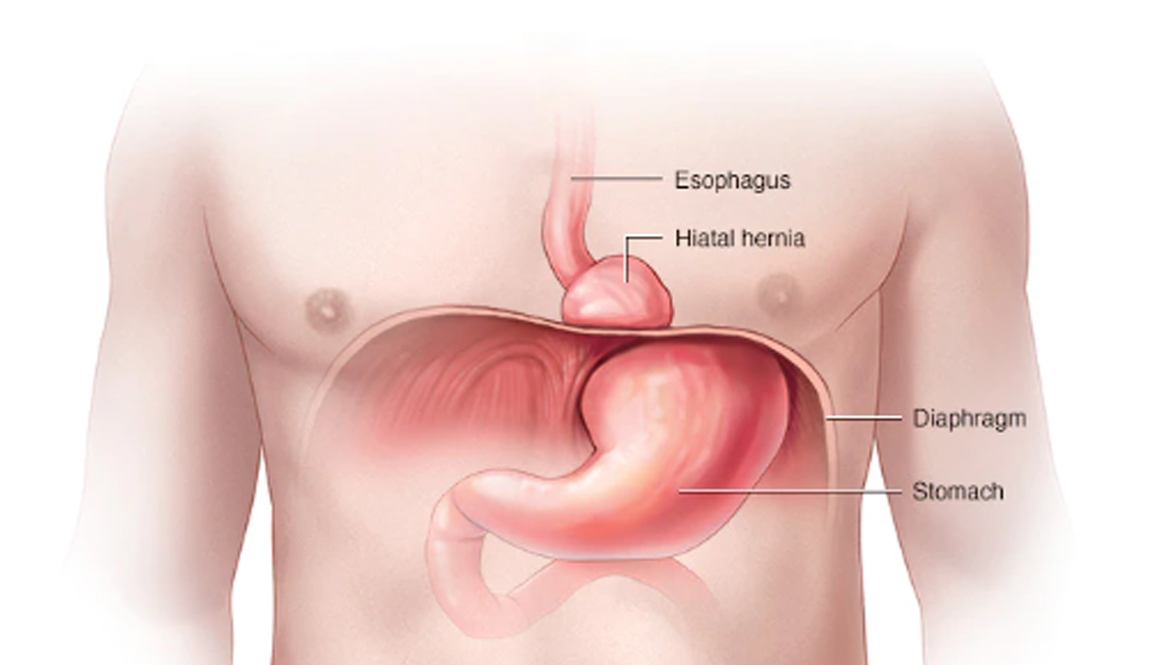
A hiatus hernia, also known as a hiatal hernia, is a medical condition that occurs when a part of the stomach pushes up through the diaphragm and into the chest cavity. To understand a hiatus hernia, it’s helpful to know a bit about the anatomy involved:

The diaphragm is a large muscle that separates the chest cavity (containing the lungs and heart) from the abdominal cavity (containing the stomach, liver, intestines, etc.). There is an opening in the diaphragm called the hiatus, through which the esophagus (the tube that carries food from the mouth to the stomach) passes.

In a hiatus hernia, part of the upper stomach squeezes through the hiatus and ends up in the chest cavity, above the diaphragm. This can happen for two primary reasons:

  1. Sliding Hiatus Hernia: This is the most common type. The junction between the esophagus and stomach (lower esophageal sphincter) and a portion of the stomach slide up into the chest when pressure in the abdominal cavity increases, such as during swallowing or straining.
  2. Paraesophageal Hiatus Hernia: In this less common type, a portion of the stomach squeezes through the hiatus and lies alongside the esophagus, without the esophagus itself moving. This type can sometimes be more concerning, as there is a risk of the herniated stomach becoming strangulated (twisted) and causing blood supply issues.

Hiatus hernias can be caused by various factors, including age-related changes in the diaphragm, increased pressure in the abdominal cavity due to pregnancy or obesity, chronic coughing, lifting heavy objects, or persistent straining during bowel movements.

A hiatus hernia, also known as a hiatal hernia, is a medical condition that occurs when a part of the stomach pushes up through the diaphragm and into the chest cavity. To understand a hiatus hernia, it’s helpful to know a bit about the anatomy involved:

The diaphragm is a large muscle that separates the chest cavity (containing the lungs and heart) from the abdominal cavity (containing the stomach, liver, intestines, etc.). There is an opening in the diaphragm called the hiatus, through which the esophagus (the tube that carries food from the mouth to the stomach) passes.

In a hiatus hernia, part of the upper stomach squeezes through the hiatus and ends up in the chest cavity, above the diaphragm. This can happen for two primary reasons:

  1. Sliding Hiatus Hernia: This is the most common type. The junction between the esophagus and stomach (lower esophageal sphincter) and a portion of the stomach slide up into the chest when pressure in the abdominal cavity increases, such as during swallowing or straining.
  2. Paraesophageal Hiatus Hernia: In this less common type, a portion of the stomach squeezes through the hiatus and lies alongside the esophagus, without the esophagus itself moving. This type can sometimes be more concerning, as there is a risk of the herniated stomach becoming strangulated (twisted) and causing blood supply issues.

Hiatus hernias can be caused by various factors, including age-related changes in the diaphragm, increased pressure in the abdominal cavity due to pregnancy or obesity, chronic coughing, lifting heavy objects, or persistent straining during bowel movements.

Complications of Untreated Hernia

An untreated hernia can lead to several complications that may worsen over time. A hernia occurs when an organ or tissue pushes through a weak spot in the surrounding muscle or connective tissue. While some hernias may not cause immediate problems, others can become serious if left untreated. Here are some potential complications of untreated hernias:

  1. Incarceration: A hernia can become incarcerated when its contents get trapped in the weak spot or hernia sac, leading to the inability to push the protruding tissue back into place. This can cause significant pain, swelling, and discomfort. Incarcerated hernias require immediate medical attention as they can progress to the next stage.
  2. Strangulation: Strangulation is the most severe and life-threatening complication of a hernia. It occurs when the blood supply to the trapped hernia contents is cut off, leading to tissue death (necrosis). Symptoms may include intense pain, nausea, vomiting, fever, and a discolored bulge. Strangulated hernias are medical emergencies that require prompt surgical intervention to prevent gangrene and sepsis.
  3. Obstruction: In some types of hernias, such as hiatal or inguinal hernias, the protruding tissue can obstruct the normal flow of food, fluids, or waste through the affected area. This can cause symptoms like severe abdominal pain, vomiting, and difficulty passing stools or gas. If the obstruction persists, it can lead to more severe complications.
  4. Infection: A hernia can become infected if bacteria enter the weakened tissue and multiply, leading to redness, warmth, tenderness, and fever around the hernia site. Untreated infections can spread and lead to abscess formation, which requires drainage and antibiotic treatment.
  5. Chronic pain: Untreated hernias can cause chronic pain and discomfort as the protruding tissue puts pressure on nearby nerves and tissues. This can lead to limitations in daily activities and a reduced quality of life.
  6. Growth and enlargement: Over time, some hernias may grow larger, making them more challenging to treat and increasing the risk of complications.
  7. Tissue damage: Continual pressure on the hernia can lead to damage to the protruding organ or tissue, potentially affecting its function.

It is essential to seek medical attention if you suspect you have a hernia. Most hernias will require surgical repair to prevent complications and improve the individual’s overall health and well-being. If you have a known hernia and experience severe pain, nausea, vomiting, or the inability to reduce the hernia, seek immediate medical attention, as these may indicate complications requiring urgent treatment.

Hernia is a common condition and can occur at any age.

Dr. Kumar has a vast experience of more than 23 years in the field of hernia surgery,gastro surgery ,gallbladder surgery ,laparoscopic surgery , Dr. Kumar explains what is hernia and how the latest treatments are more effective to bring back your normal routine.

Primary Causes of Hernia

The most common cause of hernias is muscle weakness. Some common instances are:

  • Aging
  • Smoking
  • Damages from a surgery or injury
  • Congenital conditions occurring in the womb
  • COPD (Chronic Obstructive Pulmonary Disorder)
  • Obesity or being overweight
  • Strenuous exercising
  • Multiple pregnancies
  • Chronic constipation
  • Fluid accumulation in the abdomen

Laparoscopic Hernia Surgery

Benefits of laparoscopic hernia surgery include:

Small incision 

Minimal pain 

Less scarring 

Faster recovery 

Shorter hospital stay

Procedure  of laparoscopic hernia surgery:

A surgical procedure is performed under the influence of general anaesthesia. 

It involves the use of a laparoscope, which is a long flexible instrument that can be inserted inside the body by making a small incision near the belly button. 

Once the instrument is inside, it can be used for a detailed examination of the concerned area. 

A surgical camera that is used during the procedure helps to generate the images on an enlarged screen

The abdominal cavity is filled with carbon dioxide gas, to inflate it for better vision. 

This is followed by carefully cutting the peritoneum for exposing the underlying abdominal wall. 

A small mesh is then used to cover the defective part of the abdominal wall and prevent further protrusion.

Best Hospital for Hernia Surgery in Chennai

Hernia is a medical situation where a part of the internal organs thrusts through the surrounding muscle or tissue. It can cause uneasiness, pain, and sometimes even life-threatening complications if left untreated. Luckily, hernia surgery is a common and effective way to treat this condition.

If you are looking for the best hernia surgeon in Chennai, then Gastro  Hospital is the right choice for you.

Call Now Button