
AWR is designed to provide a strong and durable repair. While no surgery guarantees zero recurrence, advanced techniques used in laparoscopic and robotic AWR significantly reduce the chances of the hernia returning.

- DR KUMAR- BILLROTH HOSPITAL
Why Robotic AWR Surgery Is Transforming Complex Hernia Treatment
Hernia treatment has evolved significantly over the years. While many hernias can be treated with standard repair techniques, some cases are far more challenging. These are known as complex hernias and often require a specialized approach called Abdominal Wall Reconstruction (AWR).


15000+


Happy Patient
With advancements in surgical technology, robotic AWR surgery is changing how these complex cases are treated. It offers better precision, faster recovery, and improved outcomes compared to traditional methods. For patients dealing with recurrent, large, or complicated hernias, this modern approach is making a real difference.
Robotic AWR Surgery Is Transforming Complex Hernia Treatment
What Is a Complex Hernia?
A hernia develops when an internal organ or tissue bulges out through a weakened area in the abdominal wall. While small hernias are easier to treat, complex hernias present additional challenges.
A hernia is considered complex when:
- It is very large or long-standing
- It has come back after previous surgery
- There is muscle weakness or loss of abdominal wall strength
- There are infections or poor wound healing
- It is associated with conditions like obesity or multiple surgeries
Such cases require more than a simple repair. They need reconstruction of the abdominal wall, which is where AWR becomes essential.
What Is Abdominal Wall Reconstruction (AWR)?
Abdominal Wall Reconstruction is an advanced surgical procedure used to rebuild and strengthen the abdominal wall. It is not just about closing a defect. It involves restoring function, structure, and stability.
AWR may include:
- Repositioning muscles
- Strengthening the abdominal wall with mesh
- Releasing tight muscle layers for better closure
- Correcting previous failed repairs
This procedure can be performed using three main approaches:
- Laparoscopic surgery
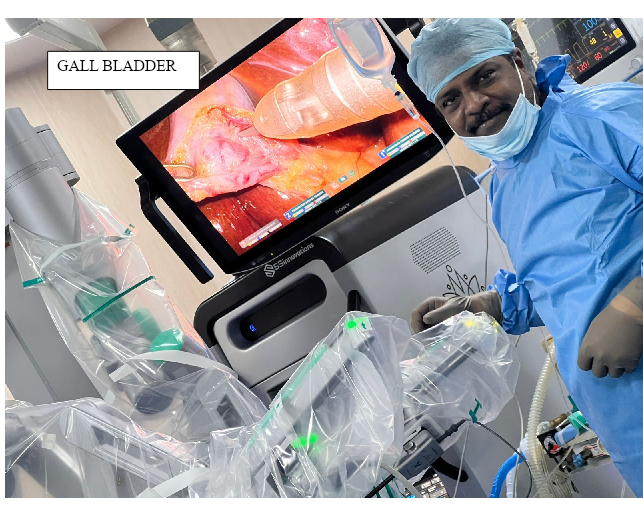
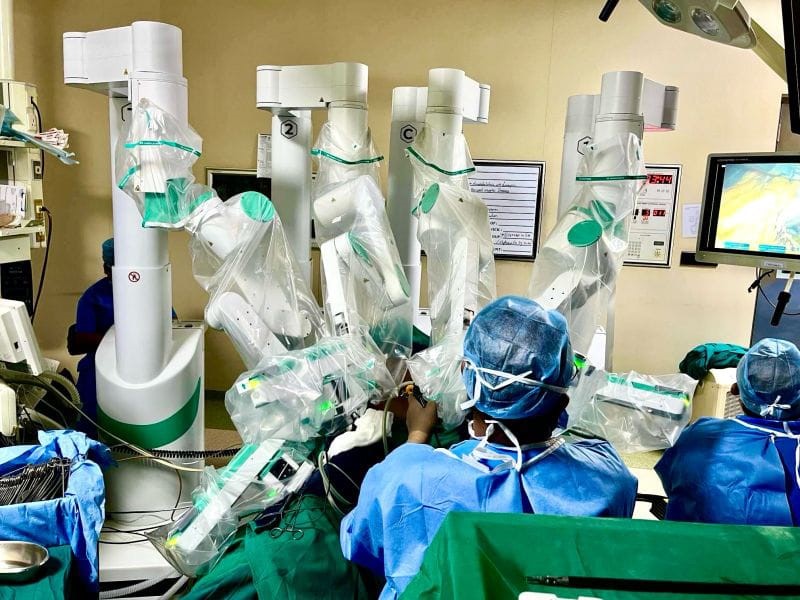
- Robotic surgery
- Open surgery
Today, there is a clear shift towards minimally invasive techniques, especially robotic surgery, for better outcomes in complex cases.
Evolution of Hernia Surgery: From Open to Robotic
Open Surgery
Open surgery was the traditional method for hernia repair. It involves a larger incision, direct access to the hernia, and manual repair. While it is still useful in certain situations, it comes with:
More post-operative pain
- Longer hospital stay
- Higher risk of infection
- Slower recovery
Laparoscopic Surgery
Laparoscopic surgery brought a major improvement. It uses small incisions and a camera to perform the surgery. Benefits include:
Less pain
- Faster recovery
- Smaller scars
- Reduced complications
Robotic Surgery
Robotic surgery takes laparoscopic techniques to the next level. It gives the surgeon enhanced control, precision, and visualization. This is especially important in AWR, where accuracy is critical.
Who Needs Robotic AWR Surgery?
By the second week, many patients feel significantly better.
Most can comfortably perform:
- Office work
- Short drives
- Light household activities
- Gentle outdoor walking
Patients who underwent minimally invasive surgery often regain confidence quickly during this stage.
Although you may feel well, internal healing is still taking place.
Avoid lifting heavy objects unless your surgeon advises otherwise.
This period is often when patients ask How long does hernia recovery take because they feel almost normal.
The answer depends on the body’s internal healing rather than simply how you feel.
Role of Advanced Pre-Operative Techniques
In complex hernia cases, preparation is just as important as surgery. Modern AWR may involve:
Botox injections to relax abdominal muscles
Progressive Pneumoperitoneum (PPP) to prepare the abdominal cavity
These methods improve surgical outcomes and make closure easier, especially in large hernias.
Recovery After Robotic AWR Surgery
Recovery after robotic AWR is generally smoother compared to open surgery.
Hospital stay is usually a few days
Pain is manageable with medication
Light activities can begin within a week
Full recovery may take a few weeks
Patients are advised to avoid heavy lifting and follow post-operative guidance carefully to ensure proper healing.
Why Robotic AWR Surgery Is a Game Changer
Robotic AWR is not just another technique. It represents a major step forward in treating complex hernias.
Better Precision and Control
Robotic systems provide a high-definition 3D view of the surgical area. The instruments move with greater flexibility than the human hand. This allows the surgeon to perform delicate steps with accuracy.
In complex hernias, where tissues are scarred or distorted, this precision makes a significant difference.
Improved Muscle Reconstruction
A key part of AWR is restoring the abdominal wall structure. Robotic surgery allows better handling of muscle layers and advanced techniques like:
- TAR (Transversus Abdominis Release)
- eTEP (Extended Totally Extraperitoneal Repair)
These techniques help achieve strong and durable repairs with better functional outcomes.
Smaller Incisions, Less Pain
Robotic AWR is minimally invasive. It uses small incisions instead of large cuts. This results in:
Reduced pain after surgery
- Minimal blood loss
- Lower risk of wound complications
Patients are more comfortable during recovery compared to open surgery.
Faster Recovery and Shorter Hospital Stay
Most patients who undergo robotic AWR recover faster. They can:
Start walking earlier
- Resume daily activities sooner
- Return to work in a shorter time
Hospital stay is usually shorter compared to open procedures.
Lower Risk of Complications
Robotic surgery reduces the chances of:
Infection
- Hernia recurrence
- Wound-related issues
This is particularly important in patients with previous failed surgeries or large hernias.
Better Outcomes in Complex Cases
Complex hernias often involve multiple challenges such as scar tissue, weak muscles, and large defects. Robotic AWR allows surgeons to address these issues effectively, leading to better long-term results.
Laparoscopic vs Robotic vs Open AWR Surgery
Understanding the difference helps patients make informed decisions:
| Approach | Key Features | Recovery | Best Use |
| Laparoscopic | Minimally invasive, small incisions | Fast | Moderate to complex hernias |
| Robotic | High precision, 3D vision, advanced control | Faster | Complex and recurrent hernias |
| Open | Traditional method, large incision | Slower | Very large or complicated cases when required |
While all three approaches have their place, laparoscopic and robotic methods are preferred whenever feasible, with robotic surgery offering added advantages in complex AWR.
Dr Kumar’s Approach to AWR at Billroth Hospitals
At Billroth Hospitals, we focus on delivering advanced and patient-centered care for complex hernia cases.
Under the expertise of Hernia Specialist Dr. Kumar, we specialize in laparoscopic and robotic AWR surgery, ensuring that patients receive the most effective and least invasive treatment possible. With over 29 years of experience and thousands of successful surgeries, we handle even the most challenging hernia cases with confidence.
Dr Kumar routinely perform advanced techniques such as TAR, eTEP, and abdominal wall reconstruction using modern technology. Our approach also includes pre-operative optimization methods like Botox and PPP for better outcomes in large hernias.
Our goal is simple. Provide safe surgery, faster recovery, and long-term results while keeping patient comfort and safety as the top priority.
Conclusion
Complex hernias require more than routine treatment. They need expertise, planning, and the right surgical approach and a Hernia Specialist like Dr Kumar. Abdominal Wall Reconstruction has become the standard for managing these cases, and robotic surgery is taking it further.
With better precision, reduced pain, faster recovery, and improved long-term outcomes, robotic AWR is transforming how complex hernias are treated today.
For patients, this means safer surgery, quicker return to normal life, and a more reliable solution to a challenging condition.
Frequently Asked Questions
AWR (Abdominal Wall Reconstruction) is an advanced procedure used to repair complex hernias. It is needed when the hernia is large, recurrent, or associated with weak abdominal muscles, previous failed surgeries, or loss of domain.
Robotic AWR offers better precision and control compared to laparoscopic surgery and is less invasive than open surgery. It usually results in less pain, faster recovery, and improved outcomes, especially in complex hernia cases.
Most patients recover faster after robotic AWR compared to open surgery. Light activities can begin within a week, while full recovery may take a few weeks depending on the complexity of the hernia.
Yes, AWR surgery is safe when performed by an experienced surgeon. Robotic and laparoscopic approaches further reduce risks such as infection, complications, and recurrence compared to traditional open surgery.