
You should seek medical evaluation if you notice persistent groin pain, swelling, a lump, or symptoms that interfere with daily activities. Early treatment usually leads to better outcomes.

- DR KUMAR- BILLROTH HOSPITAL
What Does an Inguinal Hernia Feel Like in the Early Stage?
Most people expect a hernia to announce itself with a large, obvious bulge. In reality, that is rarely how the condition begins.
For many patients, an Inguinal Hernia starts with subtle discomfort that is easy to dismiss. A slight pulling sensation in the groin. Mild pressure after standing for long hours. A feeling that something is not quite right when lifting heavy objects. Because these symptoms often come and go, many people delay seeking medical advice until the condition becomes more noticeable.


15000+


Happy Patient
Understanding what an Inguinal Hernia feels like in its earliest stage can help you recognize the warning signs before complications develop. Early diagnosis often means a smoother recovery, more treatment options, and less disruption to your daily life.
At Dr Kumar at Billroth Hospitals, patients frequently share the same concern: “I felt something unusual for months, but I wasn’t sure it was serious enough to get checked.”
If that sounds familiar, this guide will help you understand what to watch for.
Understanding an Inguinal Hernia
An Inguinal Hernia occurs when tissue, usually part of the intestine or abdominal fat, pushes through a weak area in the lower abdominal wall near the groin.
It is one of the most common types of hernias and affects men more frequently than women. However, women can also develop inguinal hernias and should never ignore persistent groin discomfort.
The condition may develop gradually over time or appear after activities that increase abdominal pressure, such as:
>> Heavy lifting
>> Chronic coughing
>> Strenuous exercise
>> Obesity
>> Repeated straining during bowel movements
>> Pregnancy
The challenge is that early symptoms are often vague, which is why many patients overlook them.
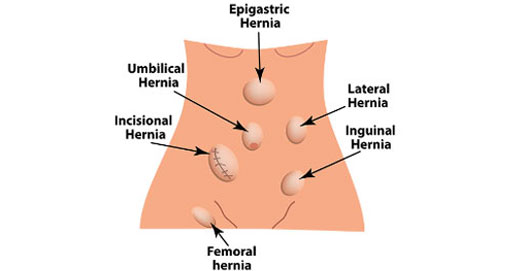
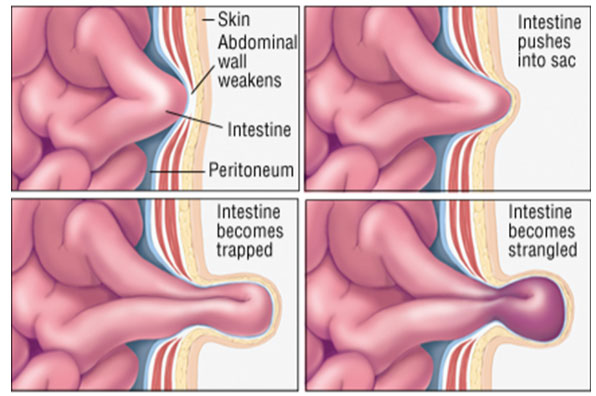
What Does an Inguinal Hernia Feel Like Initially?
In the beginning, the sensation is usually more discomfort than pain.
Patients often describe it as:
>> A pulling feeling in the groin
>> Mild heaviness in the lower abdomen
>> Pressure while standing
>> A slight burning sensation
>> Tightness near the groin crease
>> Occasional discomfort after physical activity
These sensations may disappear when lying down and return after prolonged standing or exertion.
Because the symptoms fluctuate, many individuals assume they have strained a muscle or overworked themselves.
Unfortunately, hernias do not heal on their own. They typically enlarge over time if left untreated.
DR KUMAR’S PATIENT- CENTRIC APPROACH
Dr Kumar believes every patient deserves personalized care and clarity before surgery. From diagnosis to recovery, his team ensures:
* Transparent consultation
* Individualized treatment plans
* Dedicated pre- and post-surgical support
Early Signs Most People Ignore
One reason patients delay treatment is that early symptoms can seem harmless.
Some of the most common warning signs include:
A Feeling of Weight or Fullness
Many patients report a sensation of heaviness in the groin, especially toward the end of the day.
It may feel as though something is dragging or pulling internally.
Discomfort After Physical Activity
Pain often appears after:
>> Gym workouts
>> Running
>> Lifting objects
>> Climbing stairs
>> Long periods of standing
The discomfort typically improves with rest.
Groin Pressure During Coughing
Coughing, sneezing, or laughing may trigger a sharp sensation in the groin area.
This occurs because abdominal pressure temporarily increases.
Intermittent Swelling
The swelling may appear only during activity and disappear afterward.
Many patients fail to connect this temporary swelling with a hernia.
Lower Abdominal Pain and Groin Lump
One of the classic signs is a combination of lower abdominal pain and groin lump. The lump may be small initially and visible only during standing, coughing, or straining.
Over time, it often becomes more noticeable.
Can You Have an Inguinal Hernia Without a Bulge?
Absolutely.
Many patients experience an inguinal hernia without visible bulge during the early stage.
This surprises people because they often associate hernias exclusively with a visible protrusion.
In reality, the weakness in the abdominal wall may develop before enough tissue pushes through to create an obvious lump.
Symptoms may include:
>> Groin discomfort
>> Intermittent aching
>> Pressure sensations
>> Burning feelings
>> Pain after exertion
This is one reason why professional evaluation is important even when no visible swelling exists.
Early Signs of Inguinal Hernia in Men
Although women can develop inguinal hernias, men are significantly more affected.
The early signs of inguinal hernia in men often include:
>> Groin heaviness
>> Pain during lifting
>> Swelling around the groin
>> Discomfort after prolonged standing
>> Pressure extending into the scrotal area
>> Burning sensations near the groin crease
Men who regularly perform manual labor or strength training should pay particular attention to these symptoms.
At Dr Kumar Hernia Specialist services, many male patients seek consultation after months of assuming their symptoms were caused by muscle strain.
When Does the Pain Become More Noticeable?
As the hernia enlarges, symptoms often become more frequent.
Patients may begin experiencing:
>> Persistent groin pain
>> Increased swelling
>> Difficulty exercising
>> Discomfort while walking
>> Pain during bending
>> Trouble standing for long periods
At this stage, daily activities become increasingly affected.
The good news is that treatment remains highly effective when performed before complications occur.
When Should You See a Hernia Specialist?
Any persistent groin discomfort deserves medical evaluation.
Seek medical attention if you notice:
>> A lump in the groin
>> Recurrent groin pain
>> Swelling that worsens during activity
>> Pressure sensations in the lower abdomen
>> Symptoms lasting more than a few weeks
Consulting an experienced best inguinal hernia surgeon early can prevent unnecessary discomfort and reduce the risk of emergency situations later.
Can an Inguinal Hernia Become Dangerous?
Yes.
While many hernias progress slowly, some can lead to serious complications.
These include:
Incarcerated Hernia
The protruding tissue becomes trapped and cannot return to its normal position.
Strangulated Hernia
Blood supply to the trapped tissue becomes restricted.
This is a medical emergency and may cause:
>> Severe pain
>> Nausea
>> Vomiting
>> Fever
>> Redness around the bulge
>> Prompt treatment is essential in such cases.
Inguinal Hernia Symptoms and Treatment
Understanding inguinal hernia symptoms and treatment helps patients make informed decisions.
Common symptoms include:
>> Groin pain
>> Pressure sensation
>> Visible lump
>> Burning discomfort
>> Swelling during activity
>> Heaviness in the lower abdomen
Treatment depends on the severity of symptoms and the size of the hernia.
Unlike some temporary conditions, a hernia does not repair itself.
Surgery remains the definitive treatment.
Modern Surgical Options Available Today
One of the biggest misconceptions is that hernia surgery always involves a large incision and lengthy recovery.
Modern surgical techniques have transformed patient outcomes.
Laparoscopic Hernia Repair
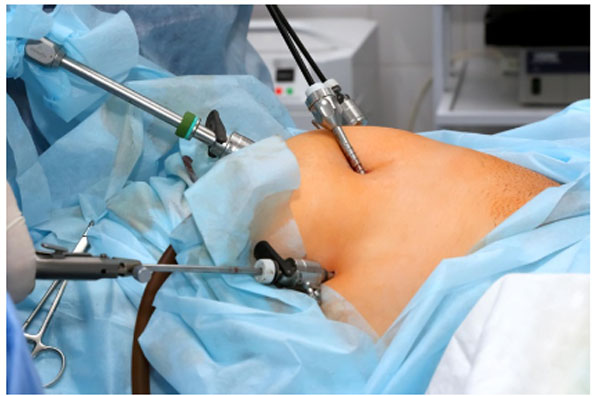
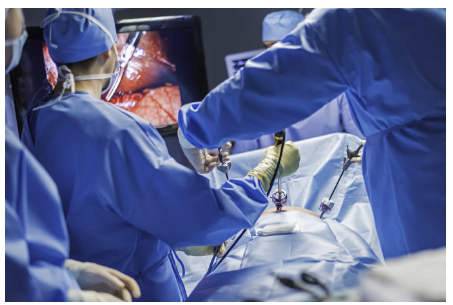
Laparoscopic surgery uses small incisions and specialized instruments.
Benefits include:
>> Reduced pain
>> Faster recovery
>> Smaller scars
>> Earlier return to work
>> Lower risk of complications
Dr Kumar Hernia Surgeon frequently utilizes advanced laparoscopic techniques for suitable patients.
Robotic Hernia Repair
Robotic surgery represents one of the most advanced approaches available today.
As a laparoscopic and robotic surgeon, Dr Kumar places significant emphasis on robotic hernia repair whenever appropriate.
Benefits include:
>> Exceptional surgical precision
>> Enhanced visualization
>> Reduced tissue trauma
>> Faster recovery
>> Improved patient comfort
Many patients are surprised by how quickly they return to normal activities after robotic surgery.
Open Hernia Repair
Open surgery remains an effective option in selected cases, particularly for large, recurrent, or complex hernias.
The best surgical approach depends on individual patient factors, clinical findings, and overall health.
Why Patients Choose Dr Kumar at Billroth Hospitals
When dealing with a hernia, experience matters.
Patients seeking the best inguinal hernia surgeon often look for:
>> Specialized expertise
>> Advanced surgical techniques
>> Consistent outcomes
>> Personalized treatment plans
>> Comprehensive follow-up care
Dr Kumar Hernia Specialist focuses extensively on laparoscopic and robotic hernia procedures, helping patients achieve faster recovery and long-term relief.
Every treatment plan is tailored to the patient’s condition, lifestyle, and goals.
What About Other Types of Hernias?
Many patients diagnosed with one hernia type are curious about others as well.
For example, individuals researching inguinal hernias often ask about umbilical hernia surgery in Chennai.
Umbilical hernias occur near the belly button and may require similar surgical principles, including laparoscopic and robotic approaches depending on the clinical scenario.
A comprehensive evaluation helps determine the most appropriate treatment strategy for every type of hernia.
Final Thoughts
The early stage of an Inguinal Hernia rarely causes dramatic symptoms. Instead, it often begins with subtle warning signs such as groin heaviness, pressure, mild pain, or intermittent swelling.
Ignoring these symptoms can allow the condition to progress, making treatment more complicated and increasing the risk of complications.
If you are experiencing groin discomfort, a feeling of pressure, or a suspicious lump, an early evaluation can provide clarity and peace of mind.
At Dr Kumar at Billroth Hospitals, patients benefit from advanced laparoscopic and robotic hernia treatment options designed to deliver excellent outcomes with quicker recovery.
The sooner an inguinal hernia is identified, the easier it is to treat and the sooner you can return to your normal routine with confidence.
Frequently Asked Questions
The earliest symptoms often include groin heaviness, mild discomfort, pressure in the lower abdomen, and pain after lifting, coughing, or prolonged standing.
Yes. An inguinal hernia without visible bulge is common in the early stages. Many patients experience pain or pressure before a lump develops.
Not always. Early-stage hernias often cause intermittent discomfort that worsens during physical activity and improves with rest.
Surgery is the definitive treatment. Depending on the case, laparoscopic, robotic, or open hernia repair may be recommended.