

Hernia surgery often raises many questions in a patient’s mind. How long will the recovery take? Will there be pain? When can normal life resume? These concerns are completely natural. Patients who undergo hernia repair want reassurance that they are making the right decision and that recovery will be smooth.
WithDr Kumar– Billroth Hospital ,the Best Inguinal Hernia Surgeon,in Chennai, patients frequently ask these questions before surgery.The most important part of treatment is not only performing the surgery correctly but also guiding the patient through a safe and comfortable recovery.
Inguinal hernia repair has advanced significantly in recent years. Modern techniques such as laparoscopic and robotic surgery have transformed the experience for patients. These minimally invasive procedures often result in smaller incisions, less pain, and faster healing compared to traditional open surgery.
In this guide, Dr. Kumar shares practical insights that help patients reduce discomfort and heal faster after surgery.
Understanding Inguinal Hernia
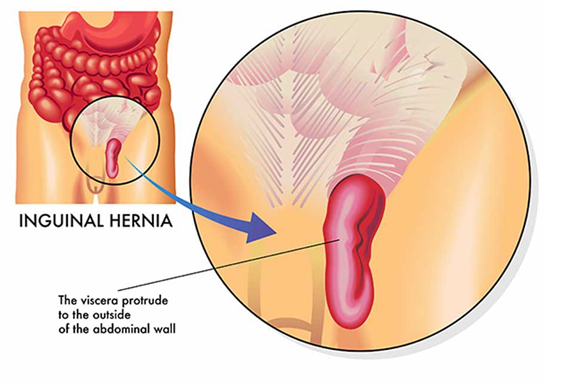
An inguinal hernia occurs when tissue pushes through a weak spot in the abdominal muscles in the groin area. It often appears as a small bulge that may increase while coughing, lifting, or standing for long periods.
Many patients live with this condition for years before seeking treatment. Over time, the bulge may grow and discomfort can increase. Surgery remains the most effective solution because the muscle weakness does not heal on its own.
When patients consult the best inguinal hernia surgeon, they are typically advised on the most suitable surgical technique depending on factors such as the size of the hernia, the patient’s health, and previous surgical history.
Surgical Options for Inguinal Hernia Repair
One of the most important decisions during treatment is selecting the right surgical approach. Dr. Kumar emphasizes three commonly used techniques.
1. Laparoscopic Inguinal Hernia Surgery
Laparoscopic surgery is a minimally invasive procedure that uses small incisions and a tiny camera to repair the Inguinal hernia. A surgical mesh is placed to strengthen the abdominal wall.
Benefits often include:
- Smaller scars
- Reduced postoperative discomfort
- Faster return to work and daily activities
- Lower risk of wound complications
Because of these advantages, Laparoscopic Inguinal Hernia repair is widely preferred when suitable for the patient.
2. Robotic Inguinal Hernia Surgery
Robotic surgery represents the latest advancement in minimally invasive hernia repair. It allows surgeons to operate using robotic instruments that offer exceptional precision and flexibility.
Advantages include:
- Greater surgical accuracy
- Improved visualization of delicate tissues
- Less strain on surrounding muscles
- Faster recovery in many cases
Dr. Kumar has extensive experience in Robotic inguinal hernia repair and often recommends it when patients are suitable candidates.
3. Open Inguinal Hernia Surgery
Open surgery is the traditional approach and may still be recommended in certain situations. This method involves a larger incision in the groin to repair the hernia directly.
Open surgery may be considered when:
- The hernia is very large
- There are previous abdominal surgeries
- The patient has specific medical conditions,not fit for general anesthesia
Although recovery may take slightly longer compared to minimally invasive techniques, open surgery remains a safe and reliable method.
What Happens Immediately After Surgery
Recovery begins the moment the procedure is completed. Patients are usually monitored in the recovery room before being moved to a ward or discharged the same day depending on the surgical approach.
Most patients feel mild to moderate discomfort in the first few days. This is completely normal and gradually improves with time.
Common early experiences include:
- Mild swelling in the groin area
- Tightness around the surgical site
- Slight fatigue for a few days
These symptoms usually settle quickly when patients follow proper inguinal hernia recovery tips.
Pain After Inguinal Hernia Surgery
One of the most common concerns patients have is pain after inguinal hernia surgery. The level of discomfort can vary depending on the surgical technique used.
Patients who undergo laparoscopic or robotic repair often report less pain compared to open surgery because the incisions are smaller.
Dr. Kumar explains that postoperative pain usually improves significantly within the first week. Pain medications and proper rest help patients stay comfortable during this period.
If pain persists or worsens, patients should contact their surgeon immediately for evaluation.
Inguinal Hernia Healing Time
Recovery timelines differ from person to person. Several factors influence the inguinal hernia healing time, including age, health condition, and the surgical technique used.
Typical recovery timelines include:
- 3 to 5 days: Light walking and gentle movement
- 1 to 2 weeks: Return to light daily activities
- 3 to 4 weeks: Gradual return to work for many patients
- 6 weeks: Full recovery for most individuals
Patients who undergo laparoscopic or robotic surgery often recover faster.
Following proper hernia recovery doctor advice can make a significant difference during this period.
Dr. Kumar’s Practical Inguinal Hernia Recovery Tips
Recovery does not depend only on surgery. Patient participation is equally important. Here are some practical inguinal hernia recovery tips that Dr. Kumar shares with his patients.
Start Walking Early
Gentle walking improves blood circulation and prevents stiffness. Patients are encouraged to begin short walks within a day of surgery.
Movement also reduces the risk of complications such as blood clots.
Avoid Heavy Lifting
The abdominal muscles need time to heal. Lifting heavy objects too soon can strain the repair and increase discomfort.
Most patients are advised to avoid lifting anything heavier than 5 kilograms for several weeks.
Support the Surgical Area
Simple actions like coughing or sneezing may cause temporary discomfort. Supporting the surgical site with your hand or a small pillow can help reduce pressure.
Maintain a Healthy Diet
A balanced diet plays an important role in recovery. Foods rich in protein, vitamins, and fiber support tissue healing and prevent constipation.
Constipation can increase abdominal pressure and should be avoided during recovery.
Follow Medication Instructions Carefully
Pain medications and antibiotics are prescribed to support recovery. Patients should take them exactly as instructed.
Stopping medications too early or skipping doses can slow healing.
Keep the Surgical Area Clean
Proper wound care reduces the risk of infection. Patients should follow the instructions provided by their surgeon regarding bathing and dressing changes.
Attend Follow Up Visits
Follow up appointments allow the surgeon to check healing progress and address any concerns. These visits are an important part of the recovery journey.
Patients who follow their surgeon’s hernia recovery doctor advice often recover faster and more comfortably.
When Should You Contact Your Surgeon
While complications are uncommon, patients should be aware of warning signs that require medical attention.
These include:
- Severe or worsening pain
- High fever
- Persistent swelling or redness
- Nausea or vomiting
- Difficulty passing urine
Early medical evaluation helps prevent complications and ensures safe recovery.
Why Surgeon Expertise Matters
Hernia repair may seem like a routine procedure, but surgical skill plays a major role in long term outcomes.
Patients who choose the best inguinal hernia surgeon benefit from:
- Accurate diagnosis
- Proper selection of surgical technique
- Lower risk of complications
- Better recovery guidance
Dr. Kumar’s expertise in laparoscopic and robotic inguinal hernia surgery helps patients experience faster recovery with minimal discomfort.
Life After Hernia Surgery
Most patients return to normal life without restrictions once recovery is complete.
Many individuals notice significant improvements such as:
- Relief from groin discomfort
- Improved mobility
- Better ability to exercise and work
Maintaining a healthy weight and avoiding excessive strain on abdominal muscles can reduce the chances of recurrence.
Why Patients Trust Dr Kumar Billroth Hospital
With Dr Kumar- Billroth Hospital, hernia care focuses on personalized treatment and advanced surgical technology.
Patients benefit from:
- Expertise in laparoscopic and robotic hernia repair
- Modern surgical facilities
- Detailed recovery guidance
- Patient centered care
Every treatment plan is designed to ensure the safest surgery and the fastest possible recovery.
Final Thoughts
Inguinal hernia surgery is a common and highly effective procedure. Advances in laparoscopic and robotic techniques have made recovery easier and more comfortable for many patients.
Understanding the healing process and following proper inguinal hernia recovery tips can significantly reduce discomfort and speed up recovery.
If you are experiencing symptoms of an inguinal hernia, consulting the best inguinal hernia surgeon early can help prevent complications and provide the right treatment at the right time.
At Dr Kumar Billroth Hospital, patients receive expert care, modern surgical techniques, and clear guidance throughout their recovery journey. With the right treatment and proper post surgical care, most patients return to normal life quickly and confidently.
FAQs
1. How long does it take to recover from inguinal hernia surgery?
The inguinal hernia healing time varies by patient and surgical method. Many patients return to light activities within 1 to 2 weeks, while full recovery usually takes about 4 to 6 weeks.
2. Is pain after inguinal hernia surgery normal?
Yes, mild to moderate pain after inguinal hernia surgery is common during the first few days. Pain gradually improves with medication, rest, and proper postoperative care.
3. Which surgical method is best for inguinal hernia repair?
Laparoscopic and robotic hernia surgery are often preferred because they involve smaller incisions, less pain, and faster recovery compared to traditional open surgery.
4. When can I return to work after inguinal hernia surgery?
Patients with desk jobs may return to work within 1 to 2 weeks. Physically demanding jobs may require 4 to 6 weeks depending on recovery and the surgeon’s advice.
5. How can I speed up recovery after hernia surgery?
Following inguinal hernia recovery tips such as walking early, avoiding heavy lifting, eating a healthy diet, and following your doctor’s advice can help promote faster healing.