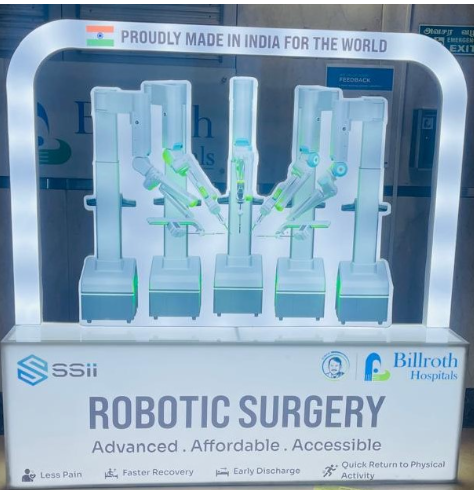
Robotic Hernia Surgery

Robotic Hernia Surgery: A New Era of Precision –
By Dr. Kumar- Billroth Hospitals

Hernia surgery has evolved dramatically over the last decade. From traditional open repairs to laparoscopic techniques, and now the most advanced form — Robotic Hernia Surgery. As a leading Hernia Specialist in Chennai, Dr. Kumar at Billroth Hospitals is among the few surgeons trained in new-generation robotic platforms, offering patients safer surgery, faster recovery and superior outcomes.

About Dr Kumar

Dr Kumar at Billroth Hospitals is an Advanced Laparoscopic and Robotic Hernia Surgeon with over 29+ years in the field of hernia surgery of Experience and Expertise of more than 10,000 Hernia Surgeries behind him. He Specializes in Laparoscopic and Robotic Hernia Surgeries, Complex and Recurrent Hernia Surgeries and Abdominal Wall
Reconstruction
What Is Robotic Hernia Surgery?

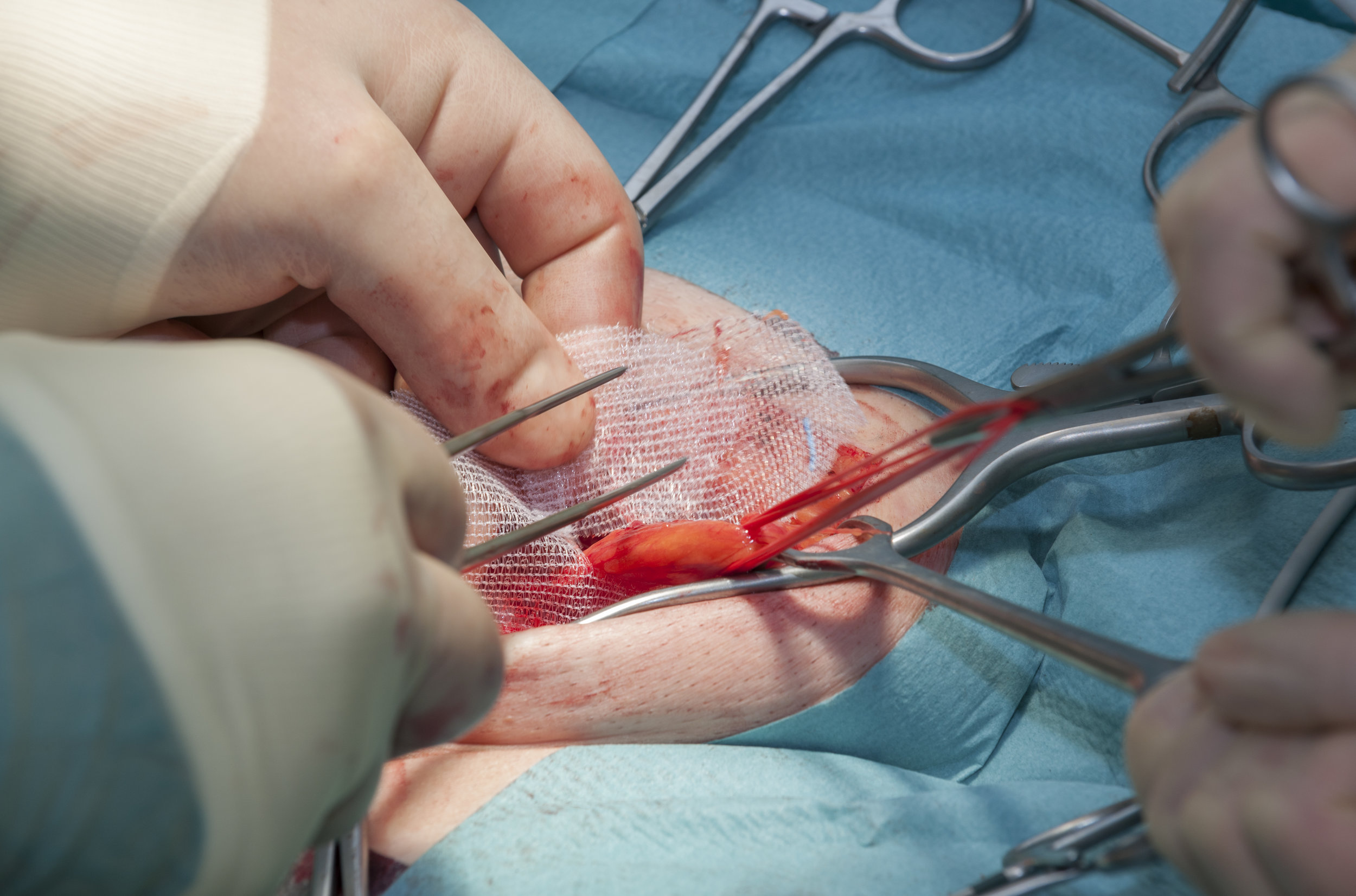
Robotic hernia surgery is a minimally invasive procedure performed using a robotic surgical system that enhances a surgeon’s capabilities. While the robot does not perform the surgery on its own, it gives the surgeon extraordinary control through:

3D HD magnified vision (10–15x magnification)
Wristed instruments that rotate 540°
Ultra-precise movements with tremor filtration

This makes even complex hernia repairs smoother, safer, and more accurate.

Why Robotic Surgery for Hernia Repair?

Robotic platforms have transformed hernia surgery by overcoming limitations of traditional laparoscopy. Benefits include:

1. Greater Precision in Mesh Placement

Accurate mesh placement is crucial for long-term success. Robotic instruments allow meticulous dissection and suturing, reducing recurrence risks.

2.Less Pain and Faster Healing

Because the incisions are smaller and tissues are handled more gently, patients often experience:

Less post-operative pain

Reduced need for pain medication

Faster return to routine activities

3.Superior for Complex or Recurrent Hernias

Robotic surgery offers unmatched access and visualization, making it ideal for:
Large inguinal hernias
Ventral and umbilical hernias
Incisional hernias
Recurrent hernias after previous surgery

4.Reduced Complications

Improved precision means lower chances of:
Nerve injury
Mesh misplacement
Infection

Chronic groin pain

How Dr. Kumar Performs Robotic Hernia Surgery

Dr. Kumar follows a structured and safety-focused approach:
Step 1: Detailed Pre-operative Evaluation
Assessment of hernia size, location, previous surgeries, and patient’s health conditions.

Step 2: Minimally Invasive Access
Small holes are created to insert the robotic camera and instruments.

Step 3: Precision Repair
Using the robotic console, Dr. Kumar performs:
Gentle dissection of the hernia
Complete reduction of the hernia sac
Reinforcement with advanced mesh
Secure suturing for long-term support


Step 4: Quick Recovery
Most patients return home within 24 hours and resume normal work within 3–5 days.

Advantages for Patients

State-of-the-art robotic technology
Expertise in complex abdominal wall reconstruction
Standardised protocols for pain-free recovery
High success rates with minimal recurrence
Personalised care throughout the journey

Who Is an Ideal Candidate for Robotic Hernia Surgery?

Robotic repair is suitable for most patients, including those with:

✔ Inguinal (groin) hernias
✔ Umbilical hernias
✔ Ventral or incisional hernias
✔ Bilateral hernias
✔ Recurrent hernias
✔ Obesity or diabetes (safer than open surgery)

Dr. Kumar- Billroth Hospitals evaluates each patient individually to recommend the best approach.

Recovery After Robotic Hernia Surgery

Most patients experience:
Minimal pain
Quick mobility
Tiny scars
No restrictions on long-term activity
Return to office in a few days
Gym and workouts by 3–4 weeks (as advised)
Following Dr. Kumar’s enhanced recovery protocol ensures smoother healing.

Why Choose Dr. Kumar for Robotic Hernia Surgery?

Dr. Kumar is recognized for:
Expertise in advanced Laparoscopic and Robotic hernia repairs
High-volume experience with excellent outcomes
Focus on HERNIA Speciality
Impetus on Patient comfort and safety
Evidence-based techniques
Compassionate, personalised care
He offers one of the most comprehensive hernia care programs in Chennai.

Book a Consultation

To know if Robotic Hernia Surgery is the right choice for you, book an appointment with Dr. Kumar – Advanced Laparoscopic and Robotic Hernia & Abdominal Wall Surgeon, Chennai.
CALL +91 7904217129

Robotic Gallbladder Surgery: Precision, Safety & Faster Recovery – By Dr Kumar Billroth Hospitals

Robotic Gallbladder Surgery: Precision, Safety & Faster Recovery – By Dr Kumar Billroth Hospitals

Gallbladder problems such as gallstones, chronic inflammation, and repeated infections affect thousands of people every year. While laparoscopic (keyhole) surgery has long been the standard treatment, the next major advancement is here — Robotic Gallbladder Surgery.
As an advanced robotic and minimally invasive surgeon in Chennai, Dr. Kumar at Billroth Hospitals offers this cutting-edge procedure to provide patients with unmatched safety, precision, and faster healing.He has an experience of more than 29 years and has performed more than 5000 Gallbladder Surgeries

What Is Robotic Gallbladder Surgery?
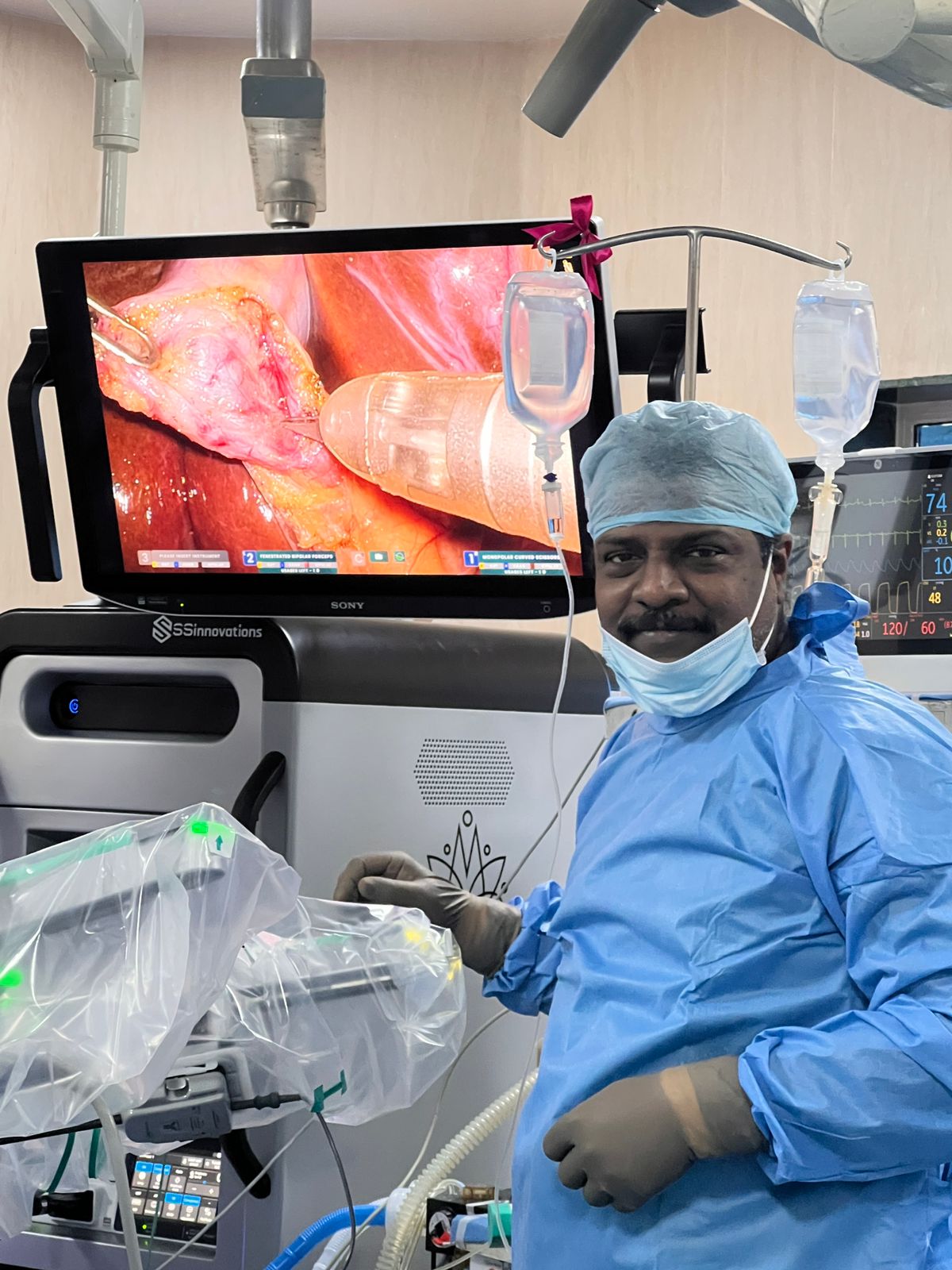
Robotic gallbladder surgery, also called robotic cholecystectomy, is performed using a robotic surgical system. The surgeon controls robotic instruments from a console, allowing finer movements and improved accuracy compared to conventional laparoscopy. The robot does not operate on its own — it enhances the surgeon’s capabilities by offering:
3D, high-definition 10–15x magnified vision
Wristed instruments that can rotate beyond the natural range of the human hand
Tremor-free, steady precision
Enhanced control for delicate
dissections

This makes the procedure extremely safe, especially in difficult or complicated gallbladder cases.

Why Choose Robotic Surgery for Gallbladder Removal?

  1. Greater Precision in Difficult Cases Patients with inflamed gallbladders, dense adhesions, previous abdominal surgeries, or complex anatomy benefit greatly from the robot’s precision.
  2. Reduced Tissue Trauma Robotic instruments handle tissues gently, resulting in:
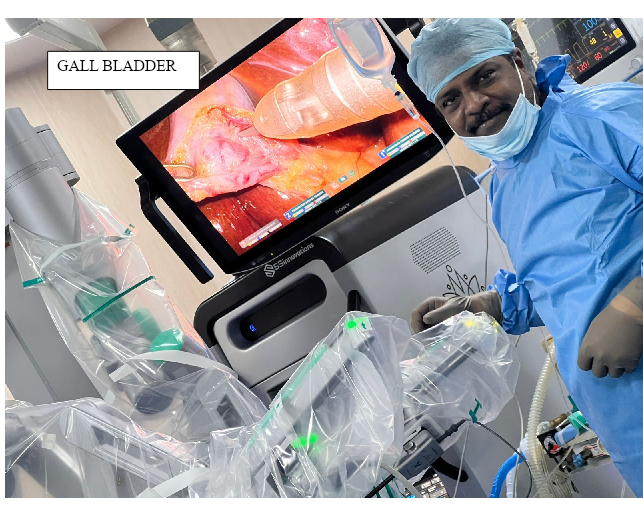
    Less internal trauma Minimal bleeding GALL BLADDER

Reduced postoperative pain

  1. Better Visualization The high-magnification camera helps identify critical structures clearly,
    significantly reducing the risk of bile duct injuries — the most feared complication in gallbladder surgery.
  2. Smaller Scars & Better Cosmesis The incisions are tiny, resulting in cosmetically better outcomes.
  3. Fast, Comfortable Recovery Most patients can return home within 24 hours and resume normal activities in 3–5 days.

How Dr. Kumar Performs Robotic Gallbladder Surgery

How Dr. Kumar Performs Robotic Gallbladder Surgery Dr. Kumar’s robotic surgical protocol is designed to ensure the highest standards of safety:

Step 1: Pre-operative Evaluation Assessment of symptoms, ultrasound findings, and medical history.
Step 2: Minimally Invasive Access Small incisions are made to insert the robotic camera and instruments.
Step 3: Critical View of Safety Using the robot’s magnified vision, Dr. Kumar carefully separates and
identifies the cystic duct and artery — the two key structures — ensuring a
safe procedure.

Step 4: Gallbladder Removal The gallbladder is removed with precision, minimising trauma to
surrounding tissues.

Step 5: Quick Recovery Most patients walk within a few hours and return to normal life rapidly.

Who Can Benefit From Robotic Gallbladder Surgery?
Robotic Cholecystectomy is ideal for:
✔ Gallstones
✔ Acute or chronic cholecystitis
✔ Sludge or polyp in the gallbladder
✔ Recurrent abdominal pain due to gallbladder disease
✔ Diabetic and obese patients (safer and easier)
✔ Patients with previous abdominal surgeries
✔ Complicated or high-risk anatomy
Dr. Kumar- Billroth Hospitals will evaluate your condition and suggest the
safest, most effective approach.

Advantages of Choosing Dr. Kumar- Billroth Hospitals for Robotic

Gallbladder Surgery
Expertise in robotic and laparoscopic surgery
Specialised training in advanced minimally invasive techniques
Precision-driven surgical protocols
Lower complication rates
Faster return to work and daily activities
Personalized patient care and follow-up
High success rate with excellent patient satisfaction

Recovery After Robotic Gallbladder Surgery
Most patients experience:
Minimal pain
Early mobility
Quick discharge
Tiny, almost invisible scars
Return to office in 3–5 days
Normal diet within 24 hours
No long-term dietary restrictions
Following recovery instructions and follow-up ensures smooth healing.

Why Robotic Surgery Is the Future of Gallbladder Removal
Robotic technology combines the strengths of human expertise and

advanced engineering. For gallbladder surgery, this means:
Fewer complications
Safer dissection
Higher precision
Better long-term outcomes
This is why more patients — and surgeons — are choosing the robotic
approach when available.

Book a Consultation with Dr. Kumar
If you are suffering from gallstones or gallbladder-related symptoms, consult Dr. Kumar – Advanced Robotic & Minimally Invasive Surgeon, Chennai.
His expertise, combined with state-of-the-art robotic technology, ensures the safest and most comfortable surgical experience. CALL 7904217129

The Evolution of Hernia Surgery: From Synthetic Mesh to Smart Surgical System

The Evolution of Hernia Surgery: From Synthetic Mesh to Smart Surgical Systems

Hernia surgery has undergone a remarkable transformation over the past few decades, evolving from simple tissue repairs to sophisticated, technology-driven procedures. This evolution reflects broader trends in surgery—toward less invasiveness, greater precision, and improved patient outcomes. From the early days of synthetic mesh reinforcement to today’s robotic-assisted and “smart” surgical systems, hernia repair has become a paradigm of surgical innovation.

Early Developments: The Mesh Revolution

For much of the 20th century, hernia repair relied on primary suture techniques, which often placed significant tension on tissues and were associated with high recurrence rates. The introduction of synthetic mesh in the 1980s marked a pivotal moment. Polypropylene and other biocompatible materials allowed for “tension-free” repairs, dramatically reducing recurrence and postoperative discomfort. The Lichtenstein technique, a standardized open mesh repair, became the global gold standard for inguinal hernias and remains widely used today.

However, the use of synthetic mesh was not without drawbacks. Complications such as chronic pain, infection, mesh migration, and foreign body reactions prompted ongoing research into alternative materials and techniques. This led to the development of lighter-weight, macroporous meshes designed to integrate better with host tissue, as well as biologic and resorbable options that minimize long-term complications.

The Rise of Minimally Invasive Surgery

The 1990s ushered in the era of laparoscopy, transforming hernia surgery once again. Laparoscopic techniques such as transabdominal preperitoneal (TAPP) and totally extraperitoneal (TEP) repairs offered smaller incisions, faster recovery, and less postoperative pain. Surgeons could visualize the hernia defect from a new perspective, enabling better diagnosis of bilateral or recurrent hernias.

Yet, laparoscopy required advanced skills, and the steep learning curve limited its early adoption. Over time, improvements in camera systems, instruments, and training led to broader acceptance. Minimally invasive surgery became the new benchmark for groin and ventral hernia repairs, setting the stage for the next leap forward—robotic-assisted surgery.

Robotics: Precision and Personalization

The integration of robotic technology has revolutionized the field of hernia repair. Robotic systems, such as the da Vinci Surgical System, provide surgeons with high-definition, three-dimensional visualization and wristed instruments that mimic the dexterity of the human hand. These systems enhance precision, especially in complex cases like large ventral or recurrent hernias, where delicate tissue handling and extensive dissection are required.

Robotic-assisted hernia repair offers several advantages over conventional laparoscopy. Improved ergonomics reduce surgeon fatigue, while enhanced control enables meticulous suturing and mesh placement. Early studies suggest comparable or superior outcomes in terms of pain reduction, recurrence rates, and recovery times. Although cost and access remain challenges, the trajectory of adoption continues to rise globally.

Smart Surgical Systems and the Future

Today, innovation in hernia surgery extends beyond robotics. “Smart” surgical systems are emerging—integrating data analytics, machine learning, and sensor technologies into operative platforms. These systems can assist surgeons in decision-making, predict complications, and provide real-time feedback during surgery. Smart meshes embedded with biosensors are under investigation, capable of monitoring infection, tension, or inflammation in the postoperative period.

Biomaterials research is also advancing rapidly. Next-generation meshes aim to combine the mechanical strength of synthetics with the biocompatibility of biologics. 3D printing technology allows for patient-specific meshes tailored to unique anatomical contours, potentially improving integration and comfort.

Furthermore, artificial intelligence (AI) is being leveraged to analyze surgical performance and optimize training. Virtual reality simulators are enhancing the education of surgeons, shortening the learning curve for complex procedures such as robotic hernia repair.

Conclusion

The journey of hernia surgery—from synthetic mesh to smart surgical systems—reflects the broader evolution of surgical science. What began as a manual, open procedure has transformed into a high-tech, data-driven discipline focused on precision, safety, and patient-centered outcomes. As robotics, AI, and biomaterial science continue to converge, the future of hernia repair promises even greater personalization and performance. The modern hernia surgeon now stands at the intersection of surgery and technology, equipped not just with a scalpel, but with smart systems that redefine what is surgically possible.

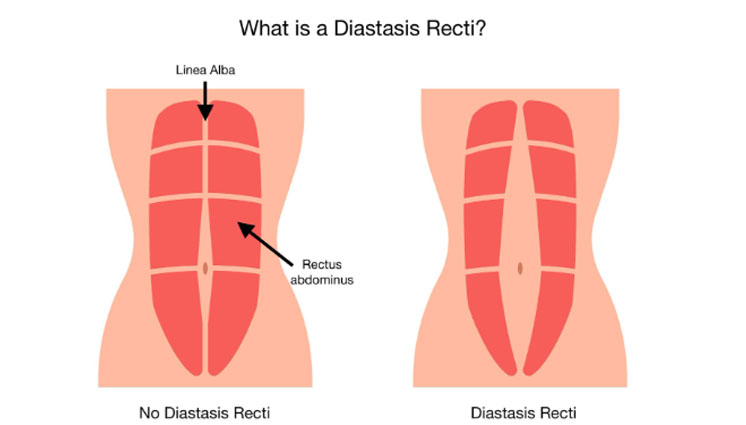
DIVARICATION OF RECTI

Dr Kumar- Billroth Hospitals/Best Hernia Surgeon/Gallbladder stone Specialist:

Divarication of recti, also known as Diastasis of rectus muscle is a condition where the vertical abdominal muscles (rectus abdominis) separate, causing a gap or bulge in the abdominal wall in the midline.

CAUSES
Pregnancy,Obesity,
Weakening of abdominal muscles over time,Previous abdominal surgery, such as a cesarean section.fluid accumulation-ascitis . Most commonly after pregnancy.
SYMPTOMS
Visible bulge in the midline of the abdomen ,Abdominal weakness,Back pain,Urinary incontinence in severe case.
PREVENTION
Wearing compression garments or binders after any abdominal surgery,after pregnancy, Maintain a healthy weight,Engage in regular exercise, Practice good posture,Avoid heavy lifting.
Treatment of diastasis Recti is usually surgery . Can be done by Laparoscopy. Surgery involves bringing both the Rectus muscle to the midline and reinforcing with mesh.. when Divarication is associated with excessive fat , open surgery is performed – correction of the Diastasis along with removal of the excess fat- Lipectomy. This procedure is called Abdominoplasty.
For Best treatment of Divarication of Recti, schedule your appointment with DrKumar Billroth Hospitals-Best Hernia surgeon/Gallbladder stone specialist.

Ventral Hernia Repair Works

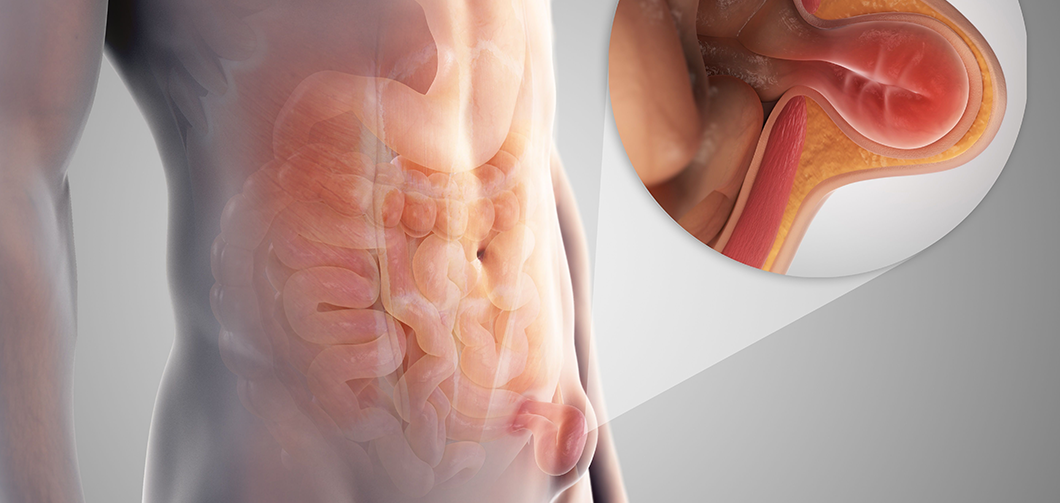
A hernia is a gap or hole in the tough abdominal tissue. Weakness in this tissue allows organs like intestines to protrude, forming a sac. This condition can lead to pain or complications, necessitating urgent surgery to repair the hernia and prevent further issues.
A ventral hernia occurs in the abdominal region, typically near a surgical scar, which is the location where a surgeon made an incision during a previous operation.

Unusual symptoms of GERD

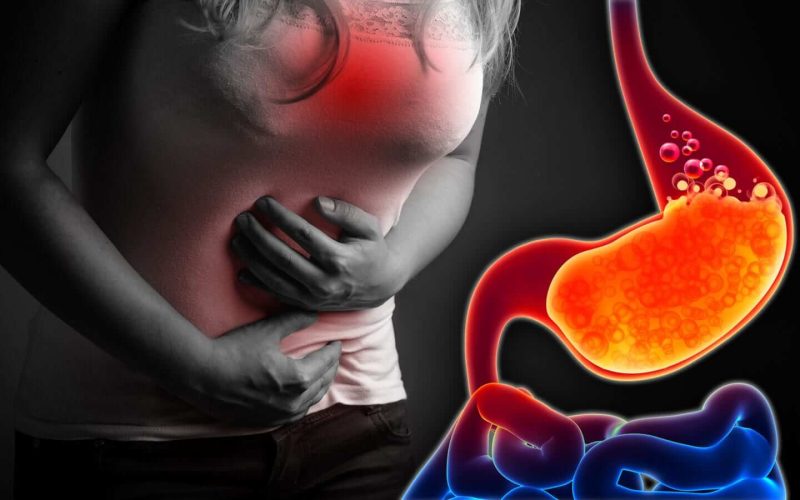
Gastro Esophageal reflux disease is a common disorder encountered in many patients . This is characterised by reflux of the Gastric juice into the Esophagus causing inflammation and ulceration of the Esophagus.
GERD is characterised by Retrosternal Burning or pain Frequent belching or burping Sometimes the Retrosternal pain can mimic even cardiac pain These are the common symptoms presenting in GERD. However some patients present with atypical symptoms. These include
1) Chronic Cough : Repeated Reflux can cause repeated cough and ulceration and inflammation of the Larynx. The cough is most often precipitated by lying down flat and usually comes down and sitting upright.
2) voice change : due to repeated reflux and laryngitis, there maybe voice change
3) Excessive salivation . Repeated acid reflux can lead to excessive stimulation of the salivary glands and increased salivation.

LAPAROSCOPIC HERNIA SURGERY -KEYHOLE SIRGERY.

LAPAROSCOPIC HERNIA SURGERY -KEYHOLE SIRGERY. HERNIA Different types , Different Locations. -one solution – LAPAROSCOPIC SURGERY – Lesser pain , lesser scaring,smaller incisions, lesser hospital stay, quicker recovery. Even though Hernias maybe of different types like direct , indirect, complete , incomplete,etc and in different locations like INGUINAL, FEMORAL,UMBILICAL,VENTRAL,EPIGASTRIC,HIATUS HERNIA,ETC., one solution cures all types of Hernia – Laparoscopic Hernia surgery.
Laparoscopic method offers keyhole method and faster recovery and minimal pain and scarring. By Laparoscopic method all types of Hernia can be cured and Dr kumar is an expert in Laparoscopic Hernia surgery and repair . With more than two decades of expertise in Laparoscopic Hernia surgery, Dr kumar( billroth Hospitals) gives you the best and the latest in Hernia laparoscopic surgery. Book your consultation today to take the first step to freedom from Hernia.

Inguinal Hernia treatment in chennai

INGUINAL hernia. A hernia occurring in the region of the groin or the region between the lower abdomen and the upper thigh and the genitals is called the INGUINAL region.. in this region there is a natural passage between the abdominal cavity and the genitalia known as the INGUINAL canal . Normally this canal transmits the spermatic vessels in the males and the round ligament in the females.A hernia occurring through this canal is called the INGUINAL Hernia.It is more common in males. Drkumar (Billroth Hospitals ) has huge experience in treating patients with INGUINAL hernia and especially laparoscopic INGUINAL hernia surgery.


INGUINAL Hernia treatment in chennai. A hernia occurring through the INGUINAL region is called INGUINAL hernia. INGUINAL hernia treatment involves surgery . Two types of surgery are done 1) laparoscopic and

open . Dr kumar Is an expert in Laparoscopic INGUINAL hernia treatment and surgery. Laparoscopic surgery offers faster recovery and lesser pain.
INGUINAL hernia surgery in chennai. INGUINAL hernia surgery can be done laparoscopically or by open method . Laparoscopically approach gives faster recovery and minimal scar. Drkumar is an expert in laparoscopic INGUINAL hernia surgery.
Best INGUINAL hernia doctor in chennai : Drkumar with his experience of more than two decades can be considered as one of the Best INGUINAL hernia doctor in chennai.

Best INGUINAL hernia treatment in chennai. Drkumar(Billroth hospitals ) has more than two decades of experience of operating almost daily on INGUINAL hernia patients especially laparoscopic INGUINAL hernia surgery making Drkumar as the Best INGUINAL Hernia treatment in chennai.

Best doctor for INGUINAL hernia treatment and surgery in chennai .Drkumar(Billroth Hospitals) with his immense experience.can be considered as Best doctor for INGUINAL hernia treatment and surgery in chennai.


INGUINAL hernia specialist in chennai. Drkumar (Billroth hospital) has more the two decades of treating patients with INGUINAL hernia. He treats and operates on patients with INGUINAL hernia almost on a daily basis, making him truly a INGUINAL hernia specialist.

TREATMENT FOR GALLSTONES

TREATMENT FOR GALLSTONES

Many times the gallbladder stones are small and asymptomatic and need to be observed. Medical treatment many times may not dissolve the stones.

It is advised to avoid fatty and oily food which can precipitate complications in patients with silent stones. Symptomatic stones and in the patients with complications, surgery is advised.

Surgery is usually done with Laparoscopy. DR.KUMAR is an expert in LAPAROSCOPIC GALLBLADDER SURGERY.

Call Now Button