
Inguinal Hernia treatment in chennai

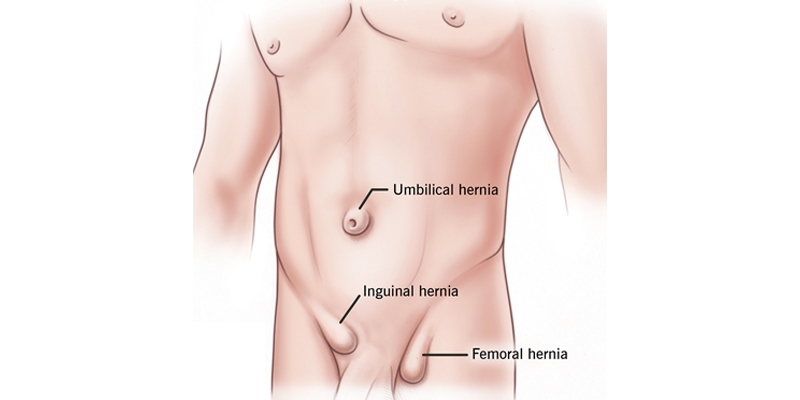
INGUINAL hernia. A hernia occurring in the region of the groin or the region between the lower abdomen and the upper thigh and the genitals is called the INGUINAL region.. in this region there is a natural passage between the abdominal cavity and the genitalia known as the INGUINAL canal . Normally this canal transmits the spermatic vessels in the males and the round ligament in the females.A hernia occurring through this canal is called the INGUINAL Hernia.It is more common in males. Drkumar (Billroth Hospitals ) has huge experience in treating patients with INGUINAL hernia and especially laparoscopic INGUINAL hernia surgery.


INGUINAL Hernia treatment in chennai. A hernia occurring through the INGUINAL region is called INGUINAL hernia. INGUINAL hernia treatment involves surgery . Two types of surgery are done 1) laparoscopic and

open . Dr kumar Is an expert in Laparoscopic INGUINAL hernia treatment and surgery. Laparoscopic surgery offers faster recovery and lesser pain.
INGUINAL hernia surgery in chennai. INGUINAL hernia surgery can be done laparoscopically or by open method . Laparoscopically approach gives faster recovery and minimal scar. Drkumar is an expert in laparoscopic INGUINAL hernia surgery.
Best INGUINAL hernia doctor in chennai : Drkumar with his experience of more than two decades can be considered as one of the Best INGUINAL hernia doctor in chennai.

Best INGUINAL hernia treatment in chennai. Drkumar(Billroth hospitals ) has more than two decades of experience of operating almost daily on INGUINAL hernia patients especially laparoscopic INGUINAL hernia surgery making Drkumar as the Best INGUINAL Hernia treatment in chennai.

Best doctor for INGUINAL hernia treatment and surgery in chennai .Drkumar(Billroth Hospitals) with his immense experience.can be considered as Best doctor for INGUINAL hernia treatment and surgery in chennai.


INGUINAL hernia specialist in chennai. Drkumar (Billroth hospital) has more the two decades of treating patients with INGUINAL hernia. He treats and operates on patients with INGUINAL hernia almost on a daily basis, making him truly a INGUINAL hernia specialist.

TREATMENT FOR GALLSTONES

Gallstones are a common digestive health problem that can cause sudden abdominal pain, indigestion, nausea, vomiting, bloating, and complications when not treated at the right time. Many people may have gallbladder stones without any symptoms, while others may experience repeated pain after food, especially after oily or fatty meals. When gallstones become symptomatic or lead to infection, blockage, jaundice, or pancreatitis, timely consultation with an experienced gallbladder specialist becomes very important.

DrKumar, gallbladder specialist and laparoscopic surgeon at Billroth Hospitals, offers expert evaluation and treatment for patients with gallstones. With extensive experience in advanced laparoscopic surgery, DrKumar focuses on safe, precise, and patient-friendly treatment for gallbladder stones. The aim is not only to treat the present symptoms but also to reduce the risk of future gallstone-related complications.

What Are Gallstones?

Gallstones are hardened deposits that form inside the gallbladder. The gallbladder is a small organ located below the liver. Its main function is to store bile, a digestive fluid that helps break down fats. When the components of bile become imbalanced, stones may form. These stones may be very small like grains of sand or larger in size.

Some gallstones remain silent for years and are detected only during an ultrasound done for another reason. However, when gallstones block the flow of bile or irritate the gallbladder, they can cause pain and inflammation. This condition may need medical or surgical attention depending on the symptoms and severity.

DrKumar, gallbladder stone specialist at Billroth Hospitals, carefully assesses every patient to decide whether observation, lifestyle guidance, further investigations, or surgery is required.

Symptoms of Gallbladder Stones

Gallstones may not always cause symptoms. When symptoms occur, they can be sudden and uncomfortable. Common symptoms include:

  • Pain in the upper right side of the abdomen
  • Pain in the upper middle abdomen
  • Pain that increases after oily or fatty food
  • Nausea or vomiting
  • Indigestion, bloating, or heaviness after meals
  • Pain spreading to the back or right shoulder
  • Fever with abdominal pain
  • Yellowing of the eyes or skin in case of bile duct blockage

Any severe abdominal pain, fever, persistent vomiting, or jaundice should not be ignored. These may indicate complications and require urgent medical evaluation.

As an experienced gallbladder surgeon, DrKumar evaluates the patient’s symptoms, ultrasound findings, blood reports, and overall health condition before advising the right treatment plan.

When Do Gallstones Need Treatment?

Not all gallstones require immediate surgery. Small, silent gallstones that do not cause symptoms may sometimes be observed with dietary advice and regular follow-up. However, symptomatic gallstones usually need active treatment because the pain may recur and complications may develop.

DrKumar, gallbladder specialist at Billroth Hospitals, may advise treatment when a patient has repeated gallstone pain, gallbladder infection, swelling, pus formation, jaundice, bile duct stones, pancreatitis, or other gallstone-related complications. Surgery may also be recommended when stones are causing frequent digestive discomfort and affecting quality of life.

Medicines are generally not reliable for dissolving gallstones in most patients. Even when medicines are used in selected cases, they may take a long time and stones can recur. For symptomatic gallstones, laparoscopic gallbladder removal is commonly considered the most effective treatment.

Laparoscopic Gallbladder Surgery by DrKumar

Laparoscopic gallbladder surgery, also called laparoscopic cholecystectomy, is a minimally invasive procedure used to remove the gallbladder along with the stones. Since the gallbladder is the organ where stones form, removing only the stones is usually not recommended because stones can come back. Removing the gallbladder helps prevent repeated gallstone attacks.

DrKumar, laparoscopic gallbladder surgeon at Billroth Hospitals, performs gallbladder surgery using small cuts instead of a large incision. A camera and fine surgical instruments are used to carefully separate and remove the gallbladder. Compared with open surgery, laparoscopic surgery usually offers less pain, smaller scars, shorter hospital stay, and faster return to daily activities.

DrKumar’s approach focuses on safety, accurate diagnosis, careful surgical planning, and smooth recovery. Each patient is assessed individually, especially if there is infection, previous abdominal surgery, obesity, diabetes, heart disease, or other medical concerns.

Why Choose DrKumar for Gallstone Treatment?

Choosing the right gallbladder specialist is important because gallstone disease can range from simple stones to complicated conditions involving infection, bile duct blockage, or pancreatitis. DrKumar brings years of surgical experience and expertise in advanced laparoscopic procedures, making him a trusted choice for gallstone treatment and gallbladder surgery.

Patients choose DrKumar, gallbladder surgeon at Billroth Hospitals, for his experience in laparoscopic surgery, patient-focused communication, and clear treatment planning. He explains the condition, discusses available treatment options, and helps patients understand when surgery is necessary and what to expect before and after the procedure.

DrKumar is also known for his expertise in hernia surgery, complex abdominal wall procedures, and gastrointestinal surgery. This broad surgical experience is especially useful in patients who may have associated abdominal conditions or previous surgeries.

Diagnosis Before Gallstone Treatment

Before deciding treatment, proper diagnosis is essential. DrKumar usually reviews the patient’s symptoms and may advise investigations such as abdominal ultrasound, liver function tests, complete blood count, and other blood tests depending on the condition. In some cases, additional imaging such as MRCP, CT scan, or endoscopic evaluation may be required, especially if there is suspicion of bile duct stones or jaundice.

The goal of diagnosis is to confirm the presence of gallstones, check whether the gallbladder is inflamed, and identify any complications. This allows DrKumar, gallbladder stone specialist, to plan the safest and most suitable treatment.

Can Gallstones Be Treated Without Surgery?

Many patients ask whether gallstones can be removed without surgery. In silent gallstones without symptoms, surgery may not always be immediately needed. Dietary control and observation may be advised. However, once gallstones become symptomatic, non-surgical treatment often gives only temporary relief.

Painkillers or medicines may reduce symptoms for a short time, but they do not reliably remove the problem. Gallstone pain can return suddenly, and complications may occur. That is why DrKumar, gallbladder specialist at Billroth Hospitals, usually recommends laparoscopic gallbladder surgery for patients with symptomatic stones or complications.

Patients should not depend on home remedies or unverified treatments for gallstones. Delaying proper care can increase the risk of infection, pus formation, bile duct obstruction, jaundice, or pancreatitis.

What Happens Before Surgery?

Before laparoscopic gallbladder surgery, DrKumar reviews the patient’s reports and overall health. Patients may be advised blood tests, ECG, chest evaluation, and fitness assessment depending on age and medical history. If the gallbladder is infected or inflamed, antibiotics and supportive care may be started before surgery.

Patients are usually asked to avoid food and drink for a specific period before the procedure. DrKumar and the medical team explain the procedure, anaesthesia, expected hospital stay, and recovery plan.

This pre-surgery planning helps improve safety and comfort. DrKumar, laparoscopic gallbladder surgeon, gives importance to patient education so that the patient and family know what to expect.

Recovery After Laparoscopic Gallbladder Surgery

Recovery after laparoscopic gallbladder surgery is usually faster than open surgery. Many patients can walk within a short time after the procedure and gradually return to normal activities as advised. Mild pain, bloating, or shoulder discomfort can happen temporarily due to gas used during laparoscopy, but this usually improves.

Diet is restarted gradually, beginning with light food as advised. Patients are generally asked to avoid heavy, oily, and spicy food during the early recovery period. Follow-up visits are important to check wound healing and recovery.

DrKumar, gallbladder surgeon at Billroth Hospitals, provides clear post-operative instructions regarding diet, activity, wound care, medicines, and warning signs. Patients should contact the doctor if they develop fever, increasing pain, vomiting, jaundice, wound discharge, or severe weakness after surgery.

Diet Advice for Gallstone Patients

Diet alone cannot dissolve most gallstones, but it can help reduce symptoms and prevent sudden pain episodes in some patients. People with gallstones are usually advised to reduce oily, fried, and fatty foods. Large heavy meals may trigger symptoms, so smaller and lighter meals may be better tolerated.

A healthy diet may include fruits, vegetables, whole grains, lean proteins, and adequate water intake. Crash dieting and rapid weight loss should be avoided because they may increase the risk of gallstone formation.

DrKumar, gallbladder specialist, guides patients on practical dietary measures before and after gallbladder surgery based on their symptoms and recovery stage.

Complications of Untreated Gallstones

Ignoring symptomatic gallstones can be risky. Repeated pain is one concern, but complications can be more serious. Gallstones may cause acute cholecystitis, which is inflammation or infection of the gallbladder. Stones may also move into the bile duct and cause jaundice or infection. In some cases, gallstones can trigger pancreatitis, a painful and potentially serious inflammation of the pancreas.

Because complications can happen suddenly, patients with repeated gallstone symptoms should not delay consultation. DrKumar, gallbladder stone specialist at Billroth Hospitals, helps patients understand the seriousness of their condition and choose timely treatment.

DrKumar’s Patient-Centred Approach

Every patient with gallstones is different. Some patients come with mild indigestion, while others may come with severe pain, fever, jaundice, or emergency complications. DrKumar’s approach is based on careful diagnosis, honest explanation, and treatment suited to the patient’s condition.

As a laparoscopic gallbladder surgeon, DrKumar aims to provide effective treatment with minimal discomfort and faster recovery whenever possible. His experience in laparoscopic and gastrointestinal surgery helps patients receive comprehensive care for gallbladder stones and related abdominal conditions.

If you have been diagnosed with gallstones or are experiencing upper abdominal pain after food, consult DrKumar at Billroth Hospitals for expert evaluation and treatment guidance.

Frequently Asked Questions

Do all gallstones need surgery?

No. Silent gallstones that do not cause symptoms may sometimes be observed.
However, if gallstones cause pain, infection, jaundice, pancreatitis, or repeated
digestive problems, surgery may be advised. Dr. Kumar, gallbladder specialist,
evaluates each patient before recommending treatment.

What is the best treatment for symptomatic gallstones?

For symptomatic gallstones, laparoscopic gallbladder removal is commonly considered
the most effective treatment. Dr. Kumar, laparoscopic gallbladder surgeon at
Billroth Hospitals, removes the gallbladder along with the stones to prevent
repeated attacks and future complications.

Can medicines dissolve gallstones?

Medicines may dissolve selected cholesterol stones in rare cases, but they are not
suitable for most patients and may take a long time. Stones can also recur.
Dr. Kumar will advise whether observation, medication, or surgery is appropriate
based on symptoms and reports.

Is laparoscopic gallbladder surgery safe?

Laparoscopic gallbladder surgery is a commonly performed minimally invasive procedure.
Like any surgery, it has risks, but with proper evaluation and an experienced surgeon,
it is generally safe for suitable patients. Dr. Kumar explains the benefits, risks,
and recovery process before surgery.

Can I live normally without a gallbladder?

Yes. Most people live normally without a gallbladder. The liver continues to produce
bile, which flows directly into the intestine. Some patients may need temporary diet
adjustments after surgery, especially avoiding oily and heavy foods during early
recovery. Dr. Kumar provides post-surgery guidance for a smooth return to normal life.

Femoral Hernia

A femoral hernia is a type of hernia that occurs in the groin area where the femoral canal is located. It is more common in females, but it can also affect males. This type of hernia is less frequent compared to inguinal hernias, but it still requires medical attention and, if necessary, surgical repair.

Here’s a brief explanation of femoral hernias:

  1. Anatomy: The femoral canal is a passage in the lower abdomen located just below the inguinal ligament (a band of tissue that runs from the pubic bone to the anterior superior iliac spine). The femoral canal contains blood vessels, nerves, and lymphatics. In some cases, a weakness or opening may develop in the femoral canal’s lower wall, allowing abdominal contents to protrude through it.
  2. Causes: Femoral hernias often result from increased pressure in the abdomen, which can occur due to factors such as heavy lifting, straining during bowel movements, chronic coughing, obesity, pregnancy, or other conditions that cause increased intra-abdominal pressure.
  3. Symptoms: Common symptoms of a femoral hernia include a bulge or lump in the groin or upper thigh area, especially when standing or straining. The lump may be reducible, meaning it can be pushed back into the abdomen initially, but it may become incarcerated, where the herniated tissue becomes stuck and cannot be pushed back in. Incarceration can lead to severe pain and requires immediate medical attention. Strangulation, a more serious complication, occurs when the blood supply to the herniated tissue is compromised, leading to tissue damage and potentially life-threatening consequences.
  4. Diagnosis: A healthcare professional can usually diagnose a femoral hernia through a physical examination. Sometimes, additional imaging tests, such as ultrasound or CT scan, may be performed to confirm the diagnosis or evaluate the hernia’s size and content.
  5. Treatment: The primary treatment for femoral hernias is surgical repair, especially if the hernia is causing symptoms or complications. As mentioned earlier, femoral hernia repair can be performed using open surgery or laparoscopic (minimally invasive) techniques. The choice of the surgical approach depends on various factors, as discussed in the previous response.

Femoral Hernia Repair

Femoral hernia repair is a surgical procedure performed to treat a femoral hernia, which occurs when a part of the abdominal contents (often the small intestine) protrudes through a weak point or defect in the abdominal wall near the femoral canal. This type of hernia is more common in females, hence the name “femoral hernia.”

Femoral hernia repair can be done using two main techniques:

  1. Open Surgery: In this traditional approach, the surgeon makes an incision near the hernia site and manually pushes the herniated tissue back into the abdomen. The weakened area in the abdominal wall is then reinforced using sutures or a mesh patch to prevent the hernia from recurring. The incision is then closed with stitches.
  2. Laparoscopic Surgery: This is a minimally invasive procedure where the surgeon makes small incisions and inserts a laparoscope (a thin, flexible tube with a camera) and specialized surgical instruments into the abdomen. The surgeon views the hernia and surrounding tissues on a video monitor and repairs the hernia using sutures or a mesh.

The choice of surgical technique depends on various factors, including the patient’s overall health, the size and complexity of the hernia, and the surgeon’s expertise. Laparoscopic surgery is generally associated with smaller incisions, less postoperative pain, and a quicker recovery compared to open surgery.

After the procedure, patients usually stay in the hospital for a brief period for observation and pain management. They are encouraged to gradually resume their normal activities but should avoid heavy lifting and strenuous exercises during the recovery period.

As with any surgery, there are potential risks and complications associated with femoral hernia repair, including infection, bleeding, recurrence of the hernia, and damage to nearby structures. However, the vast majority of femoral hernia repairs are successful, and patients experience relief from their symptoms after the surgery.

If you suspect you have a femoral hernia or are experiencing symptoms such as a bulge in the groin area, pain, or discomfort, it is essential to consult a healthcare professional for a proper evaluation and treatment recommendation. They will assess your condition and determine the most appropriate treatment approach for your specific case.

Hiatus hernia

A hiatus hernia, also known as a hiatal hernia, is a medical condition that occurs when a part of the stomach pushes up through the diaphragm and into the chest cavity. To understand a hiatus hernia, it’s helpful to know a bit about the anatomy involved:

The diaphragm is a large muscle that separates the chest cavity (containing the lungs and heart) from the abdominal cavity (containing the stomach, liver, intestines, etc.). There is an opening in the diaphragm called the hiatus, through which the esophagus (the tube that carries food from the mouth to the stomach) passes.

In a hiatus hernia, part of the upper stomach squeezes through the hiatus and ends up in the chest cavity, above the diaphragm. This can happen for two primary reasons:

  1. Sliding Hiatus Hernia: This is the most common type. The junction between the esophagus and stomach (lower esophageal sphincter) and a portion of the stomach slide up into the chest when pressure in the abdominal cavity increases, such as during swallowing or straining.
  2. Paraesophageal Hiatus Hernia: In this less common type, a portion of the stomach squeezes through the hiatus and lies alongside the esophagus, without the esophagus itself moving. This type can sometimes be more concerning, as there is a risk of the herniated stomach becoming strangulated (twisted) and causing blood supply issues.

Hiatus hernias can be caused by various factors, including age-related changes in the diaphragm, increased pressure in the abdominal cavity due to pregnancy or obesity, chronic coughing, lifting heavy objects, or persistent straining during bowel movements.

A hiatus hernia, also known as a hiatal hernia, is a medical condition that occurs when a part of the stomach pushes up through the diaphragm and into the chest cavity. To understand a hiatus hernia, it’s helpful to know a bit about the anatomy involved:

The diaphragm is a large muscle that separates the chest cavity (containing the lungs and heart) from the abdominal cavity (containing the stomach, liver, intestines, etc.). There is an opening in the diaphragm called the hiatus, through which the esophagus (the tube that carries food from the mouth to the stomach) passes.

In a hiatus hernia, part of the upper stomach squeezes through the hiatus and ends up in the chest cavity, above the diaphragm. This can happen for two primary reasons:

  1. Sliding Hiatus Hernia: This is the most common type. The junction between the esophagus and stomach (lower esophageal sphincter) and a portion of the stomach slide up into the chest when pressure in the abdominal cavity increases, such as during swallowing or straining.
  2. Paraesophageal Hiatus Hernia: In this less common type, a portion of the stomach squeezes through the hiatus and lies alongside the esophagus, without the esophagus itself moving. This type can sometimes be more concerning, as there is a risk of the herniated stomach becoming strangulated (twisted) and causing blood supply issues.

Hiatus hernias can be caused by various factors, including age-related changes in the diaphragm, increased pressure in the abdominal cavity due to pregnancy or obesity, chronic coughing, lifting heavy objects, or persistent straining during bowel movements.

Complications of Untreated Hernia

An untreated hernia can lead to several complications that may worsen over time. A hernia occurs when an organ or tissue pushes through a weak spot in the surrounding muscle or connective tissue. While some hernias may not cause immediate problems, others can become serious if left untreated. Here are some potential complications of untreated hernias:

  1. Incarceration: A hernia can become incarcerated when its contents get trapped in the weak spot or hernia sac, leading to the inability to push the protruding tissue back into place. This can cause significant pain, swelling, and discomfort. Incarcerated hernias require immediate medical attention as they can progress to the next stage.
  2. Strangulation: Strangulation is the most severe and life-threatening complication of a hernia. It occurs when the blood supply to the trapped hernia contents is cut off, leading to tissue death (necrosis). Symptoms may include intense pain, nausea, vomiting, fever, and a discolored bulge. Strangulated hernias are medical emergencies that require prompt surgical intervention to prevent gangrene and sepsis.
  3. Obstruction: In some types of hernias, such as hiatal or inguinal hernias, the protruding tissue can obstruct the normal flow of food, fluids, or waste through the affected area. This can cause symptoms like severe abdominal pain, vomiting, and difficulty passing stools or gas. If the obstruction persists, it can lead to more severe complications.
  4. Infection: A hernia can become infected if bacteria enter the weakened tissue and multiply, leading to redness, warmth, tenderness, and fever around the hernia site. Untreated infections can spread and lead to abscess formation, which requires drainage and antibiotic treatment.
  5. Chronic pain: Untreated hernias can cause chronic pain and discomfort as the protruding tissue puts pressure on nearby nerves and tissues. This can lead to limitations in daily activities and a reduced quality of life.
  6. Growth and enlargement: Over time, some hernias may grow larger, making them more challenging to treat and increasing the risk of complications.
  7. Tissue damage: Continual pressure on the hernia can lead to damage to the protruding organ or tissue, potentially affecting its function.

It is essential to seek medical attention if you suspect you have a hernia. Most hernias will require surgical repair to prevent complications and improve the individual’s overall health and well-being. If you have a known hernia and experience severe pain, nausea, vomiting, or the inability to reduce the hernia, seek immediate medical attention, as these may indicate complications requiring urgent treatment.

Hernia is a common condition and can occur at any age.

A hernia is one of those health problems that many people notice but delay showing to a doctor. It may begin as a small swelling near the groin, belly button, or an old surgery scar. It may appear only while coughing, lifting weight, standing for long hours, or straining during bowel movements. In some people, it causes discomfort from the beginning. In others, it stays painless for months. This is why hernia is often ignored until it becomes larger, more painful, or difficult to push back.DrKumar hernia surgeon at Billroth Hospitals, Chennai, often sees patients of different age groups with the same concern: “Is this swelling dangerous?” The answer depends on the type of hernia, its size, symptoms, duration, and whether there is any risk of obstruction or strangulation. Hernia is common, but it should not be taken lightly. Early assessment by an experienced hernia specialist helps patients understand the condition clearly and choose the right treatment at the right time.

What is a hernia?

A hernia occurs when an internal organ or tissue pushes through a weak area in the muscle wall. Most commonly, this happens in the abdominal wall. The weakness may be present from birth, may develop with age, or may occur after surgery, injury, pregnancy, heavy lifting, chronic cough, constipation, obesity, or repeated strain.

The swelling may become more visible when pressure inside the abdomen increases. For example, a person may notice the bulge while coughing, sneezing, laughing, lifting objects, or standing for a long time. In many cases, the swelling reduces while lying down. This does not mean the hernia has healed. It only means the protruding tissue has temporarily gone back inside.

DrKumar hernia specialist explains this to patients in a simple way: a hernia is a mechanical defect in the abdominal wall. Medicines, belts, or home remedies cannot close the defect permanently. Once a true hernia is diagnosed, surgery is usually the definitive treatment, especially if the hernia is increasing in size or causing symptoms.

Hernia can occur at any age

Many people think hernia is seen only in elderly patients or people who lift heavy weights. That is not true. Hernia can occur in babies, young adults, middle-aged individuals, and senior citizens. The reasons may differ from one age group to another.

In infants and children, hernias are often related to openings that did not close completely during development. Umbilical and inguinal hernias are common examples. In young adults, hernia may be seen in physically active people, gym-goers, athletes, or those involved in heavy manual work. In women, pregnancy and repeated abdominal stretching may contribute to abdominal wall weakness. In older adults, age-related loss of muscle strength, chronic cough, prostate-related straining, constipation, obesity, and previous surgeries can increase the risk.

DrKumar hernia surgeon evaluates each patient based on age, lifestyle, symptoms, work pattern, previous surgical history, and overall health. This matters because hernia treatment is not the same for everyone. A small groin hernia in a young working professional, a recurrent incisional hernia after previous surgery, and a large complex abdominal wall hernia in an elderly patient all need different planning.

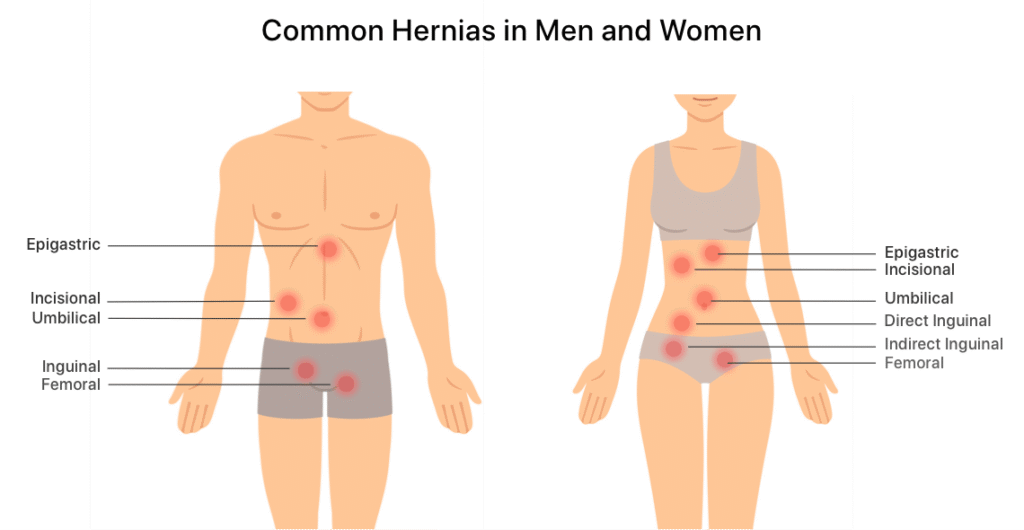
Common types of hernia

Hernias are named based on where they occur. The most common types include:

Inguinal hernia

An inguinal hernia occurs in the groin region. It is more common in men, though women can also develop it. Patients may notice a swelling in the groin that becomes more prominent on standing or coughing. Some may feel dragging pain, burning discomfort, or heaviness.

DrKumar hernia specialist treats inguinal hernias with open, laparoscopic, and advanced minimally invasive techniques, depending on the patient’s condition and suitability.

Umbilical hernia

An umbilical hernia appears near the belly button. It may be seen in children or adults. In adults, it can be associated with obesity, pregnancy, fluid in the abdomen, or repeated abdominal strain. Small umbilical hernias may look harmless, but they can enlarge over time.

Incisional hernia

An incisional hernia develops at the site of a previous surgery. The scar area may become weak, allowing tissue or intestine to bulge through. These hernias need careful assessment because previous surgery, adhesions, infection history, and abdominal wall strength can affect treatment planning.

DrKumar hernia surgeon has experience in managing incisional, recurrent, and complex abdominal wall hernias where simple repair may not be enough.

Ventral hernia

A ventral hernia appears on the front of the abdominal wall. It may occur above or below the belly button and can vary from small to very large. Some ventral hernias are straightforward, while others may require advanced reconstruction techniques.

Hiatal hernia

A hiatal hernia occurs when part of the stomach moves upward through the diaphragm into the chest cavity. It may be associated with acidity, reflux, chest discomfort, difficulty swallowing, or long-term GERD symptoms. Treatment depends on severity and associated reflux disease.

Why hernias should not be ignored

A painless hernia may still need attention. Many patients delay consultation because the swelling reduces when they lie down or because the pain is mild. However, hernias often increase in size over time. A small defect may become larger, the tissues may weaken further, and surgery may become more complex later.

The major concern is when the hernia becomes irreducible, obstructed, or strangulated. An irreducible hernia cannot be pushed back. An obstructed hernia may block the intestine and cause vomiting, abdominal swelling, constipation, and severe pain. A strangulated hernia is more serious because blood supply to the trapped tissue may be cut off. This can become a surgical emergency.

You should seek urgent medical attention if you have severe pain over the hernia, redness or tenderness, vomiting, fever, abdominal distension, inability to pass stools or gas, or a swelling that suddenly cannot be pushed back.

DrKumar hernia specialist advises patients not to wait for emergency symptoms. Planned hernia surgery is usually safer, better prepared, and more comfortable for the patient than emergency surgery.

How DrKumar diagnoses a hernia

Most hernias can be diagnosed through a clinical examination. DrKumar hernia surgeon examines the swelling, checks whether it increases on coughing or standing, assesses whether it is reducible, and evaluates the strength of the surrounding abdominal wall.

In some cases, imaging may be needed. Ultrasound, CT scan, or other investigations may be advised for obese patients, recurrent hernias, incisional hernias, complex abdominal wall defects, or cases where the diagnosis is not clear. For large or recurrent hernias, imaging helps in planning the surgical approach, mesh placement, and abdominal wall reconstruction if required.

The focus is not only on confirming the hernia. The goal is to understand the full anatomy of the defect so that the repair is strong, safe, and suitable for the patient’s long-term recovery.

Treatment options for hernia

Hernia treatment depends on the type, size, symptoms, patient age, medical fitness, and whether the hernia is simple or complex. In most adult hernias, surgery is the definitive treatment.

Open hernia surgery

Open surgery may be suitable for certain hernias, especially when the defect is small, when previous surgeries make laparoscopy difficult, or when the patient’s condition requires a direct approach. DrKumar hernia surgeon decides this after examining the patient and reviewing the details.

Laparoscopic hernia surgery

Laparoscopic hernia surgery uses small cuts and a camera to repair the hernia from inside. It may offer less pain, smaller scars, and quicker return to routine activities in suitable patients. It is commonly used for many inguinal, ventral, and selected recurrent hernias.

DrKumar laparoscopic hernia specialist at Billroth Hospitals uses minimally invasive techniques when they are appropriate for the patient, not simply because they sound advanced. The right technique is the one that gives a safe and durable repair.

Robotic hernia surgery

Robotic hernia surgery may help in selected complex cases by offering better precision, improved vision, and greater control during fine dissection and suturing. It can be useful in certain ventral hernias, recurrent hernias, and abdominal wall reconstruction cases.

DrKumar robotic hernia surgeon considers robotic surgery when it adds value to the patient’s outcome. Not every hernia needs robotic repair, but for selected patients, it may be a helpful option.

Advanced techniques for complex hernias

Some hernias need more than basic repair. Large incisional hernias, recurrent hernias, hernias with loss of domain, and weak abdominal walls may need advanced techniques such as eTEP, TAR, component separation, or abdominal wall reconstruction.

When does DrKumar use the eTEP technique? DrKumar hernia specialist may consider eTEP in selected ventral or incisional hernias where the aim is to place the mesh in a strong anatomical plane while preserving abdominal wall function. The decision depends on the defect size, location, tissue quality, previous surgery, and overall patient health.

For complex abdominal wall hernias, DrKumar hernia surgeon focuses on restoring strength, function, and shape of the abdominal wall, not merely closing the visible hole. This is especially important for patients who have already undergone one or more failed repairs.

Why choose DrKumar hernia surgeon at Billroth Hospitals?

Patients looking for hernia treatment in Chennai often search for experience, safety, surgical judgment, and long-term results. DrKumar hernia surgeon brings more than 29 years of surgical experience and works in the field of laparoscopic, robotic, hernia, and abdominal wall reconstruction surgery.

The important point is that the care is led by DrKumar. Billroth Hospitals provides the infrastructure and multidisciplinary support, but the patient’s hernia assessment, surgical planning, and treatment approach are centered around DrKumar’s experience and judgment.

DrKumar hernia specialist treats a wide range of hernias, including inguinal, umbilical, paraumbilical, ventral, incisional, recurrent, hiatal, and complex hernias. His approach is patient-centric, practical, and safety-focused. Patients are guided about the type of hernia, treatment choices, expected recovery, precautions, and warning signs in a way they can understand.

Recovery after hernia surgery

Recovery depends on the type of hernia, type of surgery, mesh placement, patient fitness, and whether the hernia was simple or complex. Many patients undergoing minimally invasive repair can walk early and return to light routine activities within a short period. Heavy lifting, gym workouts, and strenuous work usually need to be avoided for a period advised by the surgeon.

DrKumar hernia surgeon gives individualized recovery instructions because no two patients are exactly alike. A young patient with a small laparoscopic inguinal hernia repair may recover differently from a patient undergoing abdominal wall reconstruction for a large incisional hernia.

Follow-up is also important. It allows the surgeon to check wound healing, pain control, abdominal wall support, and return-to-work readiness.

Can hernia come back after surgery?

Hernia recurrence is possible, especially if the original hernia was large, complex, infected, previously repaired, or associated with risk factors such as obesity, chronic cough, constipation, diabetes, smoking, or heavy strain. However, careful surgical planning, proper technique, good mesh placement, and patient compliance with recovery advice can reduce the risk.

DrKumar hernia specialist pays attention to both the surgery and the factors that may affect long-term success. Patients may be advised to manage weight, treat chronic cough, control constipation, stop smoking, and avoid early heavy lifting after surgery.

When should you consult DrKumar hernia specialist?

You should consult DrKumar hernia surgeon if you notice a swelling in the groin, belly button, abdomen, or previous surgery scar. You should also seek medical advice if you feel dragging pain, heaviness, discomfort while coughing, swelling that increases on standing, or a bulge that reduces while lying down.

Early consultation does not always mean immediate surgery. It means you get clarity. DrKumar hernia specialist can tell you what type of hernia you have, whether it needs surgery, how soon it should be repaired, and which technique may suit you best.

A hernia may be common, but the right treatment should be personal. With timely diagnosis and expert surgical care from DrKumar at Billroth Hospitals, patients can make informed decisions and avoid unnecessary delay.

Frequently Asked Questions

Can a hernia heal without surgery?

In adults, a true hernia usually does not heal on its own
because the muscle defect remains open. Belts or supports may give temporary comfort in selected cases, but they
do not close the hernia permanently. DrKumar hernia surgeon can assess whether surgery is needed and when it
should be planned.

Is every hernia dangerous?

Not every hernia is immediately dangerous, but any hernia can
become larger or complicated over time. Pain, sudden swelling, vomiting, redness, fever, or inability to push
the hernia back are warning signs. DrKumar hernia specialist recommends early evaluation to prevent emergency
situations.

Which surgery is best for hernia?

There is no single best surgery for all hernias. Open,
laparoscopic, robotic, eTEP, TAR, and abdominal wall reconstruction techniques all have their role. DrKumar
hernia surgeon chooses the technique based on the hernia type, size, complexity, previous surgeries, and patient
fitness.

How long does it take to recover after hernia surgery?

Recovery varies from patient to
patient. Many patients return to light routine activities within a few days after minimally invasive surgery,
while complex hernia repairs may need a longer recovery period. DrKumar hernia specialist provides personalized
recovery advice after surgery.

Why should I consult DrKumar for hernia treatment in Chennai?

DrKumar hernia surgeon has
extensive experience in treating simple, recurrent, and complex hernias using open, laparoscopic, robotic, and
advanced abdominal wall reconstruction techniques. At Billroth Hospitals, Chennai, patients receive DrKumar-led
surgical care with the support of modern hospital facilities.

Laparoscopic Hernia Surgery

Benefits of laparoscopic hernia surgery include:

Small incision 

Minimal pain 

Less scarring 

Faster recovery 

Shorter hospital stay

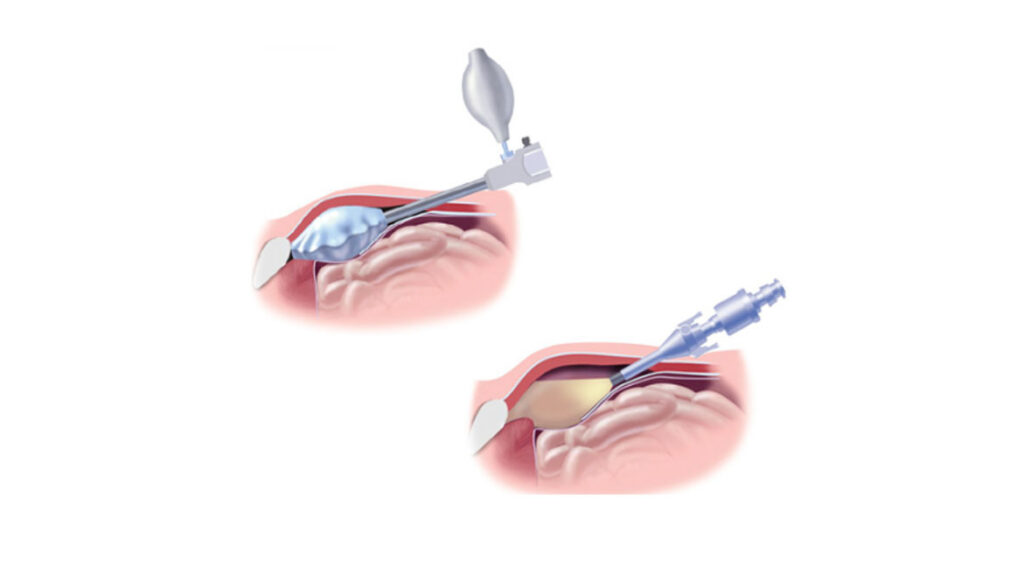
Procedure  of laparoscopic hernia surgery:

A surgical procedure is performed under the influence of general anaesthesia. 

It involves the use of a laparoscope, which is a long flexible instrument that can be inserted inside the body by making a small incision near the belly button. 

Once the instrument is inside, it can be used for a detailed examination of the concerned area. 

A surgical camera that is used during the procedure helps to generate the images on an enlarged screen

The abdominal cavity is filled with carbon dioxide gas, to inflate it for better vision. 

This is followed by carefully cutting the peritoneum for exposing the underlying abdominal wall. 

A small mesh is then used to cover the defective part of the abdominal wall and prevent further protrusion.

Best Hospital for Hernia Surgery in Chennai

Living with a hernia can slowly affect everyday comfort. Simple activities like walking, lifting objects, coughing, or even standing may become painful. At first, many people ignore the symptoms. However, delaying treatment can sometimes lead to complications that become difficult to manage.

Choosing the right doctor and treatment centre matters greatly when dealing with this condition. Patients often search for the best hospital for hernia surgery in Chennai, but the real decision goes beyond infrastructure alone. The expertise of the surgeon plays the biggest role in achieving successful results.

When it comes to advanced hernia care, DrKumar hernia surgeon at Billroth Hospitals, is trusted for his expertise, patient-focused approach, and advanced surgical techniques. From simple hernia repair to complex abdominal wall reconstruction, DrKumar hernia specialist, focuses on safe, effective, and minimally invasive treatment plans tailored to each patient.

At Billroth Hospitals, patients receive advanced surgical support while benefiting from the expertise of DrKumar, known for managing different forms of hernias with precision and personalised care.

Understanding Hernia And Why Timely Treatment Matters

A hernia develops when an internal organ or fatty tissue pushes through a weak area in the surrounding muscle or tissue wall. While some hernias begin as small swellings, they may gradually increase in size and cause discomfort.

Some common symptoms include:

  • A visible lump or swelling
  • Pain during coughing or lifting
  • Burning or aching sensation
  • Pressure in the abdomen or groin
  • Discomfort after prolonged standing

Although some hernias remain painless initially, they rarely disappear without medical treatment. In some cases, untreated hernias may become trapped or strangulated, causing severe pain and restricted blood supply.

This is why DrKumar hernia specialist, recommends early diagnosis and treatment whenever symptoms begin interfering with daily activities.

Why Do Patients Search for The Best Hospital for Hernia Surgery in Chennai?

Patients often feel overwhelmed while choosing treatment options. Chennai offers many healthcare facilities, yet patients usually look for three important things:

  • An experienced hernia specialist
  • Advanced surgical technology
  • Personalised patient care

The success of hernia surgery depends heavily on surgical expertise. Even with advanced facilities, outcomes largely rely on the surgeon’s understanding of abdominal wall anatomy, mesh placement, recurrence prevention, and minimally invasive techniques. This is where DrKumar hernia surgeon, stands apart.

Patients seeking the best hernia surgeon in Chennai often choose treatment under him because of his experience in treating both routine and complicated hernia cases.

At Billroth Hospitals, the focus remains on supporting DrKumar hernia specialist, with advanced operating systems and specialised surgical assistance.

Types of Hernias Treated by DrKumar, Hernia Surgeon

Different hernias require different treatment methods. Choosing the right surgical technique depends on the location, severity, recurrence history, and overall patient health.

Inguinal Hernia

This remains one of the most common hernia types, especially in men. It happens when tissue pushes through the groin muscles.

Patients often notice:

  • Groin swelling
  • Pain during movement
  • Heaviness in the lower abdomen

DrKumar hernia doctor, carefully evaluates whether laparoscopic or robotic repair offers the best results.

Umbilical Hernia

This develops near the belly button and affects both adults and children. While smaller hernias may remain painless initially, larger ones can become uncomfortable over time.

DrKumar hernia specialis,t uses minimally invasive methods whenever suitable for faster recovery.

Incisional Hernia

This occurs after previous abdominal surgery. Weakness at the surgical scar may create openings through which tissue protrudes.

These hernias can become large and complex. Many patients with failed prior repairs seek treatment from DrKumar hernia surgeon, because of his expertise in advanced abdominal wall reconstruction.

Femoral Hernia

Though less common, femoral hernias require careful evaluation because of their higher risk of complications.

Ventral Hernia

This occurs in weakened abdominal wall areas and may vary greatly in size.

Treatment plans by DrKumar hernia specialist, depend on imaging results, symptoms, and long-term recovery goals.

Why Does Expertise Matter More Than Infrastructure Alone?

Many patients assume hospital size determines surgical quality. However, experienced surgical decision-making often matters far more.

A skilled hernia surgeon understands:

  • Proper mesh positioning
  • Hernia defect closure methods
  • Tissue preservation techniques
  • Recurrence prevention strategies
  • Pain reduction approaches

This is why patients searching for the best hospital for hernia surgery in Chennai increasingly prioritise surgeon expertise.

At Billroth Hospitals, patients benefit from advanced facilities while receiving treatment under DrKumar hernia specialist, who focuses on precision-driven hernia repair.

Advanced Hernia Surgery Techniques Used by DrKumar, Hernia Specialist

Modern hernia surgery has changed significantly over the years. Traditional open surgery is no longer the only option. Today, DrKumar hernia surgeon, uses advanced minimally invasive approaches whenever suitable.

Laparoscopic Hernia Surgery

Laparoscopic surgery involves small incisions and specialised instruments. Compared to conventional methods, this technique often leads to:

  • Smaller scars
  • Faster recovery
  • Reduced postoperative discomfort
  • Shorter hospital stay

For suitable patients, DrKumar hernia docto,r recommends laparoscopic repair to improve recovery outcomes.

When Does DrKumar Use The eTEP Technique?

The Enhanced View Totally Extraperitoneal repair, known as eTEP, has transformed modern hernia surgery. When does DrKumar hernia surgeon, use the eTEP technique?

This approach is often considered for:

  • Ventral hernias
  • Incisional hernias
  • Complex abdominal wall defects
  • Recurrent hernias

The technique allows mesh placement in a more natural anatomical plane while reducing internal complications.

Patients with complex cases often consult DrKumar hernia specialis,t because of his expertise in selecting suitable advanced techniques rather than using one standard approach for every patient.

Robotic Hernia Surgery And Advanced Repair

Robotic surgery offers improved precision in selected hernia cases. When does DrKumar hernia specialist, recommend robotic hernia surgery?

This approach may benefit:

  • Complex hernia repairs
  • Recurrent hernias
  • Obese patients
  • Patients requiring abdominal wall reconstruction

Robotic-assisted surgery allows better visualisation and greater surgical precision.

However, DrKumar hernia surgeon, carefully evaluates each case before recommending robotic repair because not every patient requires the same approach.

When Does DrKumar Recommend Abdominal Wall Reconstruction (AWR)?

Large or recurrent hernias sometimes weaken the abdominal wall significantly. In such situations, simple mesh placement may not be enough.

So, when does DrKumar hernia specialist, recommend abdominal wall reconstruction?

AWR may become necessary when patients experience:

  • Large ventral hernias
  • Multiple failed surgeries
  • Muscle separation
  • Complex abdominal wall defects

The aim is not simply to repair the hernia but to rebuild abdominal wall strength and function.

Patients looking for advanced hernia treatment in Chennai often consult DrKumar hernia doctor, for these specialised procedures.

Signs You Should Consult A Hernia Specialist in Chennai

Many patients postpone consultation because symptoms appear manageable. However, delaying treatment can increase complications. So, consult DrKumar hernia specialist, if you notice:

  • Persistent swelling
  • Increasing pain
  • Difficulty standing for long periods
  • Hernia enlargement
  • Nausea with severe pain
  • Redness around the swelling

Early intervention often results in simpler procedures and smoother recovery.

What Makes DrKumar Hernia Surgeon A Preferred Choice?

Patients often seek confidence before surgery. They want clarity, trust, and reassurance. Several factors make DrKumar hernia specialist, a preferred choice:

Expertise in Complex Hernia Cases

From routine hernias to advanced abdominal wall reconstruction, DrKumar hernia surgeon, manages varying complexities with customised planning.

Focus on Minimally Invasive Techniques

Whenever suitable, DrKumar hernia doctor, prioritises laparoscopic and robotic approaches for reduced discomfort and quicker healing.

Personalised Surgical Planning

No two hernia patients experience identical conditions. Therefore, treatment planning always depends on:

  • Hernia type
  • Size of defect
  • Previous surgeries
  • Medical history
  • Lifestyle requirements

Strong Patient Communication

Understanding surgery reduces anxiety. Patients receive clear explanations regarding procedure options, expected recovery, and postoperative care.

Recovery after Hernia Surgery

Recovery differs depending on surgical type and overall health.

Patients undergoing minimally invasive surgery often recover faster than those undergoing conventional open procedures. Still, DrKumar hernia specialist, recommends following proper postoperative instructions.

Patients are generally advised to:

  • Avoid heavy lifting initially
  • Walk regularly for circulation
  • Follow medication guidance
  • Attend scheduled follow-ups
  • Avoid unnecessary abdominal strain

Recovery becomes smoother when patients closely follow medical advice.

Choosing The Best Hernia Surgeon in Chennai Matters

When choosing treatment for a hernia, the surgeon’s expertise should remain the highest priority. Successful outcomes depend on proper diagnosis, precise surgical planning, and advanced repair techniques.

Patients searching for the best hospital for hernia surgery in Chennai often find reassurance in receiving treatment under DrKumar hernia surgeon at Billroth Hospitals. Rather than focusing only on hospital infrastructure, choosing a trusted specialist ensures better decision-making throughout treatment.

Whether dealing with an inguinal hernia, ventral hernia, recurrent hernia, or complex abdominal wall defect, DrKumar hernia specialis,t provides patient-centred care with advanced surgical expertise.

Frequently Asked Questions

Who is the best hernia surgeon in Chennai?

Patients often choose DrKumar hernia surge, on for advanced hernia treatment, minimally invasive procedures, and
complex abdominal wall reconstruction.

What is the recovery time after hernia surgery?

Recovery varies by surgical type and patient health. Many minimally invasive procedures allow faster recovery.

Does every hernia require surgery?

Most hernias do not heal naturally. DrKumar hernia specialist, evaluates whether surgery is immediately necessary.

Is laparoscopic hernia surgery better than open surgery?

The ideal approach depends on the patient’s condition. DrKumar hernia doctor, recommends the most suitable option
after evaluation.

When should someone see a hernia specialist in Chennai?

Persistent swelling, pain, increasing lump size, or discomfort during movement should not be ignored.

What is an Incisional hernia?

An incisional hernia is a bulge that develops near or through the scar of a previous abdominal surgery. It can appear a few months after surgery, or it may show up many years later. For many patients, the first sign is a swelling near an old surgical cut that becomes more visible while coughing, standing, lifting, or straining.

Although the word hernia can sound frightening, an incisional hernia is a condition that can be treated effectively when diagnosed at the right time. The important step is to understand what is happening inside the abdominal wall and consult an experienced hernia surgeon before the swelling becomes larger or painful.

DrKumar, hernia surgeon at Billroth Hospitals, evaluates incisional hernias with a patient-focused approach. Instead of looking only at the visible bulge, DrKumar hernia specialist studies the size of the defect, the strength of the abdominal wall, previous surgery details, body weight, symptoms, and the risk of recurrence. This helps in choosing the right treatment plan for each patient.

Understanding Incisional Hernia in Simple Words

The abdominal wall is made of layers of muscle and tissue that protect the organs inside the abdomen. During abdominal surgery, these layers are cut and later closed. In most people, the wound heals strongly. In some patients, the healed area remains weak. Over time, pressure from inside the abdomen can push fat, intestine, or tissue through that weak area. This creates a visible or felt bulge called an incisional hernia.

This type of hernia is different from a naturally occurring hernia because it develops at the site of a previous surgical incision. It may happen after surgeries such as appendix surgery, gallbladder surgery, bowel surgery, caesarean section, hysterectomy, kidney surgery, liver surgery, or other abdominal operations.

DrKumar hernia surgeon often explains to patients that an incisional hernia is not just a skin swelling. It is a weakness in the deeper abdominal wall. That is why ignoring it or relying only on belts for a long time may not solve the actual problem.

Why Does an Incisional Hernia Occur?

An incisional hernia develops when the previous surgical wound does not heal with enough strength or becomes weak over time. Several factors can increase this risk.

A wound infection after the first surgery can affect healing and weaken the scar. Being overweight can increase pressure inside the abdomen and place stress on the surgical site. Chronic cough, constipation, repeated straining, heavy lifting, uncontrolled diabetes, smoking, poor nutrition, and multiple previous abdominal surgeries can also contribute.

Sometimes, the original surgery may have been an emergency procedure, where the tissues were already inflamed or infected. In such cases, healing may not be as strong as expected. Some patients also have naturally weaker tissue strength, which makes them more prone to hernias.

When DrKumar hernia specialist assesses a patient, he looks at these risk factors carefully. This matters because treating the hernia is not only about closing the gap. It is also about reducing the chance of the hernia coming back.

Common Symptoms of Incisional Hernia

The symptoms of incisional hernia can vary from person to person. Some patients notice only a small swelling. Others may feel pain, heaviness, pulling, or discomfort near the old surgical scar.

Common symptoms include:

A bulge near a previous surgery scar

Swelling that becomes more visible while coughing or standing

Pain or discomfort during lifting, bending, or walking

A dragging sensation in the abdomen

A feeling of pressure at the scar site

Increase in swelling over time

Occasional bloating or digestive discomfort

Some incisional hernias reduce or go back inside when the person lies down. Others remain outside and become harder to push back. If the hernia becomes painful, red, tense, or associated with vomiting, constipation, abdominal distension, or fever, it may need urgent medical attention.

DrKumar hernia surgeon advises patients not to wait until severe pain develops. Early evaluation often gives more treatment choices and may make surgery easier and safer.

Is Incisional Hernia Dangerous?

Many incisional hernias grow slowly and may not cause serious problems in the beginning. However, they can enlarge over time. A small weakness in the abdominal wall may become a bigger defect if the pressure inside the abdomen keeps acting on it.

The main concern is that a part of the intestine or tissue can get trapped in the hernia. This is called incarceration. If the blood supply to the trapped intestine is affected, it becomes strangulation, which is a surgical emergency.

Warning signs include sudden severe pain, vomiting, inability to pass stool or gas, swelling that cannot be pushed back, redness over the bulge, fever, or increasing abdominal bloating. These symptoms should not be ignored.

A planned consultation with DrKumar hernia specialist is always better than waiting for an emergency. Planned hernia repair allows better preparation, proper imaging if needed, fitness optimization, and a more controlled surgical approach.

How is Incisional Hernia Diagnosed?

In many cases, an incisional hernia can be diagnosed through clinical examination. DrKumar hernia surgeon may ask the patient to stand, cough, or gently strain to see how the bulge appears. The scar is examined, and the size and position of the hernia are assessed.

For larger, recurrent, complex, or unclear hernias, imaging may be advised. An ultrasound can help in simple cases. A CT scan may be useful when the defect is large, when there are multiple defects, or when abdominal wall reconstruction is being considered.

The purpose of diagnosis is not only to confirm that a hernia is present. It is also to understand the hernia properly. The surgeon needs to know the defect size, contents of the hernia, muscle condition, previous mesh if any, and whether the hernia is simple or complex.

This detailed planning is one reason patients consult DrKumar hernia specialist for incisional hernia treatment. A well-planned repair can improve comfort, abdominal wall function, and long-term results.

Can an Incisional Hernia Heal Without Surgery?

An incisional hernia does not usually heal on its own because it is a physical gap or weakness in the abdominal wall. Medicines may reduce pain or acidity if present, but they cannot close the hernia defect. A hernia belt may give temporary support in selected patients, but it does not repair the weakness.

In patients who are unfit for surgery or have major medical risks, non-surgical support may be used temporarily. Weight control, cough treatment, constipation management, and avoiding heavy lifting may help reduce symptoms. Still, these measures do not cure the hernia.

For most suitable patients, surgery is the definitive treatment. DrKumar hernia surgeon decides the timing and type of surgery based on the size of the hernia, symptoms, patient health, previous operations, and risk factors.

Treatment Options for Incisional Hernia

Incisional hernia surgery aims to return the protruding tissue to its proper place and strengthen the weak abdominal wall. In many cases, a surgical mesh is used to support the repair and reduce the risk of recurrence.

The main surgical approaches include open hernia repair, laparoscopic hernia repair, robotic hernia repair, and abdominal wall reconstruction for complex cases.

Open Incisional Hernia Repair

In open surgery, the surgeon makes an incision over or near the hernia, releases the hernia sac, places the contents back inside, and repairs the defect. Mesh may be placed in a suitable layer to strengthen the abdominal wall.

Open repair may be preferred for very large hernias, complex hernias, recurrent hernias, hernias with excess skin, or cases where previous surgeries have created dense adhesions.

DrKumar hernia specialist may recommend open repair when it offers better control, stronger reconstruction, or safer handling of complex tissue planes.

Laparoscopic Incisional Hernia Repair

Laparoscopic surgery uses small cuts and a camera to repair the hernia from inside the abdomen. It may cause less wound pain, smaller scars, and quicker recovery in selected cases.

This approach may be suitable for certain medium-sized hernias, especially when the abdominal wall condition allows safe mesh placement and fixation. However, not every incisional hernia is ideal for laparoscopy.

DrKumar hernia surgeon chooses laparoscopic repair only after assessing whether it is safe and appropriate for the patient.

Robotic Incisional Hernia Repair

Robotic hernia repair is an advanced minimally invasive option that allows precise suturing, better vision, and controlled movement inside the body. It can be useful in selected ventral and incisional hernias where layered repair is needed.

For some patients, robotic surgery may help close the defect properly and place the mesh in a preferred anatomical plane. This can reduce the need for large cuts in selected cases.

When DrKumar hernia specialist uses robotic repair, the decision is based on patient benefit rather than technology alone. The right method is always the one that offers safe repair, good strength, and lower recurrence risk.

Abdominal Wall Reconstruction

Some incisional hernias are large, recurrent, or complex. The abdominal muscles may be pulled apart, and simple closure may not be enough. In such cases, abdominal wall reconstruction may be needed.

This surgery aims to restore the structure and function of the abdominal wall. It may involve muscle release techniques, mesh reinforcement, and careful reconstruction of the midline.

DrKumar hernia surgeon may consider abdominal wall reconstruction for patients with large defects, multiple failed repairs, loss of abdominal domain, or significant abdominal wall weakness.

When Does DrKumar Use Advanced Techniques Like eTEP?

The eTEP technique, also known as extended totally extraperitoneal repair, is a modern approach used in selected hernia cases. It allows the surgeon to work in the abdominal wall layers without entering the main abdominal cavity in the same way as some other techniques.

When does DrKumar use the eTEP technique? DrKumar hernia specialist may consider eTEP when the hernia size, location, muscle condition, and patient anatomy are suitable. It can be useful in selected ventral or incisional hernias where the goal is to close the defect and place mesh in a well-supported plane.

However, eTEP is not for every patient. Some hernias need open repair, some need robotic repair, and some need abdominal wall reconstruction. DrKumar hernia surgeon focuses on choosing the right operation for the patient rather than using one technique for everyone.

What Happens if Incisional Hernia is Left Untreated?

A small incisional hernia may remain stable for some time, but many hernias gradually enlarge. As the defect grows, repair may become more difficult. Larger hernias can affect posture, confidence, daily movement, digestion, and quality of life.

Delaying treatment may also increase the risk of complications such as incarceration or obstruction. In emergency situations, the patient may not have enough time for proper fitness optimization, and the surgery may become more complex.

This is why DrKumar hernia specialist encourages early consultation. Even if surgery is not needed immediately, a proper assessment helps the patient understand the condition and plan the next step.

Recovery After Incisional Hernia Surgery

Recovery depends on the size of the hernia, type of surgery, patient health, and whether the repair was simple or complex. Some patients return to light activity within a few days, while larger repairs may need a longer recovery period.

Patients are usually advised to walk early, avoid heavy lifting, support the abdomen while coughing, manage constipation, eat a protein-rich diet, and attend follow-up visits. Weight control, diabetes control, and stopping smoking can support healing and reduce recurrence risk.

DrKumar hernia surgeon gives recovery guidance based on the actual repair performed. This personalized advice is important because recovery after a small laparoscopic repair is different from recovery after a large abdominal wall reconstruction.

Why Choose DrKumar Hernia Surgeon for Incisional Hernia Treatment?

Incisional hernia treatment needs planning, experience, and the right surgical judgment. The best repair is not always the most advanced-looking procedure. It is the procedure that suits the patient’s hernia, body condition, and long-term needs.

DrKumar hernia surgeon at Billroth Hospitals provides care for simple, large, recurrent, and complex incisional hernias. Patients are assessed carefully, and treatment options are explained in clear language. DrKumar hernia specialist focuses on safe repair, abdominal wall strength, symptom relief, cosmetic consideration where possible, and reducing recurrence risk.

For patients worried about a swelling near an old surgical scar, the first step is a consultation. Early diagnosis can prevent complications and help plan treatment at the right time.

FAQs on Incisional Hernia

What is the main cause of an incisional hernia?

The main cause is weakness at the site of a previous abdominal surgery scar. This weakness may happen due to poor wound healing, infection, obesity, coughing, constipation, heavy lifting, diabetes, smoking, or repeated abdominal surgeries.

Can an incisional hernia become serious?

Yes, it can become serious if intestine or tissue gets trapped inside the hernia. Sudden pain, vomiting, redness, fever, or swelling that cannot be pushed back should be treated as warning signs. DrKumar hernia surgeon recommends early evaluation before complications occur.

Is surgery always required for incisional hernia?

Most incisional hernias need surgery for a permanent repair because the abdominal wall defect does not close on its own. In some high-risk patients, temporary non-surgical support may be advised, but this does not cure the hernia.

Which surgery is best for incisional hernia?

There is no single best surgery for every patient. Open, laparoscopic, robotic, eTEP, or abdominal wall reconstruction may be chosen depending on the hernia size, location, previous surgeries, symptoms, and patient health. DrKumar hernia specialist selects the technique after proper evaluation.

Can an incisional hernia come back after surgery?

Yes, recurrence can happen, especially in large or complex hernias, poor tissue quality, obesity, smoking, uncontrolled diabetes, or infection. Proper surgical planning, mesh reinforcement when suitable, and good post-operative care can help reduce this risk.

Call Now Button